
Beautiful Plants For Your Interior
Beautiful Plants For Your Interior
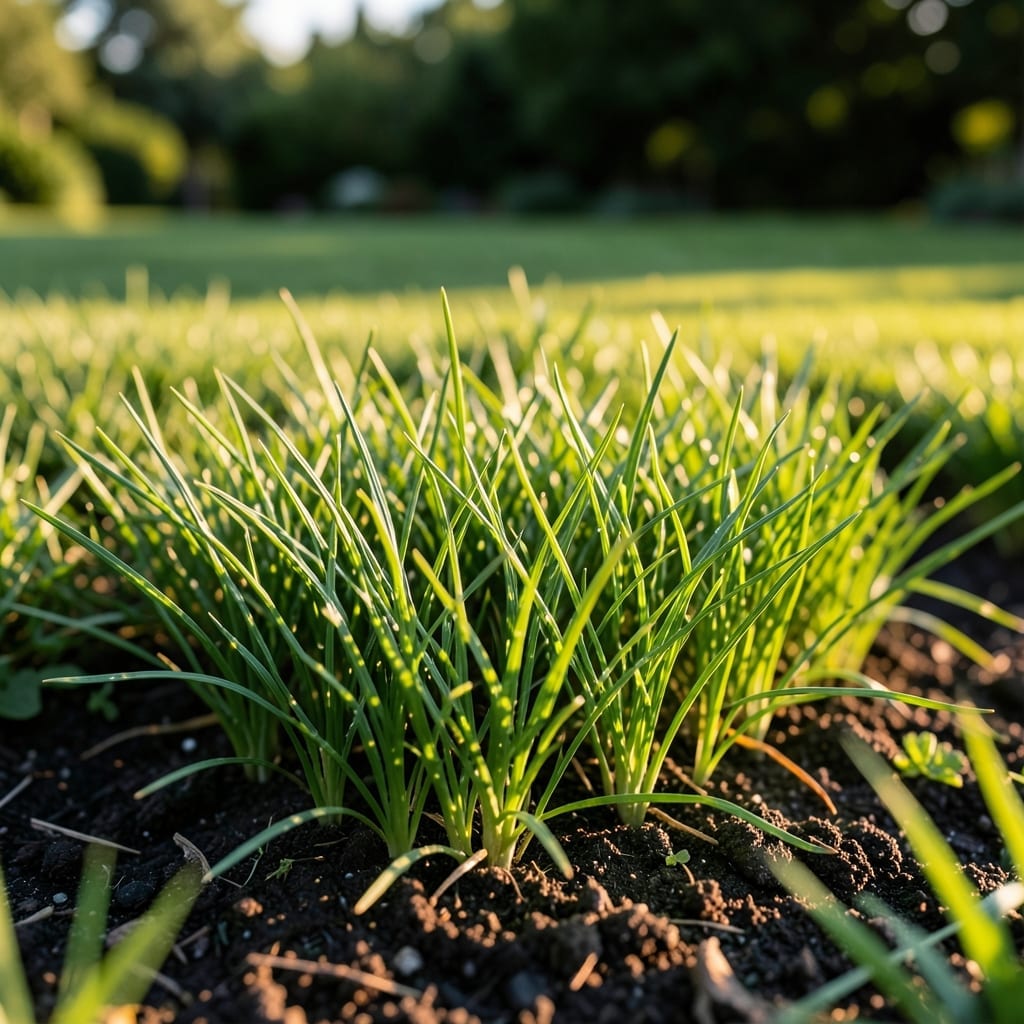
White patches appearing overnight ruined my weekend plans. I traced the problem to fungal spores thriving in damp, shaded areas of my lawn.
The solution starts with better airflow and sunlight. Simple fixes like aerating compacted soil and adjusting watering schedules make a huge difference within 2-3 weeks.
Prevention is easier than cure. Mow higher, rake up clippings, and avoid evening watering to stop spores from spreading.
These changes transformed my lawn from spotty to vibrant green. Works for most cool-season grasses and common fungal issues.
Understanding the root causes of white spots on your lawn helps you tackle them effectively. Here are the most common culprits:
Fungi like Sclerotinia homoeocarpa (dollar spot) or Ophiosphaerella species thrive in warm, humid conditions. They create circular white or tan patches, often with a dark border. Overwatering, poor drainage, or high nitrogen levels can encourage fungal growth.
Overwatering or poor drainage saturates the soil, suffocating grass roots and promoting fungal or bacterial growth. Shallow watering also leads to weak root systems, making grass more susceptible to stress and disease.
Grubs, chinch bugs, and other pests feed on grass roots or blades, causing white or yellow patches. Check for chewed roots or visible insects in the soil. These pests often target stressed or poorly maintained lawns.
A lack of essential nutrients like iron or nitrogen can lead to discoloration. White spots may appear if the soil pH is imbalanced, preventing grass from absorbing nutrients properly. A soil test can confirm deficiencies.
Extreme heat, drought, or cold snaps can weaken grass, making it more prone to disease or discoloration. Foot traffic or heavy equipment can also compact soil, restricting root growth and water absorption.
Dealing with white spots on your grass? Here’s how to tackle each common cause with simple, effective solutions.
Apply a broad-spectrum fungicide labeled for lawn diseases like powdery mildew or dollar spot. Follow the instructions for mixing and application rates. Water the lawn lightly before and after treatment to help the product penetrate. Prevention tip: Avoid overwatering and improve air circulation by trimming nearby bushes.
If grubs or chinch bugs are the culprit, apply a lawn-safe insecticide or introduce beneficial nematodes to the soil. Target early morning or late evening when pests are most active. Prevention tip: Keep your lawn healthy with regular mowing and aeration to discourage pest colonies.
Test your soil to confirm deficiencies (e.g., nitrogen or iron). Use a balanced fertilizer or a targeted amendment to restore nutrients. Water deeply after application to help the soil absorb the treatment. Prevention tip: Fertilize seasonally and avoid over-application, which can burn grass.
Reduce watering frequency and ensure your lawn has proper drainage. Water early in the day to allow grass to dry before evening. For compacted soil, aerate to improve water absorption. Prevention tip: Use a rain gauge to monitor natural rainfall and adjust irrigation accordingly.
If the spots are due to heat stress or herbicide damage, rinse the area thoroughly with water to dilute chemicals. For heat stress, water deeply during cool hours and avoid heavy foot traffic. Prevention tip: Apply a light layer of compost to protect roots and retain moisture.
Check for circular patterns with dark borders for fungus. Pests often leave irregular patches with visible insects or chewed roots. A simple soil test can confirm grubs.
Yes! Too much water suffocates roots and promotes fungal growth. Aim for 1-1.5 inches per week, watering deeply but infrequently in the early morning.
Fungal spores and pests multiply quickly, turning small patches into large dead zones within 1-2 weeks. Act at the first sign.
Most broad-spectrum fungicides work on common lawn grasses, but always check the label. Test on a small area first to avoid damaging sensitive varieties.