
Beautiful Plants For Your Interior
Beautiful Plants For Your Interior
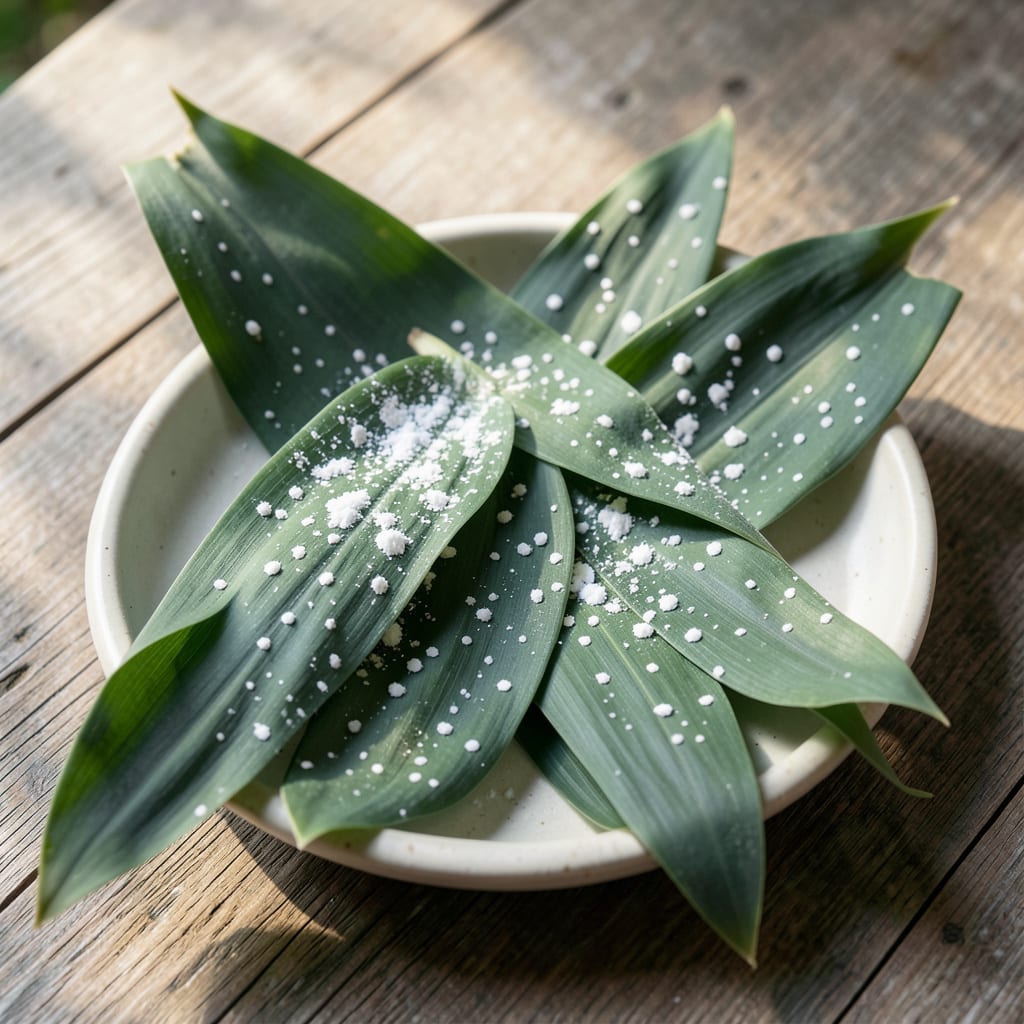
White spots on your daylilies aren’t just ugly—they’re a warning sign. I’ve battled this in my own garden and learned that catching it early saves the whole plant.
The usual suspects are fungal infections like powdery mildew or rust, but spider mites and thrips can leave similar marks. Each leaves a different pattern, and the treatment changes completely based on what you’re dealing with.
With the right approach, you can clear up current spots in 7-14 days and prevent new ones from forming. The solutions are simple: better air flow, targeted sprays, and a little vigilance.
Works for all daylily varieties, whether they’re in full sun or partial shade. Let’s figure out what’s happening.
White spots on daylily leaves can stem from several underlying issues, often tied to environmental stress, pests, or disease. Identifying the root cause is key to effective treatment.
Fungal pathogens like Puccinia hemerocallidis (rust) or Erysiphe spp. (powdery mildew) thrive in damp, poorly ventilated conditions. Rust appears as orange-yellow pustules that rupture into white spores, while powdery mildew creates a dusty white coating. Overhead watering and high humidity accelerate fungal growth.
Sap-sucking insects such as aphids, spider mites, or whiteflies leave behind sticky honeydew, which attracts sooty mold—a white, powdery fungus. Spider mites, in particular, cause stippling (tiny white or yellow specks) as they pierce leaf cells. Inspect the undersides of leaves for webbing or clusters of pests.
Excessive sunlight or heat can scorch daylily leaves, creating bleached white patches. Conversely, cold drafts or sudden temperature drops may trigger chlorosis (loss of chlorophyll), leading to pale or white areas. Poor soil drainage can also cause nutrient deficiencies, manifesting as discolored spots.
Herbicide drift, overuse of fertilizers, or even hard water deposits from sprinklers can cause localized white spotting. Physical damage, like hail or rough handling, may also create entry points for secondary infections that appear as white lesions.
Daylilies are tough, but white spots on their leaves can signal trouble. Here’s how to tackle the most common causes and restore your plants to full health.
Fungal issues like powdery mildew or leaf spot thrive in damp, crowded conditions. Remove affected leaves immediately to prevent spreading. Thin out dense foliage to boost airflow, and water at the base in the morning so leaves dry quickly. Apply a copper-based fungicide or neem oil weekly until the spots disappear. 💡 Prevention tip: Space plants 18–24 inches apart and avoid overhead watering.
Spider mites, aphids, or thrips can leave behind white stippling or spots. Blast them off with a strong stream of water, then apply insecticidal soap or horticultural oil every 5–7 days until gone. For severe cases, introduce beneficial insects like ladybugs. 🎯 Prevention tip: Inspect leaves weekly, especially undersides, and keep the garden free of debris where pests hide.
Intense sunlight can bleach leaves, creating white patches. Move potted daylilies to partial shade or add a shade cloth during peak afternoon hours. If planted in the ground, mulch around the base to retain moisture. 🌞 Prevention tip: Gradually acclimate plants to brighter light to avoid shock.
Hard water or foliar sprays can leave white mineral residue. Rinse leaves with distilled water to remove buildup. Switch to rainwater or filtered water for irrigation if possible. 💧 Prevention tip: Use a water softener or collect rainwater to avoid future deposits.
Fungal spots often appear as powdery coatings or circular lesions, while pests leave tiny specks or webbing. Check undersides of leaves for bugs or sticky residue to confirm pests.
Yes, fungal spores and pests can spread quickly in crowded gardens. Isolate affected daylilies and treat immediately to prevent contamination of nearby plants.
A 1:10 baking soda-water spray works for mild fungal issues. For pests, dish soap mixed with water can help, but severe cases need fungicides or insecticides.
With proper treatment, new growth should be spot-free in 2-3 weeks. Remove badly damaged leaves to speed up recovery and improve appearance.
