
Beautiful Plants For Your Interior
Beautiful Plants For Your Interior
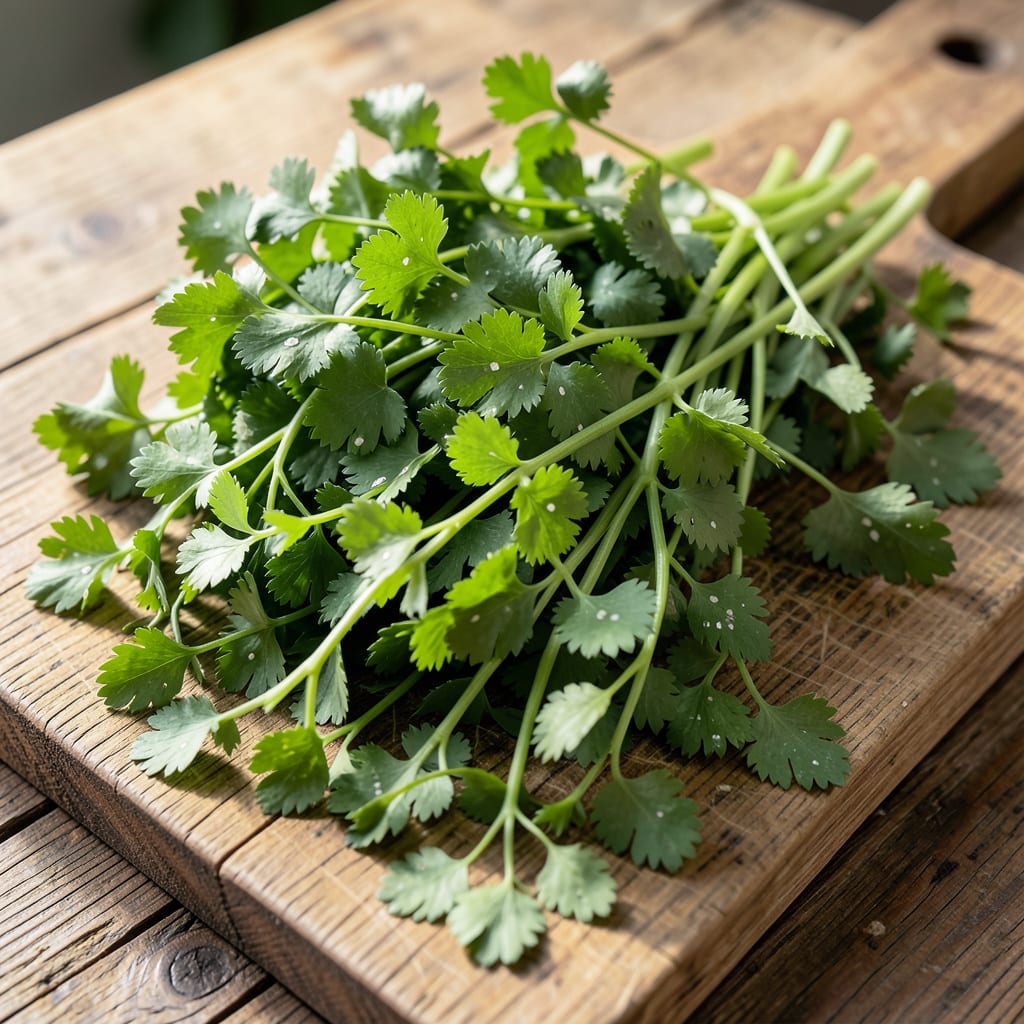
White spots on coriander leaves always mean trouble. I’ve seen this issue wipe out entire patches overnight if left unchecked.
The usual suspects are fungal infections, tiny pests, or environmental stress like too much water or sun. Each cause leaves distinct patterns, so identification is half the battle won.
Natural remedies like neem oil, baking soda sprays, or simply improving airflow often fix the problem without harsh chemicals. Prevention starts with proper spacing and consistent care.
Spot the signs early, treat fast, and your coriander will bounce back stronger than before.
White spots on coriander leaves can be alarming, but they usually stem from a few common issues. Understanding the root cause is the first step to fixing the problem and restoring your plant’s health. Below are the most likely culprits, explained in simple terms.
Fungi like Powdery Mildew and Downy Mildew thrive in humid, poorly ventilated environments. Powdery mildew appears as a white, powdery coating on the leaves, while downy mildew causes yellowish-white spots on the upper leaf surface. These fungi spread quickly in damp conditions, especially when plants are overcrowded or lack airflow.
Tiny pests like whiteflies, aphids, and spider mites often leave behind white residues or spots. Whiteflies, for instance, secrete a sticky substance called honeydew, which can develop into white, moldy patches. Aphids may cause stippling or white specks as they feed on plant sap.
Excess water can lead to root rot or create a breeding ground for fungi. When coriander roots sit in soggy soil, the plant becomes stressed, and white fungal spots may appear on the leaves. Poor drainage exacerbates this by trapping moisture around the roots.
Extreme temperatures, sudden temperature swings, or excessive sunlight can stress coriander plants, making them more susceptible to diseases and pests. White spots may develop as a secondary symptom of this stress, often accompanied by wilting or yellowing leaves.
A lack of essential nutrients like calcium or magnesium can cause white or yellow spots on coriander leaves. These deficiencies weaken the plant, making it easier for infections or pests to take hold.
Dealing with white spots on your coriander leaves? Here are practical solutions tailored to the most common causes, along with prevention tips to keep your plants healthy.
If the spots look like a dusty white coating, powdery mildew is likely the culprit. Reduce humidity by spacing plants farther apart to improve airflow. Water at the base of the plant (not the leaves) and do it early in the day so foliage dries quickly. Spray affected leaves with a mix of 1 teaspoon baking soda + 1 quart water + a few drops of dish soap. Repeat every 5–7 days until the issue clears.
Prevention tip: 💡 Avoid overcrowding and ensure good ventilation in your growing area.
White spots caused by pests like aphids or spider mites often appear as tiny dots or stippling. Blast them off with a strong stream of water, then wipe leaves with a soapy water solution (1 tsp mild soap per liter of water). For stubborn cases, use neem oil spray (follow label instructions).
Prevention tip: 🎯 Introduce beneficial insects like ladybugs or use reflective mulch to deter pests.
Yellowing leaves with white, water-soaked spots may signal root stress from too much water. Let the soil dry out between waterings—stick your finger an inch into the soil; if it’s dry, it’s time to water. Ensure pots have drainage holes and use well-draining soil.
Prevention tip: ✨ Water deeply but less frequently, and always empty saucers under pots.
White or pale spots between leaf veins can indicate a lack of nutrients like magnesium or zinc. Use a balanced, water-soluble fertilizer (e.g., 10-10-10) every 2–4 weeks, or try a compost tea for a natural boost. Avoid over-fertilizing, which can burn roots.
Prevention tip: 🌱 Test your soil annually and amend it with organic matter for long-term health.
No, they can also come from pests, overwatering, or nutrient deficiencies. Each cause has distinct patterns, so check for tiny insects or waterlogged soil first.
It’s best to avoid eating affected leaves until you identify and treat the cause. Fungal or pest-related spots may carry contaminants.
Fungal infections can spread within 24-48 hours in humid conditions. Pests may take slightly longer but multiply rapidly if untreated.
Yes, removing heavily spotted leaves improves airflow and reduces spread. Sterilize pruning tools with rubbing alcohol to prevent contamination.
