
Beautiful Plants For Your Interior
Beautiful Plants For Your Interior
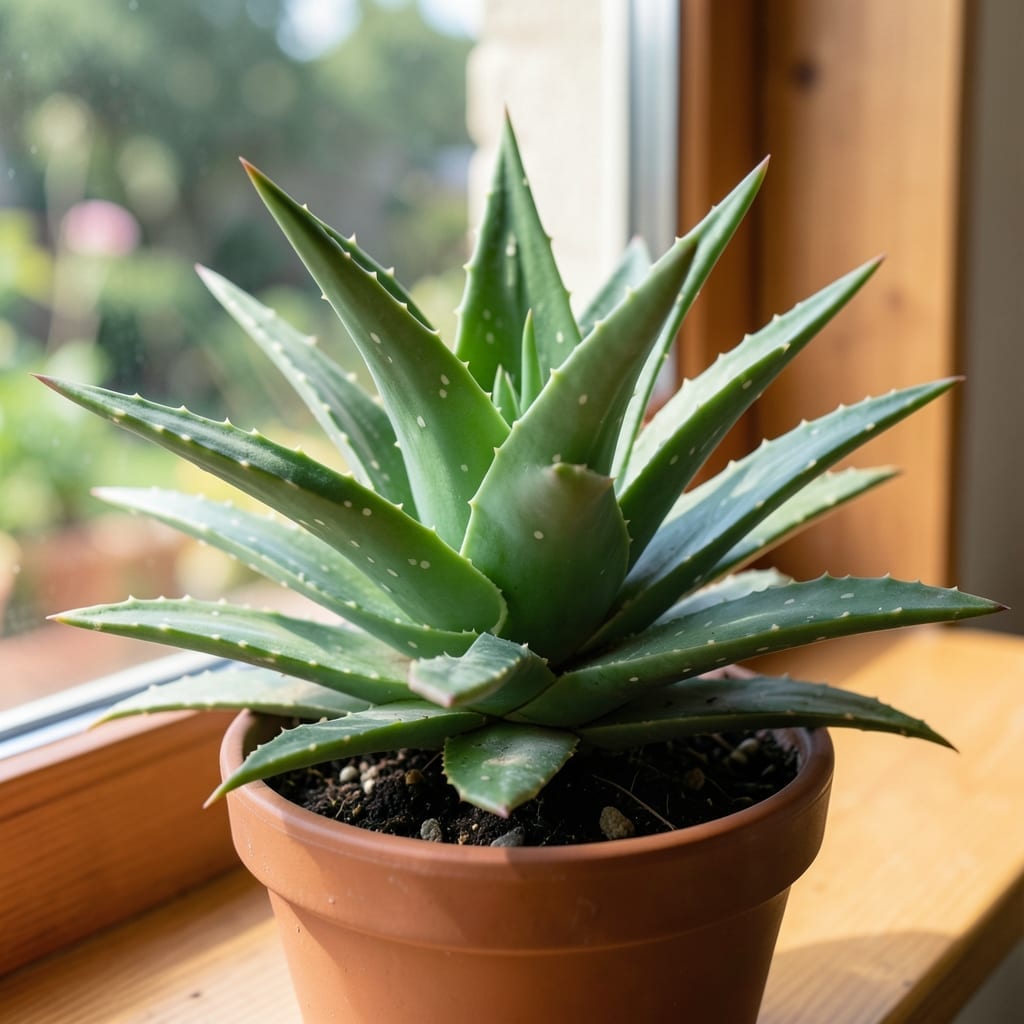
White spots on your aloe plant aren’t just unsightly—they’re a warning sign. I’ve seen these marks ruin perfectly healthy plants in a week when left unchecked. The good news? Most causes are treatable if you act fast.
Sunburn shows up as dry, bleached patches on the thickest leaves. Scale insects leave sticky white bumps that won’t brush off. Both spread quickly, but each needs a different fix. Misdiagnosing means wasted time and a sicker plant.
You’ll spot the difference with a magnifying glass and a gentle touch test. One scratches off easily, the other doesn’t. The right treatment starts with knowing which problem you’re actually facing.
Works for potted aloes indoors or out. Let’s figure out what’s happening and how to stop it.
White spots on your aloe plant can be alarming, but they often have clear, treatable causes. Understanding the root of the issue is the first step to restoring your plant’s health. Below are the most common culprits, explained with actionable insights.
Aloe plants thrive in bright light, but intense, direct sunlight—especially in hot climates—can scorch their leaves, leaving behind white or bleached patches. This happens because the plant’s chlorophyll breaks down under excessive UV exposure, a condition called photoinhibition. If your aloe sits in a south-facing window or outdoors without shade, sunburn is likely the cause.
Tiny, sap-sucking scale insects often appear as white, cottony, or waxy spots on aloe leaves. These pests pierce the plant’s tissue to feed, secreting a sticky substance (honeydew) that can attract sooty mold. Check the undersides of leaves and stems—if the spots are raised or can be scraped off, it’s likely scale. Mealybugs, another common pest, also leave similar white residue.
If you water your aloe with tap water high in calcium or magnesium, mineral buildup can form white crusty spots on the leaves. This is especially common in areas with hard water. The deposits don’t harm the plant directly but can block stomata (pores), reducing its ability to breathe and photosynthesize efficiently.
Fungal diseases like powdery mildew or botrytis can manifest as white, powdery spots, often in humid or poorly ventilated environments. These fungi thrive in damp conditions, so overwatering or splash from irrigation can spread spores. Infected areas may eventually turn brown or mushy if untreated.
Here’s how to tackle those unsightly white spots on your aloe plant, with clear fixes for each cause and prevention tips to keep your plant thriving.
If your aloe has been scorched by too much direct sunlight, relocate it to a spot with bright, indirect light—like near a north- or east-facing window. For outdoor plants, use shade cloth (30-40% density) during peak sun hours (10 AM–4 PM). Prevention tip: 💡 Acclimate your aloe gradually to sunlight by increasing exposure by 1-2 hours per week.
For scale infestations, gently scrub the leaves with a soft toothbrush or cotton swab dipped in 70% isopropyl alcohol to remove pests. Follow up with a spray of neem oil (mix 1 tbsp oil + 1 tsp dish soap + 1 quart water) every 7–10 days until gone. Prevention tip: ✨ Inspect new plants before bringing them near your aloe, and wipe leaves monthly with a damp cloth to deter pests.
If soggy soil is the culprit, stop watering immediately and let the soil dry out completely. Trim any mushy roots and repot in fresh, well-draining cactus/succulent mix. Use a terracotta pot with drainage holes to prevent future issues. Prevention tip: 🌡️ Water only when the top 1-2 inches of soil are dry, and empty saucers after watering to avoid standing water.
White mineral deposits from tap water? Flush the soil with distilled or rainwater until it drains freely from the bottom. Wipe leaves with a damp cloth to remove surface spots. Prevention tip: 🎯 Use filtered or distilled water for future waterings, or let tap water sit out for 24 hours before using to reduce chlorine.
Use a magnifying glass to check the spots. Pests like scale appear as raised bumps that scrape off, while sunburn creates flat, dry patches that won’t come off.
Sunburn spots won’t disappear but new growth will be healthy. Pest or fungal spots may spread without treatment, so act quickly to prevent damage.
Let tap water sit out for 24 hours to reduce chlorine. For best results, switch to filtered or distilled water to avoid future buildup.
Dab spots with 70% isopropyl alcohol on a cotton swab, then spray with neem oil every 7-10 days. Repeat until all pests are gone.