
Beautiful Plants For Your Interior
Beautiful Plants For Your Interior
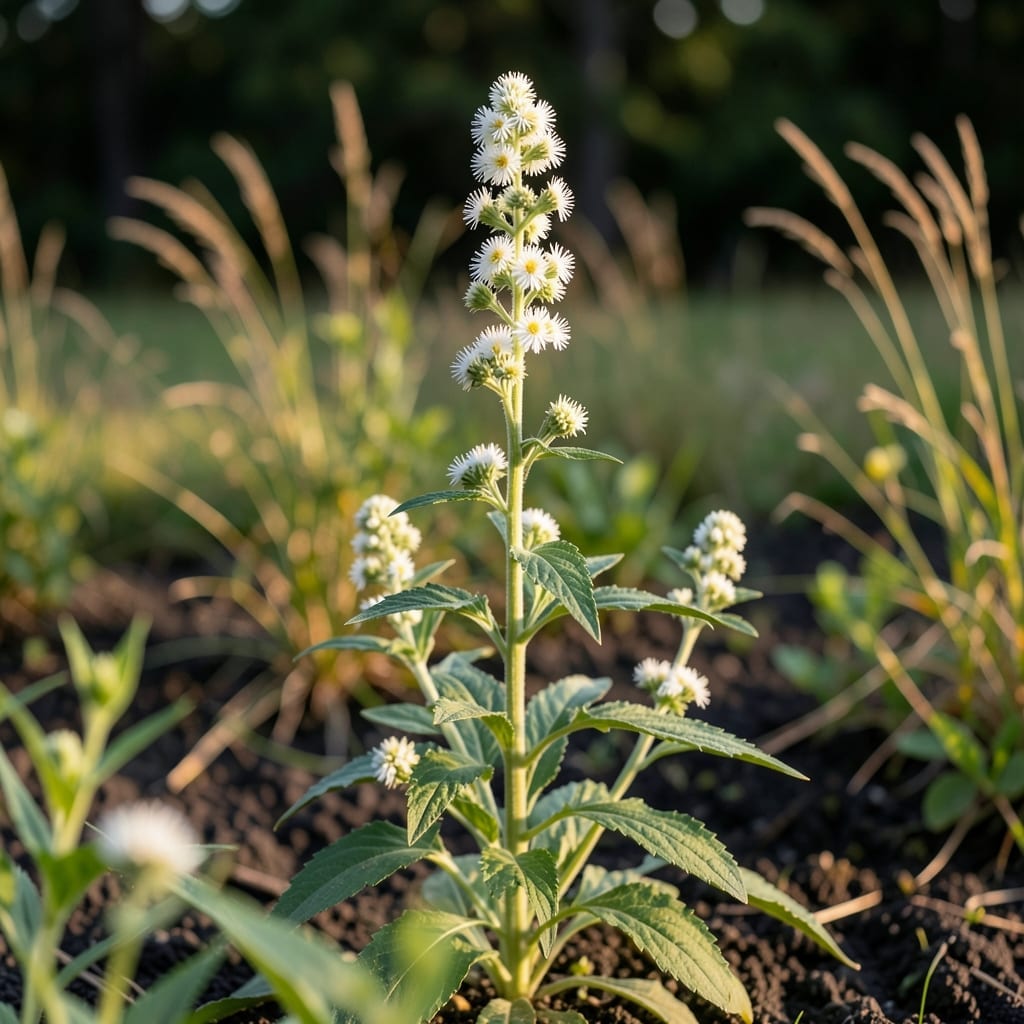
White snakeroot in your garden isn’t just a nuisance—it’s dangerous. I learned this the hard way after my dog got sick from brushing past it during our evening walks.
The plant contains tremetol, a toxin that can sicken livestock, pets, and even humans if ingested. It thrives in shady, wooded areas, often blending in with harmless wildflowers until it’s too late.
Removal requires caution: wear gloves, long sleeves, and a mask to avoid skin contact or inhaling dust. Bag the plants tightly and dispose of them far from compost or animal areas.
Early identification saves stress. Look for clusters of white flowers on tall stems with heart-shaped leaves—then act fast.
White snakeroot (Ageratina altissima) contains a potent toxin called tremetol, which causes poisoning in humans and livestock. This compound disrupts cellular metabolism, leading to severe symptoms. Below are the primary reasons this toxicity occurs:
The plant synthesizes tremetol as a defense mechanism against herbivores. When animals graze on white snakeroot—or humans consume contaminated milk or honey from animals that have—the toxin enters the body. Tremetol is fat-soluble, meaning it accumulates in milk, meat, and honey, posing a delayed but serious risk.
Cattle, goats, and sheep are most commonly affected after eating the plant in pastures. The toxin passes into their milk, which, if consumed by humans, can trigger milk sickness. Historically, this was a major cause of death in early American settlers.
Bees collecting nectar from white snakeroot produce contaminated honey. Similarly, dairy products from exposed livestock can retain the toxin even after processing. Proper pasture management and avoiding consumption of wild honey from unknown sources are critical preventive measures.
If you suspect white snakeroot poisoning in livestock or pets, act fast. Here’s how to address the issue and stop it from happening again.
Immediately move animals showing symptoms (trembling, weakness, or “trembles”) to a clean, snakeroot-free area. Isolate them to prevent further ingestion and monitor closely. Contact a veterinarian for supportive care, such as IV fluids or activated charcoal to bind toxins.
White snakeroot (Ageratina altissima) thrives in shaded, wooded areas. Pull plants by hand (wear gloves!) or use herbicides like glyphosate for large infestations. Bag and dispose of plants—do not compost, as toxins may persist. Recheck pastures weekly for regrowth.
Prevention tips:
💡 Pro tip: Sheep and goats are less susceptible than cattle or horses—consider them for cleaning up infested areas before reintroducing sensitive animals.
Symptoms typically develop within 2-12 hours after ingestion, starting with tremors, weakness, and vomiting. In severe cases, symptoms can progress rapidly, so immediate action is critical.
Direct skin contact rarely causes poisoning, but avoid it to prevent irritation. Always wear gloves and long sleeves when handling or removing the plant. Wash hands thoroughly afterward.
Yes, laboratories can test for tremetol in milk, honey, or plant samples. If you suspect contamination, avoid consumption and contact local agricultural authorities for testing.
Seal them in heavy-duty bags and dispose of them in the trash. Never compost or burn them, as toxins can persist and spread through smoke or compost use.