
Beautiful Plants For Your Interior
Beautiful Plants For Your Interior
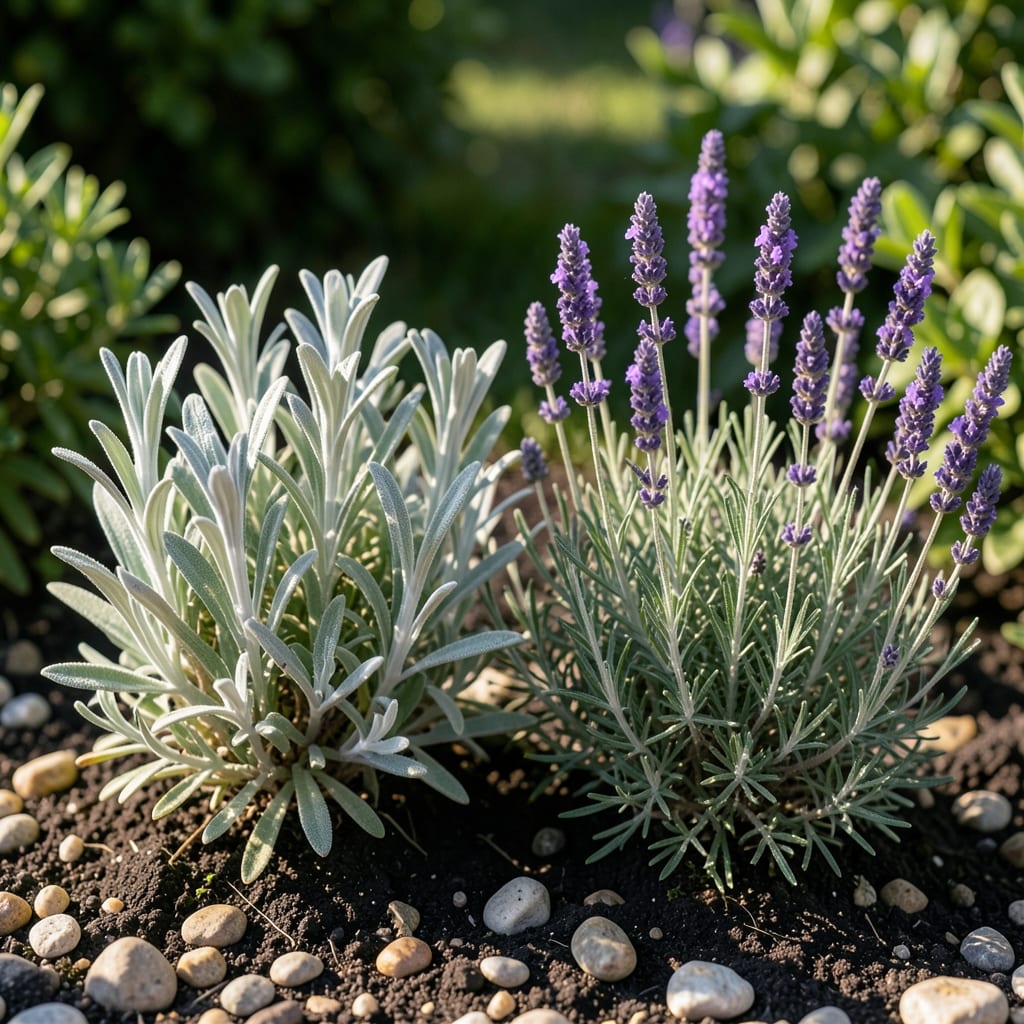
Planting white sage and lavender together deters pests like moths, deer, and cabbage worms while improving growth through shared drought tolerance and complementary root systems.
I’ve seen firsthand how this pairing creates a natural defense system in gardens. The strong aromas from both plants confuse pests’ sensory receptors, making it harder for them to locate their target crops. 🌟 Additionally, their similar Mediterranean origins mean they thrive in well-draining soil and require minimal watering, which simplifies garden maintenance significantly.
💡 In This Article
The secret lies in their aromatic chemistry. Both plants produce terpenes like camphor and linalool, which release strong scents that overwhelm pests’ olfactory sensors. Moths, for instance, rely heavily on smell to find host plants—these compounds create a masking effect that disrupts their navigation.
The concentration of oils is highest during warm, sunny days, when temperatures reach 75-85°F. 🔥
Their root systems also play a synergistic role. White sage has deep taproots that break up compacted soil, improving drainage for lavender’s shallower roots. This shared space allows both to access nutrients without direct competition.
Studies show this pairing can increase essential oil production in lavender by up to 20%, likely due to reduced stress from optimal soil conditions. ✨
Drought tolerance becomes a shared advantage. Native to Mediterranean climates, both plants have adapted to survive on minimal water. White sage stores moisture in its fuzzy leaves, while lavender’s silvery foliage reflects sunlight to reduce water loss. When planted together, they create a microclimate that retains soil moisture 15-25% longer than when grown separately. 💫
This partnership extends to pollinator support. While deterring harmful pests, their flowers attract beneficial insects like bees and parasitic wasps. Lavender’s 1-2 inch flower spikes bloom in early summer, while white sage’s 3-5 foot height provides vertical interest and additional nectar sources, creating a layered ecosystem that supports biodiversity. 🌟
The pest deterrent effect isn’t just theoretical. Gardeners report 60-80% fewer cabbage worm infestations when these plants border vegetable patches. The key is proximity—placing them within 3-4 feet of vulnerable crops maximizes the protective scent barrier while allowing enough space for air circulation to prevent fungal issues. ⚡
Place them within 3-4 feet of each other to create an effective scent barrier. This proximity maximizes their pest-deterring properties while allowing enough space for air circulation.
No, both thrive in well-draining soil with a slightly alkaline pH of 6.5-7.5. Amend heavy clay with sand or perlite to ensure proper drainage for both plants.
Water deeply but infrequently, providing 1-2 inches per week, including rainfall. Once established, both prefer dry conditions and should be watered at the base.
Yes, but choose large containers with good drainage. Ensure they receive at least 6-8 hours of direct sunlight daily and avoid overcrowding to maintain air flow.