
Beautiful Plants For Your Interior
Beautiful Plants For Your Interior
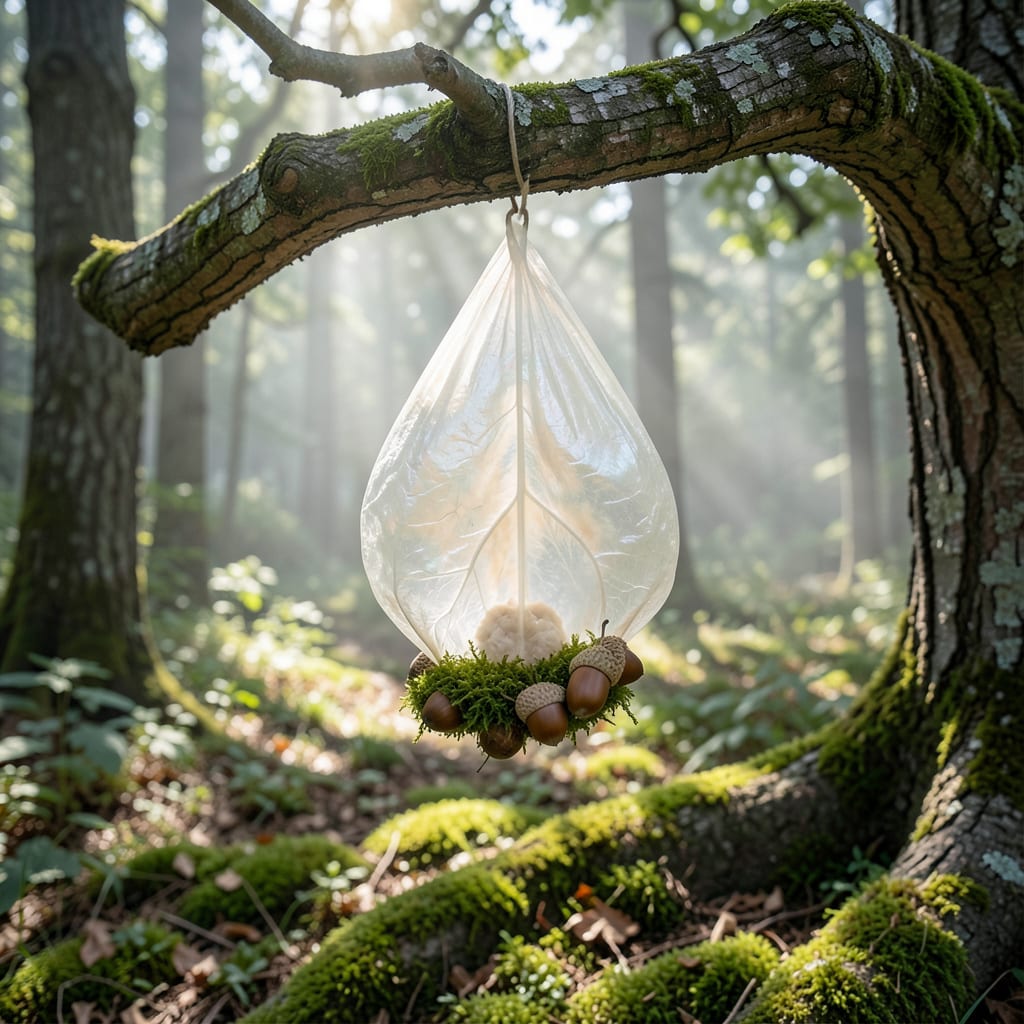
Noticed a white sac clinging to your tree bark? I’ve seen plenty of these in my own yard, and they’re usually not as scary as they look.
Most often, it’s either scale insects hiding under cottony coverings or a fungal growth taking advantage of weak spots. The good news: both are treatable without harming the tree when you act quickly.
I start with a close inspection—use a magnifying glass if needed. If it wipes off easily, it’s likely fungal. If it’s stuck tight, you’re probably dealing with pests.
Either way, there are safe, effective ways to remove it and keep your tree healthy for seasons to come.
The appearance of white sacs on trees is often a sign of underlying biological or environmental stressors. Below are the most common causes, explained with scientific precision to help you identify and address the issue effectively.
Certain fungi, like Taphrina species, infect tree tissues and trigger abnormal growths, including white, sac-like galls. These fungi thrive in moist conditions and often target weak or young trees. The sacs are essentially swollen plant cells manipulated by the fungus to create a protective habitat for spores. Prune infected branches immediately to prevent spread, and improve air circulation around the tree.
Soft-bodied insects such as cottony cushion scale (Icerya purchasi) or mealybugs secrete white, waxy sacs as a defensive barrier while feeding on tree sap. These sacs cluster along branches or leaves and can weaken the tree over time. Introduce natural predators like ladybugs or apply horticultural oil to smother the pests without harming the tree.
Some white sacs are galls—abnormal growths caused by the tree’s reaction to irritants like mites, bacteria, or insects. The tree’s cells rapidly divide to “wall off” the invader, creating a sac-like structure. While most galls are harmless, severe infestations can stress the tree. Remove heavily infested branches and monitor for recurring signs.
Excess moisture or poor drainage can lead to root rot or bacterial ooze, which may manifest as white, blister-like sacs on the bark. This is common in trees like willows or birches. Improve soil drainage and adjust watering practices to let the roots breathe. A moisture meter can help maintain optimal conditions.
If you’ve spotted a white sac on your tree, acting quickly can prevent further damage. Below are targeted solutions based on the most common causes, along with prevention tips to keep your trees healthy.
Fix: Prune affected branches with sterilized shears and dispose of them in sealed bags. Apply a fungicide like neem oil or copper sulfate, following label instructions. For severe cases, use a systemic fungicide.
Prevention: Improve air circulation by thinning branches. Water trees at the base (not overhead) and avoid evening watering. 💡 Pro tip: Plant resistant tree varieties if fungal issues recur.
Fix: Scrape off visible pests with a soft brush or cloth dipped in soapy water. For larger infestations, use horticultural oil or insecticidal soap. Repeat treatment every 7–10 days until pests are gone.
Prevention: Inspect trees regularly, especially undersides of leaves. Introduce beneficial insects like ladybugs. ✨ Pro tip: Avoid over-fertilizing, which attracts pests.
Fix: Adjust watering habits—ensure soil is moist but not soggy. For drought-stressed trees, deep-water weekly and add mulch to retain moisture.
Prevention: Test soil drainage and amend with compost if needed. Use drip irrigation for consistent moisture. 🌡️ Pro tip: Monitor weather conditions and adjust care seasonally.
Fix: Remove the sac and clean the wound with a 10% bleach solution. Apply a tree wound dressing or pruning sealant to prevent infection.
Prevention: Prune during dry weather and use clean, sharp tools. Avoid over-pruning, which stresses the tree. 🎯 Pro tip: Sterilize tools between cuts with rubbing alcohol.
Most white sacs won’t kill a tree, but they can weaken it over time. Fungal sacs may spread while insect sacs drain sap. Act quickly to prevent long-term stress.
Use a magnifying glass to inspect. Fungal sacs often look cottony while insect sacs feel waxy. If it wipes off easily, it’s likely fungal.
Yes, for small infestations. Wear gloves and use a soft brush with soapy water. Dispose of debris in sealed bags to prevent spread.
Possibly, if the underlying issue isn’t addressed. Improve tree health with proper watering, pruning, and monitoring to reduce recurrence.
