
Beautiful Plants For Your Interior
Beautiful Plants For Your Interior
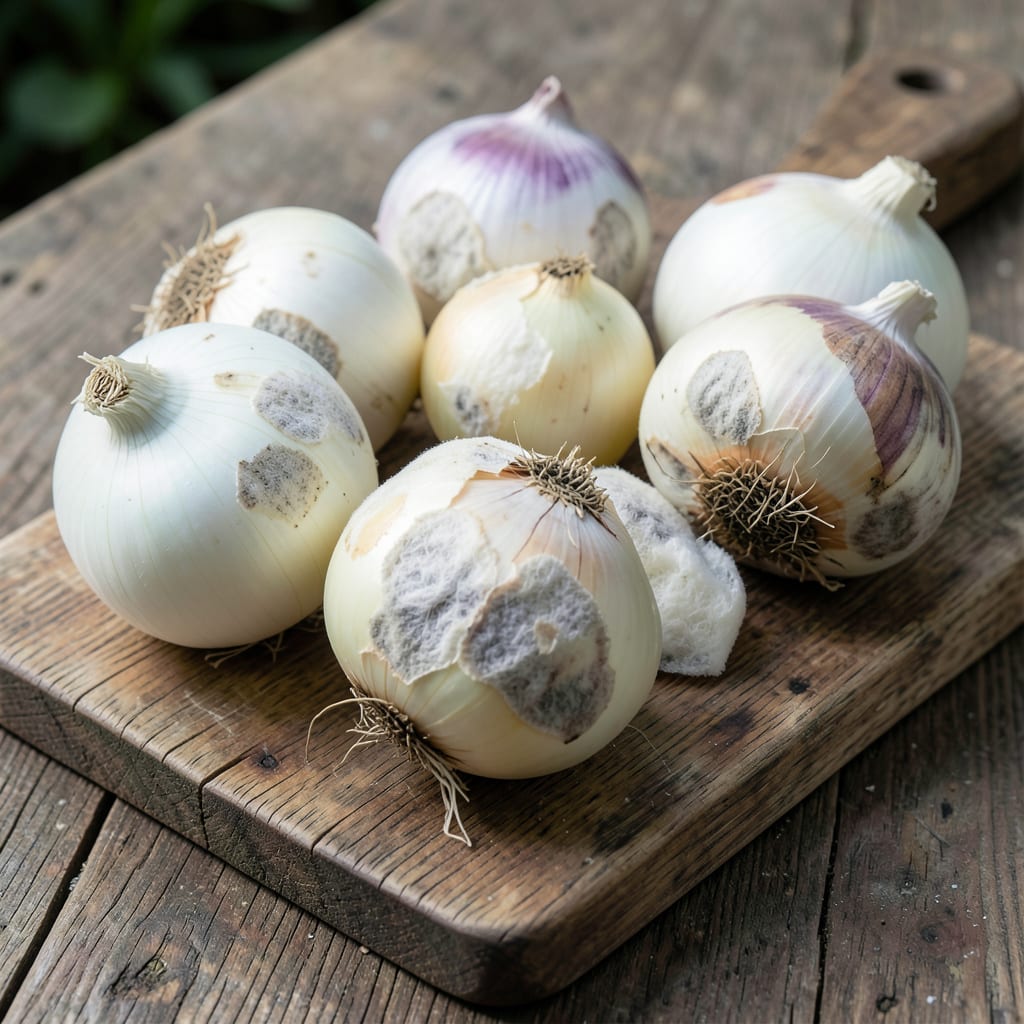
Nothing ruins an onion harvest faster than white rot. I’ve lost entire beds to this stubborn fungus, which thrives in cool, wet soil and can linger for years.
The first sign is yellowing leaves and stunted growth, followed by white, fluffy mold at the base. It spreads quickly through the soil, infecting neighboring plants and even surviving on old crop debris.
Prevention starts with healthy soil and good drainage. Rotate crops, use disease-free sets, and remove infected plants immediately to stop the spread.
With the right approach, you can protect your crop and keep your garden productive. Here’s how to tackle it head-on.
White rot in onions is primarily caused by the soil-borne fungus Sclerotium cepivorum. This pathogen thrives in cool, moist conditions and can persist in the soil for years, making it a persistent threat to onion crops. Below are the key factors that contribute to its development:
The fungus Sclerotium cepivorum is the direct cause of white rot. It produces sclerotia—hard, dark structures that survive in the soil for extended periods. When conditions are favorable (cool temperatures and high moisture), these sclerotia germinate and infect onion roots, leading to rot.
White rot flourishes in temperatures between 50–75°F (10–24°C) and in waterlogged or poorly drained soils. Excessive rainfall or over-irrigation creates the perfect environment for the fungus to spread rapidly through the soil and infect onion bulbs.
The fungus can linger in soil or on decaying plant material from previous crops. If onions are planted in contaminated fields or where allium crops (like garlic or leeks) were previously grown, the risk of infection increases significantly. Crop rotation with non-allium plants can help break the cycle.
Using contaminated tools, machinery, or infected seedlings can introduce the fungus to healthy fields. Additionally, over-fertilization with nitrogen can weaken onion plants, making them more susceptible to fungal attacks. Proper sanitation and tool sterilization are critical preventive measures.
Tackling white rot in onions starts with quick action and smart prevention. Below are targeted solutions for common causes, paired with tips to keep your crop healthy long-term.
If white rot is confirmed, remove and destroy infected plants and the surrounding soil to prevent spread. Do not compost them. Replace the soil with fresh, pathogen-free soil or use raised beds for future plantings. Solarizing the soil (covering with clear plastic for 4-6 weeks in hot sun) can also kill lingering fungi.
White rot thrives in soggy conditions. Amend heavy or clay soil with organic matter like compost or sand to boost drainage. Plant onions in raised beds or ridges to avoid waterlogging. Water in the morning so soil dries out during the day.
💡 Pro Tip: Use drip irrigation instead of overhead watering to keep foliage dry and reduce fungal spread.
If seedlings show signs of white rot (wilted, yellow leaves or white fungal growth), pull and discard them immediately. For next season, use certified disease-free seeds or sets from reputable suppliers. Avoid saving seeds from infected crops.
Prevent reinfection by rotating crops. Do not plant onions, garlic, or other alliums in the same spot more than once every 4-5 years. Follow them with non-host crops like beans, corn, or lettuce to starve the fungus.
For high-risk areas, apply biological fungicides containing Trichoderma or Bacillus strains at planting. Copper-based fungicides can also help but should be used sparingly. Always follow label instructions.
🎯 Key Prevention: Keep your garden clean—remove plant debris after harvest, disinfect tools with a 10% bleach solution, and practice good airflow between plants.
Look for yellowing leaves, stunted growth, and white, fluffy mold at the base. Infected bulbs may feel soft and show black sclerotia inside.
No, the fungus can survive for years. Remove and replace infected soil or solarize it with clear plastic for 4-6 weeks to kill the pathogen.
Remove infected plants immediately and avoid composting them. Disinfect tools with a 10% bleach solution and practice crop rotation.
Yes, it targets alliums like garlic, leeks, and shallots. Avoid planting these in the same spot for at least 4-5 years.
