
Beautiful Plants For Your Interior
Beautiful Plants For Your Interior
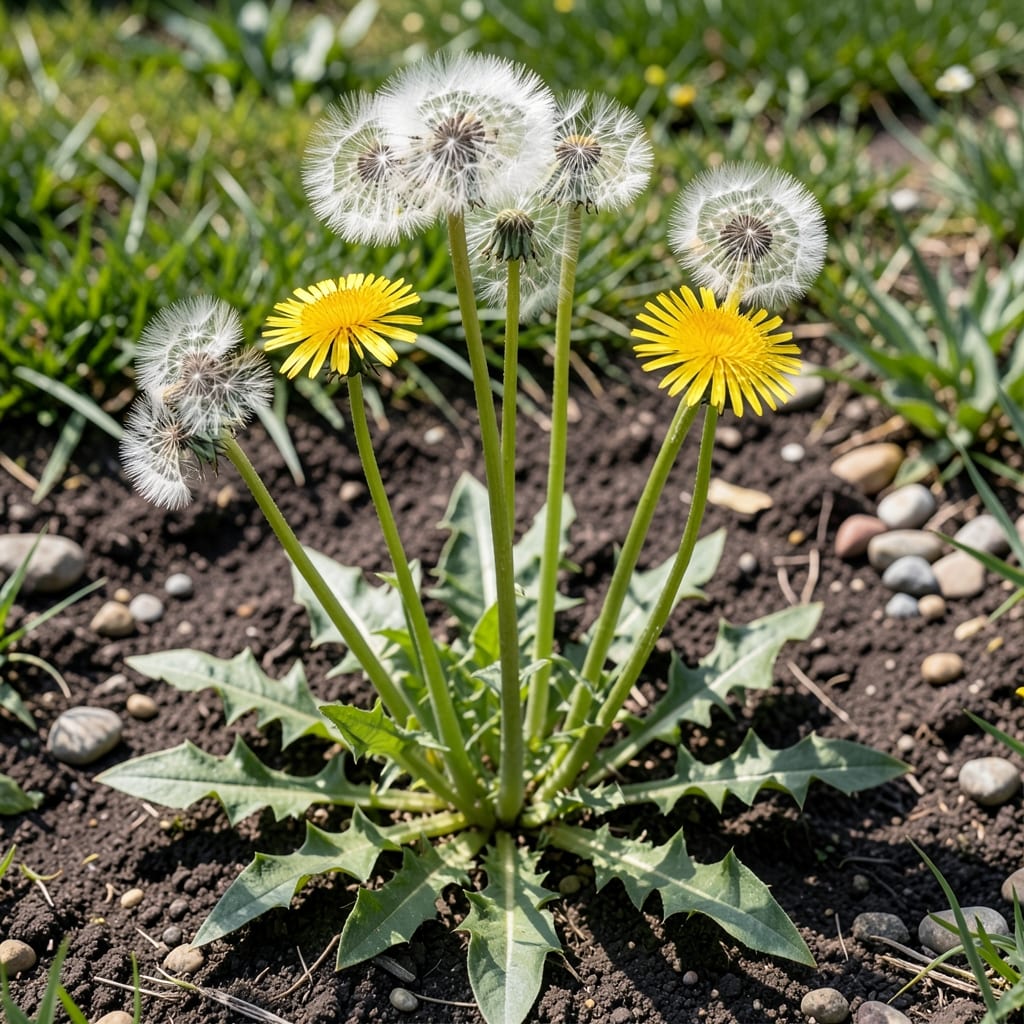
Those fluffy white invaders popping up overnight in your yard aren’t just unsightly—they’re prolific seed spreaders. I’ve spent too many weekends pulling them only to see twice as many return the following week.
Here’s the thing—they thrive in disturbed soil and poor lawn conditions. The key is catching them early before those dandelion-like seed heads burst open and scatter hundreds of new plants across your garden.
Removal is simple but requires persistence. Hand-pulling works best when soil is moist, but you’ll need to get the entire root. For larger infestations, a natural vinegar solution can target them without harming surrounding plants.
Prevention means improving your lawn’s health and filling bare spots quickly. They can’t take hold where grass or ground cover is already thriving.
Understanding why white puffy weeds (often dandelions or sow thistles in their seed stage) thrive in your yard comes down to a few key environmental and biological factors. Here’s the science behind their persistence:
These weeds love disturbed soil. Over-fertilizing, especially with nitrogen-heavy products, creates an imbalance that favors their rapid growth. Compacted soil—common in high-traffic areas—reduces competition from other plants, giving weeds an open invitation. Aerate your lawn and test soil pH to restore balance.
Each white puff is a parachute-like seed head designed for wind travel. A single dandelion can release up to 200 seeds, carried miles away. Even a neighbor’s untreated lawn can reintroduce seeds to your property. Mow before seeds form to break the cycle.
Weeds thrive in sunlit, bare spots where grass or plants are thin. Dandelions, for example, are pioneers—they colonize gaps quickly. Oversow with grass seed or use mulch to block sunlight and prevent germination.
Shallow, irregular watering encourages weak grass roots, leaving room for weeds to take hold. Deep, infrequent watering (1–1.5 inches per week) strengthens turf and crowds out invaders. Use a rain gauge to track moisture accurately.
Dealing with unwanted white puffy weeds in your garden or yard? Here’s how to tackle them effectively and keep them from coming back.
If your lawn is overrun, start by mowing regularly to prevent these weeds from seeding. Use a selective herbicide designed for broadleaf weeds, applying it in early spring or fall when the weeds are actively growing. For organic solutions, corn gluten meal can act as a natural pre-emergent to stop seeds from sprouting.
In garden beds, hand-pulling is effective for small infestations—just ensure you remove the entire root to prevent regrowth. Lay down mulch to smother existing weeds and block new ones from emerging. A thick layer of organic mulch (like wood chips) also improves soil health.
With consistency, you can control and prevent these pesky invaders naturally!
Often yes! Many white puffy weeds are dandelions in their seed stage. Other culprits include sow thistles or common groundsel. The key identifier is the fluffy, wind-dispersed seed head.
Remove them before they seed—mow regularly or pull by hand. A 2-3 inch mulch layer in garden beds blocks sunlight. For lawns, improve grass density to crowd them out.
White vinegar can kill tops but often misses roots. For best results, use horticultural vinegar (20% acidity) and apply directly to leaves on sunny days. Reapply as needed.