
Beautiful Plants For Your Interior
Beautiful Plants For Your Interior
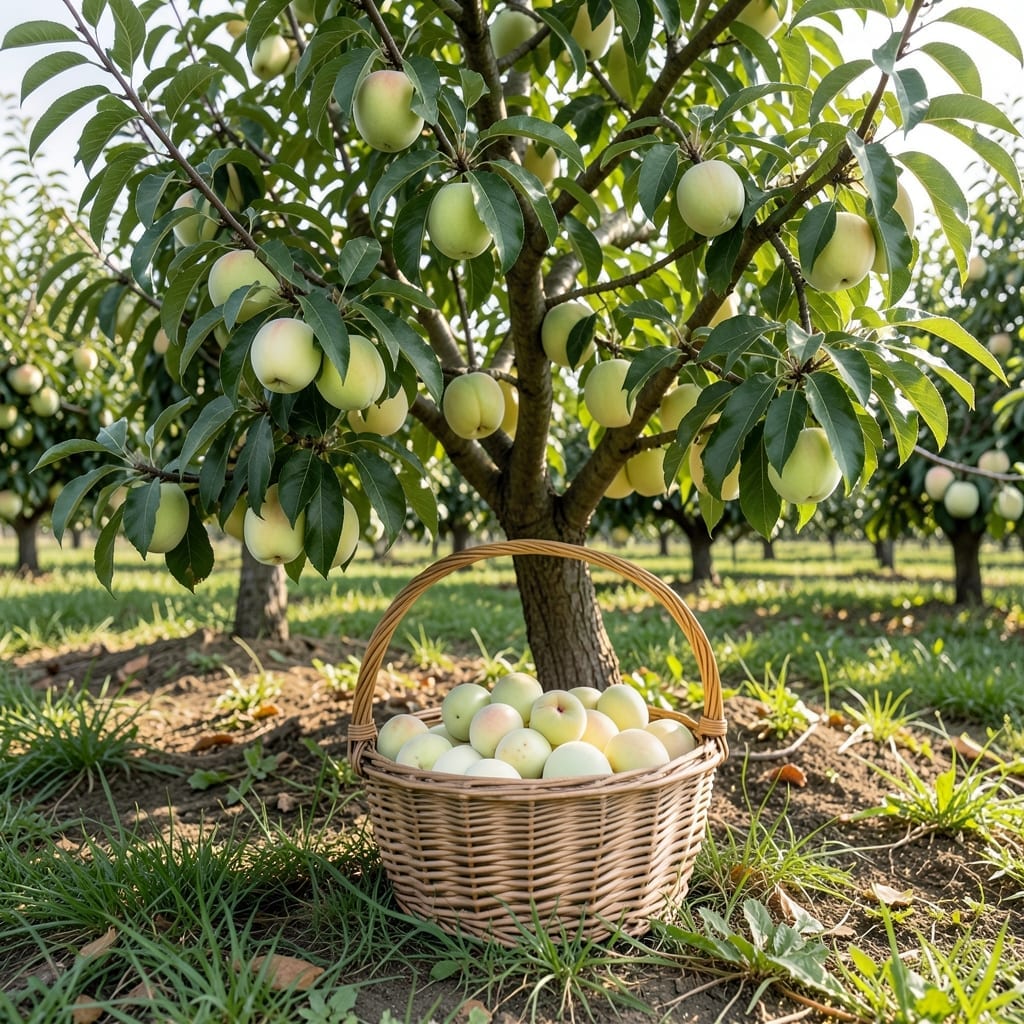
Nothing beats the taste of a perfectly ripe white peach, but timing your harvest can feel like a guessing game. The 🍑 Peach Tree gives subtle hints when its fruit is at peak sweetness.
Unlike yellow varieties, white peaches rely on color shifts and fragrance rather than deep hues. Missing the ideal window could leave you with fruit that’s either too firm or overly soft.
I’ll walk you through the most reliable visual and sensory cues to watch for. You’ll learn to spot the exact moment when your white peaches are ready to deliver that burst of juicy flavor.
Discover how to make every harvest from your tree the sweetest one yet. The difference between good and exceptional often comes down to just a few days.
Identifying ripe white peaches starts with their color transformation. Early on, they appear green and firm, but as they mature, the skin shifts to a creamy white base with a soft blush. This change is your first visual clue.
Watch for the red blush development on the side facing the sun. A ripe white peach will have a vibrant blush covering about 30-50% of its surface. Avoid fruit with excessive green, as it’s not ready.
| Ripeness Stage | Color Indicator |
|---|---|
| Unripe | Solid green skin |
| Nearly Ripe | Pale white with faint blush |
| Peak Ripeness | Creamy white with red blush |
| Overripe | Deep blush, soft spots |
The stem area is another critical spot to check. A ripe white peach will have a yellowish hue near the stem, not green. This small detail often gets overlooked but is a reliable indicator of maturity.
Don’t rely solely on size. White peaches can reach full size before they’re ripe. I’ve seen many gardeners pick fruit too early because it looked big enough, only to find it lacked sweetness.
Check the underside of the peach too. It should transition from green to white uniformly. If the bottom is still green while the top has blush, the fruit needs more time on the tree.
Weather plays a role in color development. In hotter climates, the blush may appear more quickly, but the fruit might not be fully sweet. I always combine color checks with other ripeness tests for accuracy.
Another tip: look for slight wrinkling near the stem. This isn’t a sign of overripeness but rather an indication that the fruit is fully hydrated and ready to be picked.
If you see bruising or dark spots, the peach is likely past its prime. These blemishes often appear when the fruit is overly soft, which can happen if left on the tree too long.
For the best results, check your peaches every 1-2 days as they approach ripeness. The transition from nearly ripe to perfect can happen quickly, especially in warm weather. 🌿
While color cues are helpful, the real magic happens with your nose and fingertips. A ripe white peach emits a sweet fragrance near the stem that’s unmistakable. I always start here before even touching the fruit.
Gently cup the peach in your hand and give it a light squeeze. It should yield slightly to pressure, but not feel mushy. Think of it like testing a ripe avocado—firm but with a little give. This tactile test works best when combined with the sniff test.
The stem pull test is another reliable method. A ripe white peach will separate easily from the branch with just a gentle twist. If it resists, leave it be for another day or two. I’ve found this works especially well for fruit higher up in the tree.
Don’t overlook the underside of the peach. Even if the top looks ready, the bottom should match with that same creamy white color. Any lingering green means it needs more time to develop its full sweetness.
Weather can affect texture too. In humid conditions, peaches may feel softer sooner, while dry spells can make them seem firmer. I always factor in recent weather when assessing ripeness.
For the most accurate results, I recommend performing these tests in the early morning. The fruit is at its firmest then, giving you the best sense of its true ripeness. Trust your senses—they’re the best tools for perfect peaches. 🌱