
Beautiful Plants For Your Interior
Beautiful Plants For Your Interior
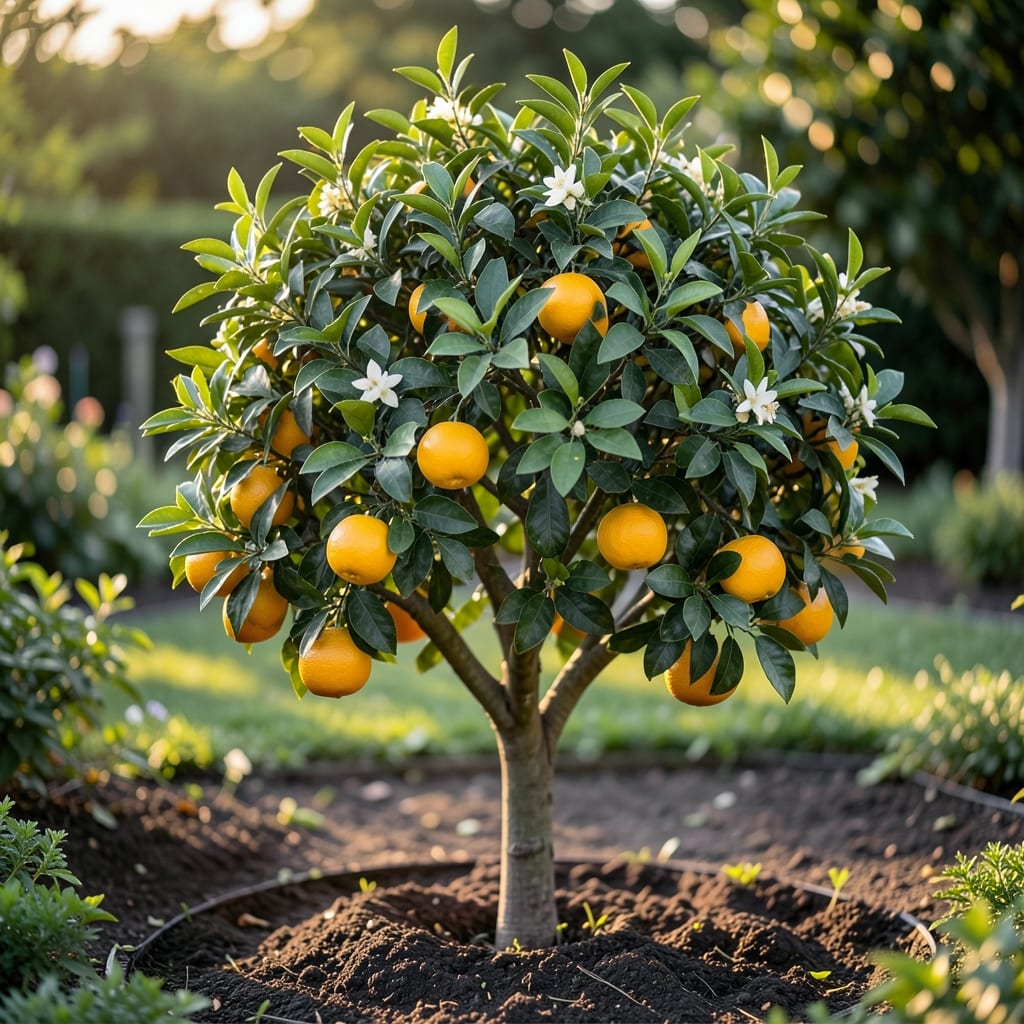
The white part of an orange is called the pith, a spongy layer between the peel and the fruit segments that provides protection and structure.
This fibrous layer serves as a natural cushion, shielding the juicy segments from damage while also transporting vital nutrients throughout the fruit. 🔥 I’ve noticed it often gets discarded, but it’s actually rich in flavonoids and vitamin C, making it useful in marmalades or as a compost addition for gardeners. Many crossword puzzles favor “pith” as the most common answer for this clue.
💡 In This Article
This fibrous layer acts as a vascular highway for the fruit. In botanical terms, it’s part of the mesocarp, the middle layer of the orange’s three-part structure. The pith contains xylem and phloem tissues that transport water, sugars, and nutrients from the tree to the developing segments.
Without this network, the juicy vesicles we enjoy wouldn’t receive the sustenance they need to grow. 🔥
Its spongy texture comes from air pockets within the cell structure. These spaces provide insulation, protecting the fruit from temperature swings and physical impacts. The pith also produces antimicrobial compounds, acting as a first line of defense against pathogens that might breach the outer peel.
This is why damaged oranges often spoil from the inside out. ✨
The composition includes high concentrations of pectin, a polysaccharide that gives it that characteristic slightly bitter taste. This bitterness actually serves a purpose—it deters pests from burrowing through the peel to reach the seeds. In citrus fruits, the pith typically makes up about 20-25% of the fruit’s volume, varying slightly by variety.
What most people don’t realize is that the thickness of the pith correlates with the fruit’s resilience. Thicker pith, like in navel oranges, indicates a more robust fruit that can withstand longer storage times. Thinner pith, found in some heirloom varieties, often means a more delicate fruit that’s best consumed quickly after harvest. 💫
From a plant physiology standpoint, the pith also plays a role in gas exchange. While the peel has tiny pores called lenticels, the pith’s structure allows for controlled oxygen and carbon dioxide movement. This balance is crucial for the fruit’s ripening process, ensuring the segments develop their characteristic sweetness and acidity. 🌟
It’s called the pith, or sometimes the albedo. This spongy white layer sits between the outer peel and the juicy segments.
It’s a common trivia question because many people discard it without knowing its name. Pith is the standard answer in most puzzles.
Yes, it’s edible and rich in fiber and flavonoids. Some people avoid it due to its bitter taste, but it’s nutritious.
It varies by orange type, but typically makes up 20-25% of the fruit’s volume. Thicker pith often means a hardier fruit.