
Beautiful Plants For Your Interior
Beautiful Plants For Your Interior
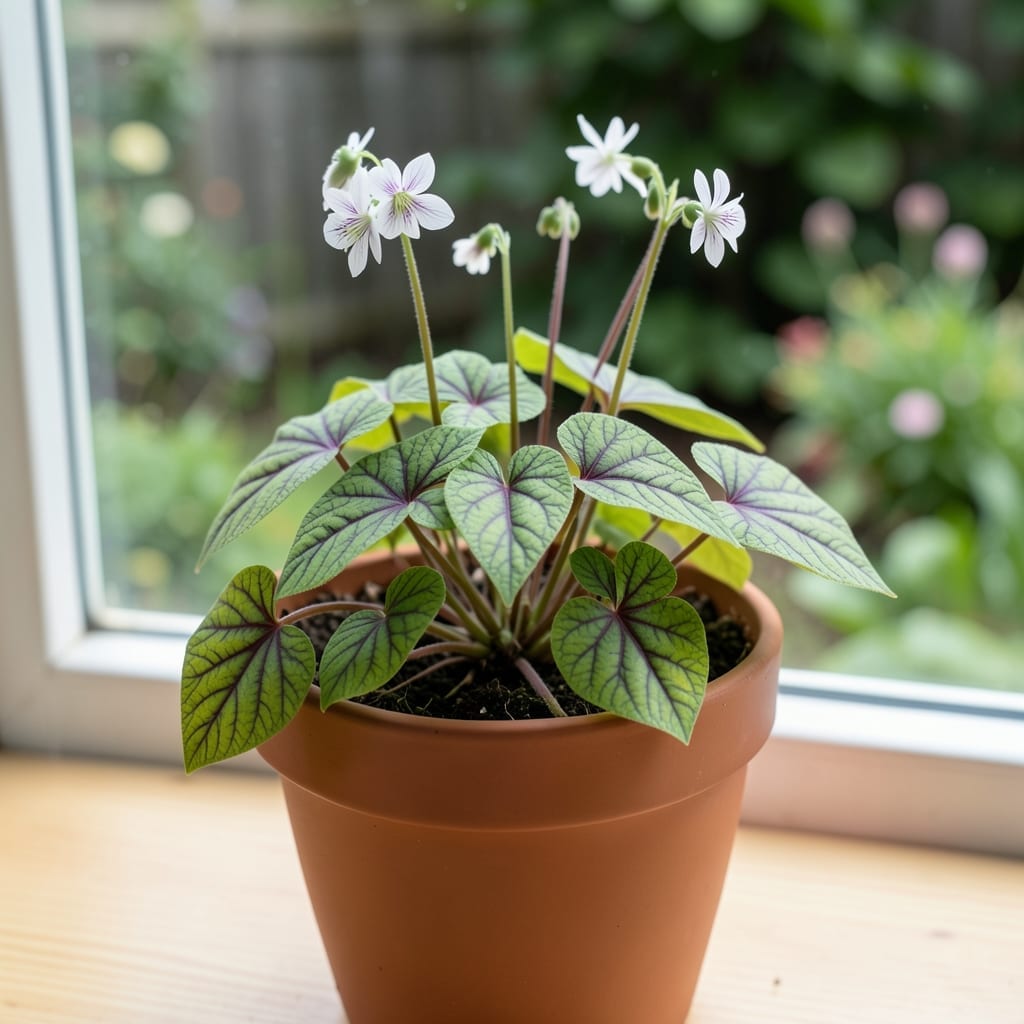
I first spotted white oxalis spreading under my maple tree, its delicate blooms glowing in the shade. This plant thrives where others struggle, turning dim corners into carpets of white with minimal effort.
It handles dry spells better than most shade plants, and the foliage stays lush even in partial sunlight. The real magic happens in spring when those tiny flowers appear, each one a perfect little star against the dark soil.
Once established, it spreads gently without becoming invasive. You’ll find it popping up in unexpected places, always bringing a touch of brightness to shady spots.
Works beautifully in woodland gardens, under trees, or along north-facing borders. Here’s how to give it the perfect home.
The Oxalis genus, often called wood sorrel, produces white flowers under specific conditions. These delicate blooms aren’t random—they’re triggered by environmental, genetic, and care-related factors. Below are the primary reasons your oxalis may display white flowers instead of its typical pink, yellow, or purple hues.
Some Oxalis species, like Oxalis acetosella (common wood sorrel), naturally produce white flowers due to their genetic makeup. If you’ve planted a white-flowering cultivar (e.g., Oxalis triangularis ‘White’), the color is intentional. Check the seed packet or plant label—breeders selectively cultivate these traits for aesthetic appeal.
Oxalis thrives in partial shade, but excessive sunlight can bleach pigments in petals, turning them white. UV radiation breaks down anthocyanins (the compounds responsible for red, pink, or purple hues). If your plant is in full sun, move it to a shadier spot to preserve vibrant colors. Conversely, too little light may prevent pigment development, leading to pale or white blooms.
Extreme temperatures disrupt flower pigmentation. Heatwaves above 85°F (29°C) or cold snaps below 50°F (10°C) can inhibit color production. Oxalis prefers stable, mild climates (60–75°F / 15–24°C). If your plant is outdoors, consider potting it for seasonal indoor protection.
A lack of phosphorus or potassium—key nutrients for flower color—can result in white or faded blooms. Test your soil: oxalis favors slightly acidic to neutral pH (6.0–7.0). Amend with a balanced, water-soluble fertilizer (10-10-10) or organic compost to restore vibrancy.
Infestations (e.g., spider mites, aphids) or fungal diseases (like powdery mildew) stress the plant, diverting energy from pigment synthesis. Inspect leaves for yellowing, spots, or webbing. Treat with neem oil or insecticidal soap, and improve airflow to prevent recurrence.
Dealing with problems in your white oxalis? Here’s how to tackle them head-on with simple, actionable fixes.
If your oxalis leaves are turning yellow, overwatering or poor drainage is likely the culprit. Repot the plant in a well-draining mix (add perlite or sand) and ensure the pot has drainage holes. Water only when the top inch of soil is dry. Prevention tip: 💡 Use a moisture meter to avoid guesswork!
Spider mites or aphids? Wipe leaves with a soapy water solution (1 tsp mild soap per liter of water) or spray with neem oil. For severe cases, isolate the plant and repeat treatment weekly. Prevention tip: ✨ Keep humidity levels up—pests thrive in dry air.
If stems stretch and look weak, your oxalis needs more light. Move it to a bright, indirect spot (east or north-facing windows are ideal). Rotate the pot occasionally for even growth. Prevention tip: 🎯 Avoid harsh direct sunlight, which can scorch the delicate foliage.
Sudden wilting? Underwatering or cold drafts may be to blame. Water thoroughly (but don’t drown it) and move the plant away from AC vents or chilly windows. Oxalis prefers temps between 60–75°F (15–24°C). Prevention tip: 🌡️ Group plants together to maintain stable humidity.
With these tweaks, your white oxalis will bounce back—happy, healthy, and blooming!
Yes! Place it near a bright window with indirect light. Keep the soil moist but not soggy, and maintain temperatures between 60-75°F for best results.
Usually from overwatering or poor drainage. Let the top inch of soil dry between waterings and ensure the pot has drainage holes.
Divide the rhizomes in spring or early summer. Plant the sections in well-draining soil and water lightly until established.
Yes, deer typically avoid oxalis due to its sour taste. It’s a great choice for gardens with frequent deer visitors.