
Beautiful Plants For Your Interior
Beautiful Plants For Your Interior
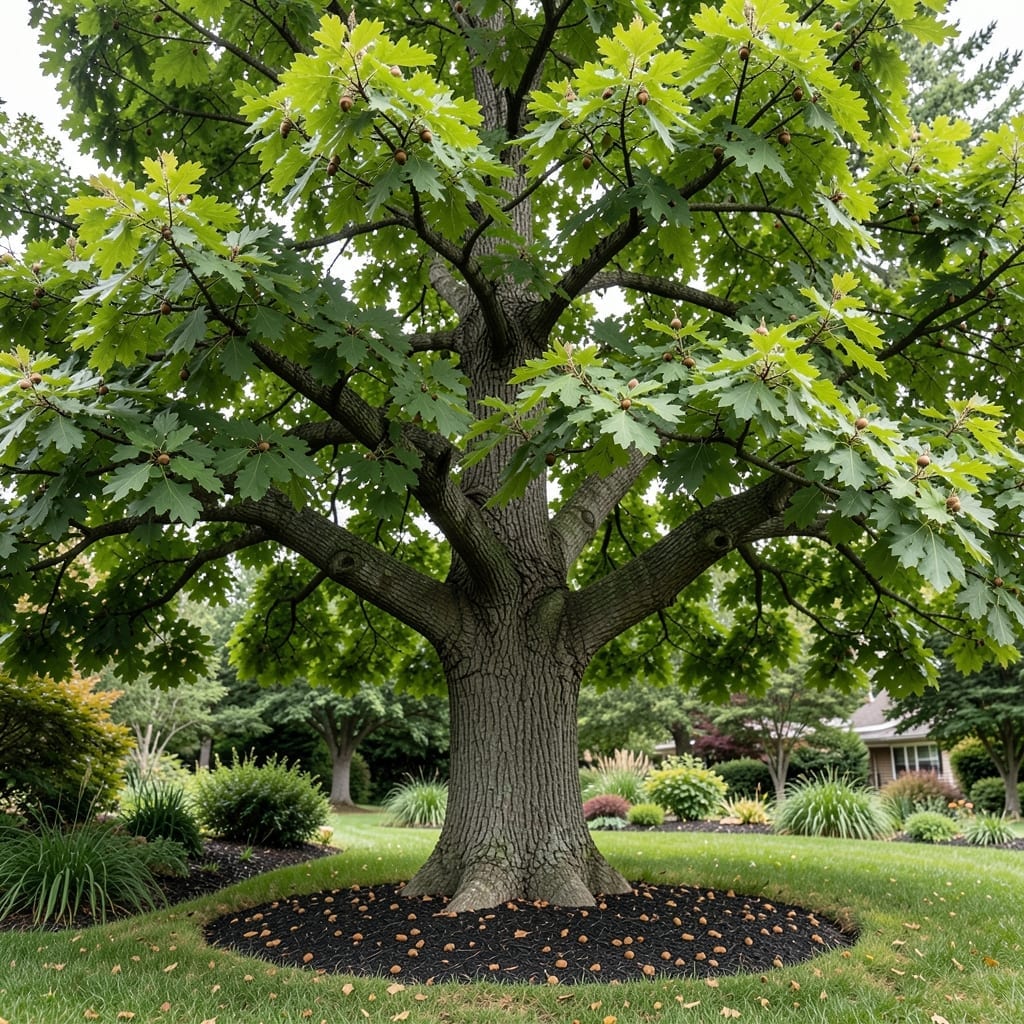
White oaks conservation focuses on protecting these long-lived, ecologically vital trees through sustainable practices, habitat restoration, and disease management to preserve biodiversity and forest health.
These majestic trees support over 500 species of insects and wildlife, making them cornerstones of healthy forest ecosystems. I’ve seen firsthand how their deep root systems prevent soil erosion while their acorns sustain entire food chains. Oak wilt and urban development pose the biggest threats, which is why targeted preservation efforts are so critical. 🌟
💡 In This Article
White oaks serve as ecological powerhouses, supporting entire ecosystems with their massive canopies and deep root systems. A single mature white oak can produce over 2,000 acorns annually, feeding deer, squirrels, turkeys, and countless insects. Their bark provides habitat for lichens, mosses, and birds like woodpeckers. 🌟
These trees live up to 300 years, with some specimens exceeding 100 feet in height and 4 feet in diameter. Their longevity allows them to develop complex relationships with mycorrhizal fungi, which expand their root systems by up to 100 times, dramatically improving soil health and water retention.
The loss of one mature oak can disrupt this underground network for decades.
Their leaf litter creates a unique microhabitat that supports specialized insects and decomposers. Research shows white oak forests have 20-30% higher biodiversity than pine plantations of similar age. This diversity extends to bird species, with oak forests supporting 3 times more nesting pairs per acre than non-oak woodlands.
Climate change adds urgency, as white oaks face increasing stress from drought and temperature extremes. Their acorns require specific moisture conditions to germinate, and prolonged dry spells can wipe out an entire year’s seed crop. Conservation isn’t just about saving trees—it’s about preserving entire ecological communities that have evolved over millennia around these forest giants.
✨
Urban development fragments oak habitats, isolating tree populations and reducing genetic diversity. Studies show isolated oak stands have 40% lower acorn production compared to those in connected forests. Road construction and land clearing create barriers that prevent natural regeneration, making human intervention crucial for maintaining healthy oak populations.
White oaks can live up to 300 years under ideal conditions, with some specimens reaching 100 feet tall and 4 feet in diameter. Their longevity allows them to support complex ecosystems.
Oak wilt and urban development are major threats. Habitat fragmentation isolates populations, reducing acorn production by up to 40%. Climate change also increases drought stress.
Collect acorns between September and November, directly from the ground within 24-48 hours of falling. Store them in burlap sacks in a cool, dry place to maintain viability.
Space seedlings 10-12 feet apart to allow for future growth. Plant them at a depth of 1-2 inches in well-drained soil and water weekly with 1-2 gallons per tree.
Organize seed collection drives or tree-planting events. Partner with schools for educational programs about oak ecology. Hands-on involvement increases long-term stewardship of these vital trees.