
Beautiful Plants For Your Interior
Beautiful Plants For Your Interior
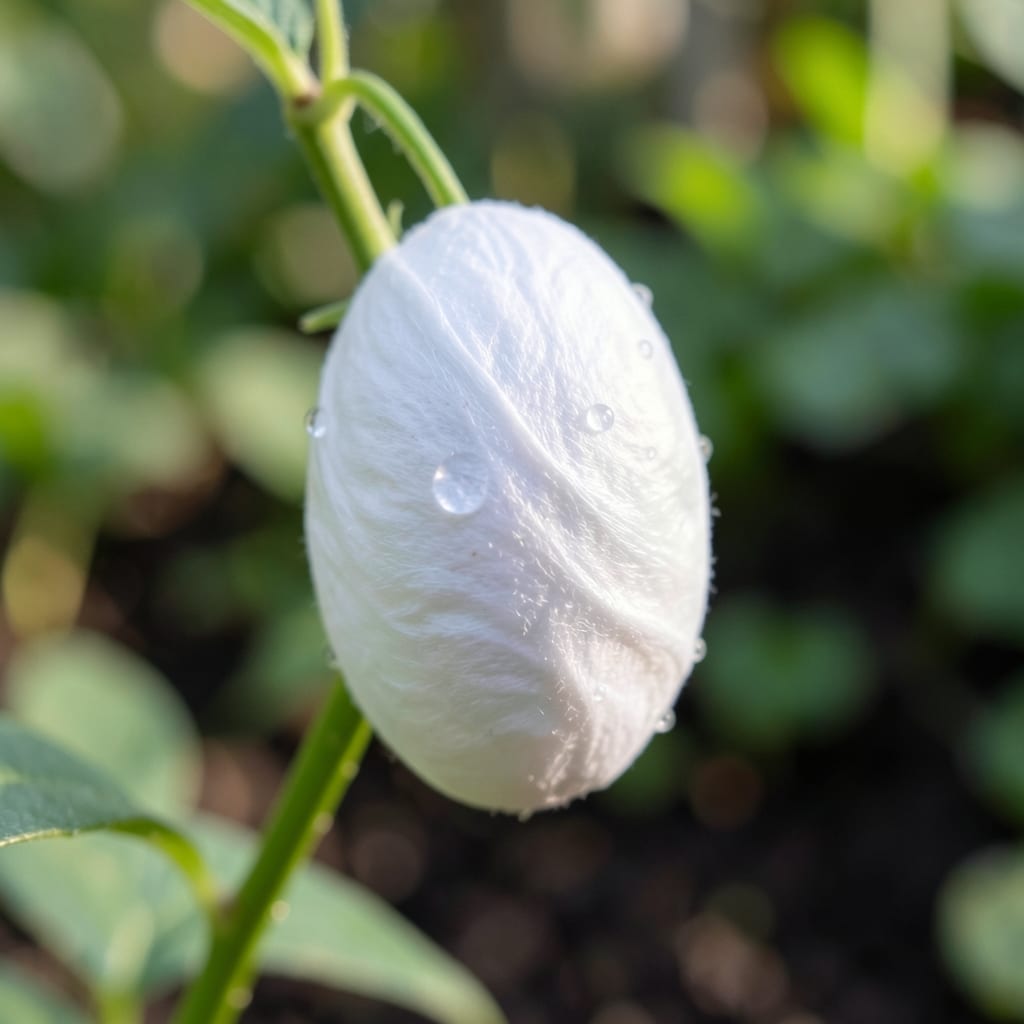
White cocoons clinging to tree bark or garden furniture are never a good sign. These silky pods mean moth larvae are preparing to multiply, and ignoring them guarantees future damage to your plants and fabrics.
I’ve found that early spring and late fall are the best times to check for these pests. A quick inspection of trunks, branches, and outdoor gear can save you weeks of frustration later.
Manual removal works surprisingly well—just scrape them off with a dull knife or stiff brush. For stubborn cases, a soap-and-water spray disrupts their life cycle without harsh chemicals.
Prevention is simpler than you think. Keep your garden tidy, store outdoor cushions inside during off-seasons, and introduce natural predators like birds to your yard.
Understanding why white moth cocoons appear is key to preventing infestations. These silky structures are a sign of moth lifecycle progression, often triggered by specific environmental or behavioral factors. Below are the primary causes, explained scientifically.
Moths thrive in warm, humid, and dark spaces. Temperatures between 70–80°F (21–27°C) with 60–80% humidity accelerate their reproduction. Closets, pantries, and basements—where fabrics, grains, or stored foods are kept—provide the perfect breeding ground for larvae to spin cocoons.
Female moths lay eggs near organic materials their larvae can consume. Common targets include:
Without these, larvae starve, but their presence ensures cocoon formation as they mature.
Open containers, unsealed bags, or infrequently cleaned storage areas invite moth infestations. Larvae can chew through cardboard, plastic, and even thin fabrics to access food. Poor ventilation traps moisture, further encouraging cocoon development.
In the wild, moth populations are controlled by parasitic wasps, birds, and spiders. In homes, the absence of these predators allows moths to proliferate unchecked. Without intervention, a single female can lay 100–400 eggs in her lifetime, leading to widespread cocoon formation.
Dealing with a white moth cocoon infestation can be frustrating, but these practical steps will help you tackle the issue effectively and keep your space pest-free.
By combining removal and prevention, you can keep your home free from white moth cocoons and the damage they cause.
Check for movement or warmth when touched. Active cocoons often feel slightly warm to the touch. If it’s hard and cold, it may be empty or dead.
Yes, but wear gloves and dispose of them immediately in a sealed bag. Squishing can release eggs, so it’s safer to vacuum or freeze them first.
Cedar blocks, lavender sachets, or essential oils like rosemary work well. Place them in closets or storage areas to deter moths naturally.
Check stored items seasonally, especially in spring and fall. Early detection prevents infestations from spreading.