
Beautiful Plants For Your Interior
Beautiful Plants For Your Interior
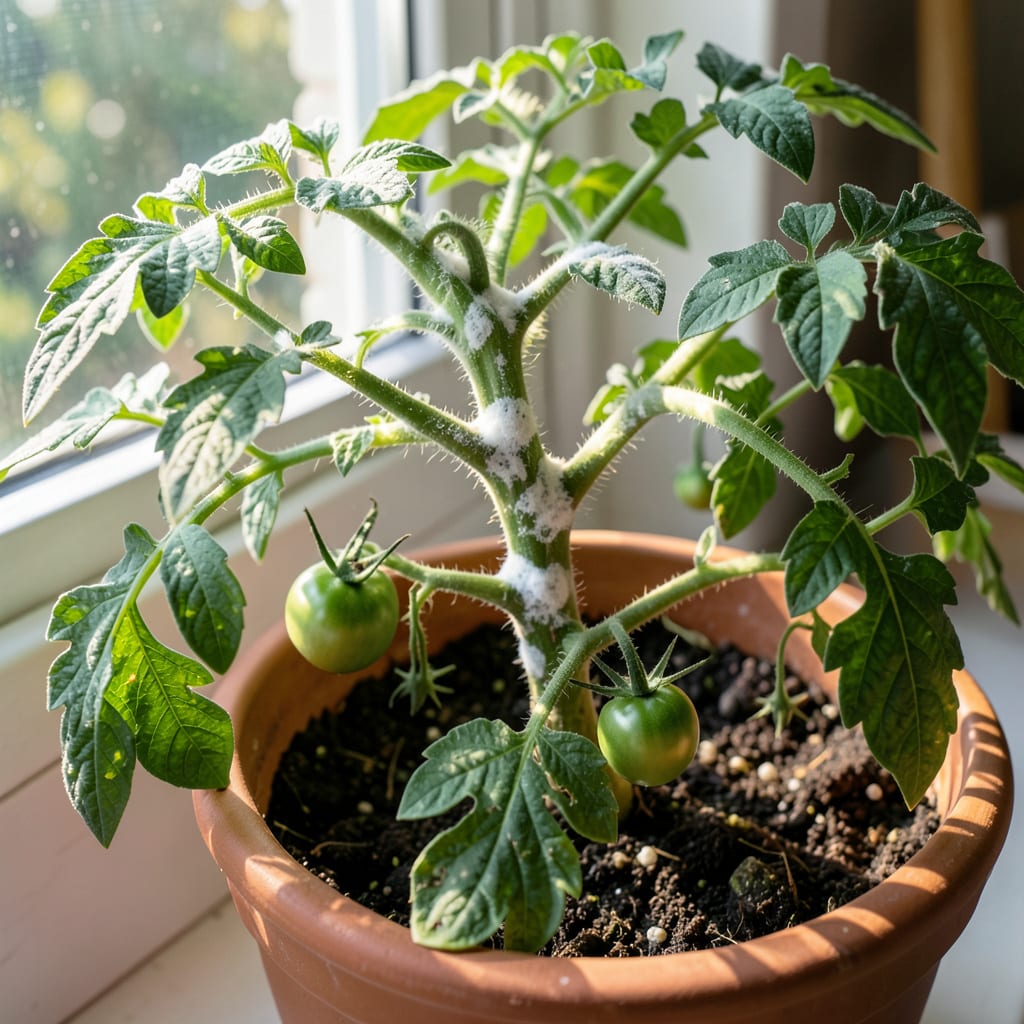
That white fuzz creeping up your tomato stems isn’t just unsightly—it’s a garden emergency. I’ve lost entire plants overnight to this silent killer, and the worst part? It spreads faster than you’d think possible.
This isn’t your average powdery mildew. The mold thrives in cool, damp conditions, often appearing after heavy rains or overwatering. One morning you notice a fuzzy patch, and by evening it’s climbing the main stem like a bad habit.
Here’s the thing—catch it early and you can save your plants. Organic solutions work, but timing is everything. I’ve tested baking soda sprays, neem oil, and even milk treatments with real success.
Prevention is simpler than treatment. Proper spacing, morning watering, and removing infected leaves immediately can stop this before it starts. Let’s tackle this head-on.
White mold on tomato plant stems is a common issue caused by the fungal pathogen Sclerotinia sclerotiorum. This disease thrives under specific environmental and cultural conditions. Below are the primary reasons it occurs:
Fungal spores germinate and spread rapidly in environments with relative humidity above 85% and prolonged leaf wetness. Overhead watering, poor air circulation, or dense plant spacing creates the perfect damp conditions for white mold to take hold. Sclerotinia thrives in wet foliage, so avoiding overhead irrigation and improving airflow can significantly reduce risk.
White mold is most aggressive in temperatures between 50–75°F (10–24°C). Cool, wet springs or falls provide ideal conditions for infection. Tomato plants grown in cooler climates or during off-seasons are especially vulnerable. Using row covers or planting in warmer microclimates can help mitigate this.
The fungus survives in soil and on decaying plant matter as hard, black sclerotia (resting structures). If infected debris is left in the garden, it can release spores that infect new plants. Crop rotation (avoiding tomatoes or related plants in the same spot for 3+ years) and removing all plant residue after harvest are critical preventive measures.
Some tomato cultivars are more prone to white mold due to genetic vulnerability. Heirloom and determinate varieties often lack resistance compared to hybrid or disease-resistant types. Selecting Sclerotinia-tolerant seeds or transplants can reduce infection rates.
Dense plantings restrict airflow, trapping moisture and creating a microclimate that fosters fungal growth. Spacing tomato plants at least 2–3 feet apart and pruning excess foliage improves ventilation, making it harder for white mold to establish.
White mold on tomato stems is treatable if you act fast. Below are targeted solutions for each common cause, plus prevention tips to keep your plants healthy.
Thin out dense foliage with clean pruners to let air circulate. Space plants 18–24 inches apart and stake vines to keep them off the ground. Prevention tip: 💡 Plant in raised beds or well-ventilated areas to reduce humidity buildup.
Water at the base of plants early in the day so foliage dries quickly. Use drip irrigation to avoid wetting stems. Prevention tip: 🌡️ Mulch with straw to prevent soil splashing onto stems, which can spread spores.
Pull and burn or trash (do not compost) any stems or leaves showing white, fuzzy growth. Disinfect tools with rubbing alcohol between cuts. Prevention tip: ✨ Rotate crops yearly to break the mold’s life cycle.
Spray neem oil or baking soda solution (1 tbsp baking soda + 1 tsp dish soap + 1 gallon water) every 7–10 days. Prevention tip: 🎯 Start treatments at the first sign of damp weather, even if no mold appears yet.
Generally no, but avoid inhaling spores. Wear gloves when removing infected plants and wash hands afterward. Never burn infected material if you have respiratory issues.
If over 50% of the stem is covered, it’s best to remove the plant entirely. Early cases can be treated by cutting off affected stems 6 inches below the mold.
Yes, spores travel easily on wind and water. Isolate infected plants immediately and avoid overhead watering to prevent contamination.
