
Beautiful Plants For Your Interior
Beautiful Plants For Your Interior
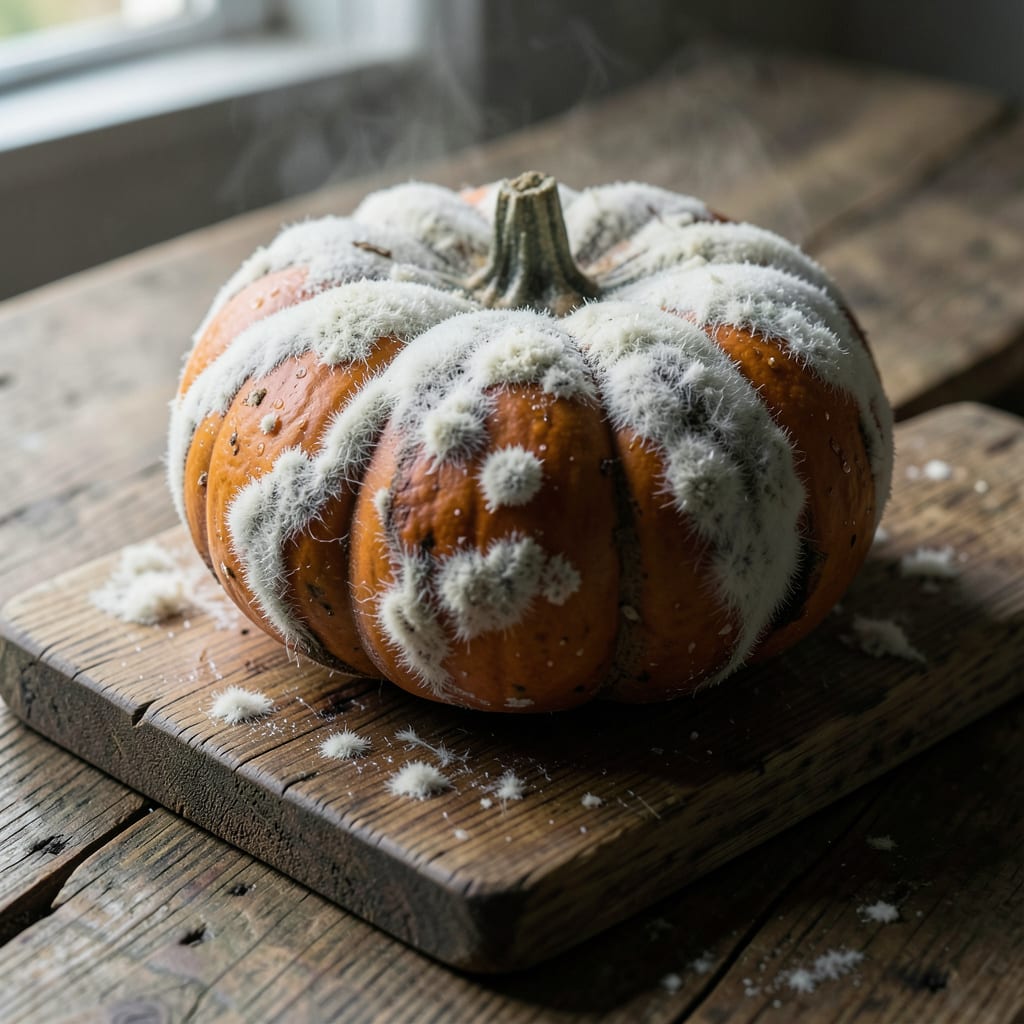
That white powdery coating on your pumpkin leaves isn’t just ugly. It’s a silent killer that can wipe out your entire patch in 2-3 weeks if ignored.
I lost half my crop to this last season before realizing the pattern: it starts as small white spots, then spreads fast across stems and fruit. The good news is catching it early makes all the difference.
You’ll need to act fast with organic treatments and remove infected parts immediately. I’ve tested several methods and found what stops the spread without harsh chemicals.
Works for all pumpkin varieties and similar squash plants. Here’s the exact approach.
White mold on pumpkins is a common fungal issue caused by Sclerotinia sclerotiorum. Several environmental and cultural factors contribute to its development. Below are the primary causes:
High humidity and prolonged wetness create the perfect breeding ground for white mold. Overhead watering, poor drainage, or heavy rainfall can leave pumpkin leaves and vines damp, encouraging fungal spores to germinate and spread. To minimize risk, water at the base of the plant and ensure proper airflow.
White mold thrives in cooler temperatures, typically between 50–75°F (10–24°C). Early fall or late spring plantings are especially vulnerable. If cool, damp conditions persist, the fungus can rapidly infect pumpkin tissues, leading to white, cottony growth.
Dense plantings restrict airflow, trapping moisture and creating a microclimate ideal for fungal growth. Space pumpkin plants at least 3–5 feet apart to allow proper ventilation. Pruning excess foliage can also improve air circulation and reduce humidity around the plants.
Fungal spores can overwinter in decaying plant matter. If previous crops or weeds with white mold are left in the soil, they can reinfect new pumpkin plants. Always remove and destroy infected plant debris, and practice crop rotation to break the fungal life cycle.
White mold on pumpkins can feel alarming, but with the right steps, you can save your crop. Below are targeted solutions for common causes, plus tips to keep your pumpkins healthy long-term.
Thick foliage traps moisture, creating a perfect breeding ground for mold. Thin out dense vines to allow better air circulation. Space plants at least 2–3 feet apart and prune excess leaves, especially at the base. Remove any affected leaves immediately to prevent spread.
White mold thrives in damp conditions. Water at the base of the plant (not overhead) early in the day so leaves dry quickly. Use drip irrigation if possible. If your soil stays soggy, improve drainage by adding compost or raised beds.
If your soil is harboring mold spores, avoid planting pumpkins (or related crops like cucumbers) in the same spot for at least 3 years. Introduce resistant plants like corn or beans to break the cycle. For immediate action, solarize soil by covering it with clear plastic for 4–6 weeks to kill spores.
For active infections, spray with neem oil or a baking soda solution (1 tablespoon baking soda + 1 teaspoon dish soap + 1 gallon of water). Apply every 5–7 days until the mold subsides. Always test on a small area first to avoid plant damage.
💡 Prevention Tips: Mulch with straw to reduce soil splash, clean up plant debris after harvest, and choose mold-resistant pumpkin varieties like ‘Howden’ or ‘Jarrahdale’.
No, do not eat moldy pumpkins. The fungus can produce toxins harmful to humans. Discard any affected fruit and remove infected plant parts immediately to prevent spread.
Under ideal conditions for the fungus, it can infect an entire plant in 2-3 weeks. Early detection and removal of infected areas are critical to saving your crop.
No, composting infected plants can spread spores. Burn or dispose of them in sealed bags instead. Never add diseased plant material to your compost pile.
Apply in the morning so leaves dry quickly. For organic options like neem oil, reapply every 5-7 days or after rain. Evening applications may encourage fungal growth.
