
Beautiful Plants For Your Interior
Beautiful Plants For Your Interior
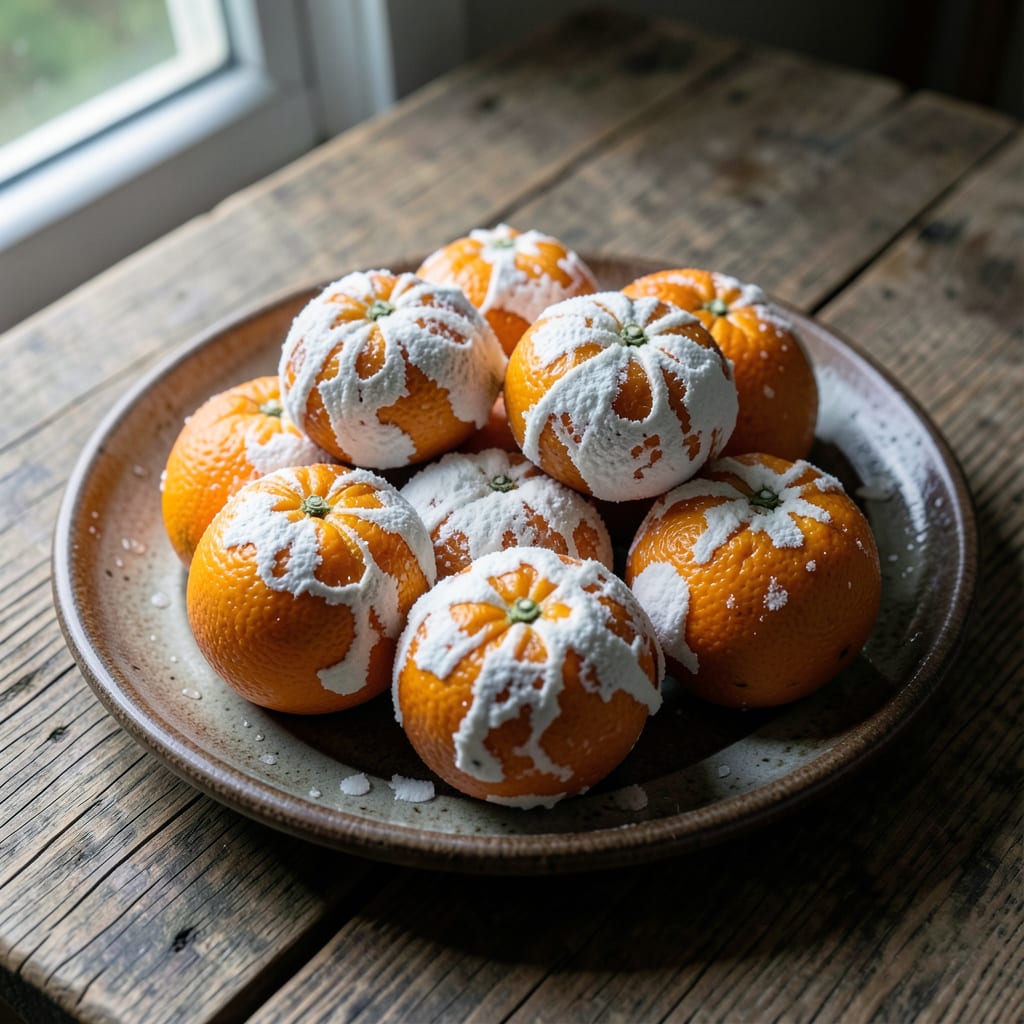
That white stuff on your oranges isn’t just unsightly—it’s stealing your harvest. I first spotted it on my trees last spring and lost a third of my crop before figuring out how to stop it.
This fungus spreads fast in warm, humid conditions, turning fruit into inedible sponges. The good news? You can catch it early with a daily inspection habit and a few simple tools.
Natural treatments work surprisingly well when applied at the first sign. I’ve tested neem oil and baking soda sprays with consistent success, saving most of my remaining fruit.
Prevention starts with airflow and cleanliness. Keep your trees pruned and remove fallen fruit immediately—it’s the easiest way to break the cycle.
White mold on oranges is a common fungal issue caused by several environmental and biological factors. Understanding these causes can help you prevent and manage the problem effectively. Below are the primary reasons why this happens:
The most common culprit is Penicillium digitatum or Penicillium italicum, fungi that thrive in warm, humid conditions. These pathogens infect oranges through microscopic wounds or weak spots in the peel, often during harvest or storage. Once inside, they produce white, cottony mycelium that spreads rapidly.
High humidity (above 85%) and prolonged dampness create the perfect breeding ground for mold. Oranges stored in poorly ventilated areas or exposed to condensation are especially vulnerable. Even excess moisture from washing or rain can trigger spore germination.
Sudden temperature shifts—especially in storage—stress the fruit, weakening its natural defenses. Warm temperatures (77–86°F / 25–30°C) accelerate fungal growth, while cold storage without proper ventilation can trap moisture, worsening the problem.
Bruises, punctures, or cuts from handling, harvesting, or packing break the orange’s protective skin. Fungal spores land in these injuries, leading to infection. Even minor abrasions can allow Penicillium to take hold.
Mold spreads easily in storage boxes, crates, or refrigerators that previously held infected fruit. Spores linger on surfaces, infecting new batches of oranges if not cleaned thoroughly.
Addressing these root causes—through proper handling, controlled storage conditions, and hygiene—can significantly reduce the risk of white mold on your citrus.
Dealing with white mold on oranges requires quick action to prevent spread. Here’s how to tackle the most common causes and restore your fruit’s freshness.
If the mold stems from overripe or bruised oranges, discard affected fruit immediately to stop spores from spreading. Inspect the rest of the batch and separate any with soft spots or cracks. Store the remaining oranges in a cool, dry place with good airflow—like a mesh bag or open basket—to reduce moisture buildup.
Mold thrives in damp environments. Wipe oranges dry before storing them and avoid plastic bags, which trap humidity. Use a paper towel to line storage containers, absorbing excess moisture. For long-term storage, keep oranges in the crisper drawer of your fridge, where humidity levels are controlled.
Prevention tip: 💡 Never wash oranges until right before eating—extra moisture speeds up mold growth.
Crowded fruit leads to poor airflow, creating a mold-friendly zone. Space out oranges in a single layer or use a ventilated container. If storing in bulk, check the batch weekly and rotate positions to ensure even air exposure.
If mold originated from dirty storage areas, sanitize shelves, bins, or fridge drawers with a mix of 1 tablespoon baking soda per quart of water. Dry completely before restocking. For stubborn spores, use a vinegar solution (1:1 vinegar and water) for a natural disinfectant.
Pro tip: ✨ Wipe down storage spaces regularly, even if no mold is visible.
No, discard any fruit showing mold. Even if the flesh seems fine, invisible spores may have spread. Consuming moldy citrus can cause stomach upset or allergic reactions.
Isolate affected oranges immediately. Store remaining fruit in a cool, dry place with good airflow, like a mesh bag. Avoid plastic containers that trap moisture.
Yes! A 1:1 vinegar-water solution effectively kills spores on shelves or bins. Scrub surfaces, then dry thoroughly before restocking. This natural method avoids harsh chemicals.
