
Beautiful Plants For Your Interior
Beautiful Plants For Your Interior
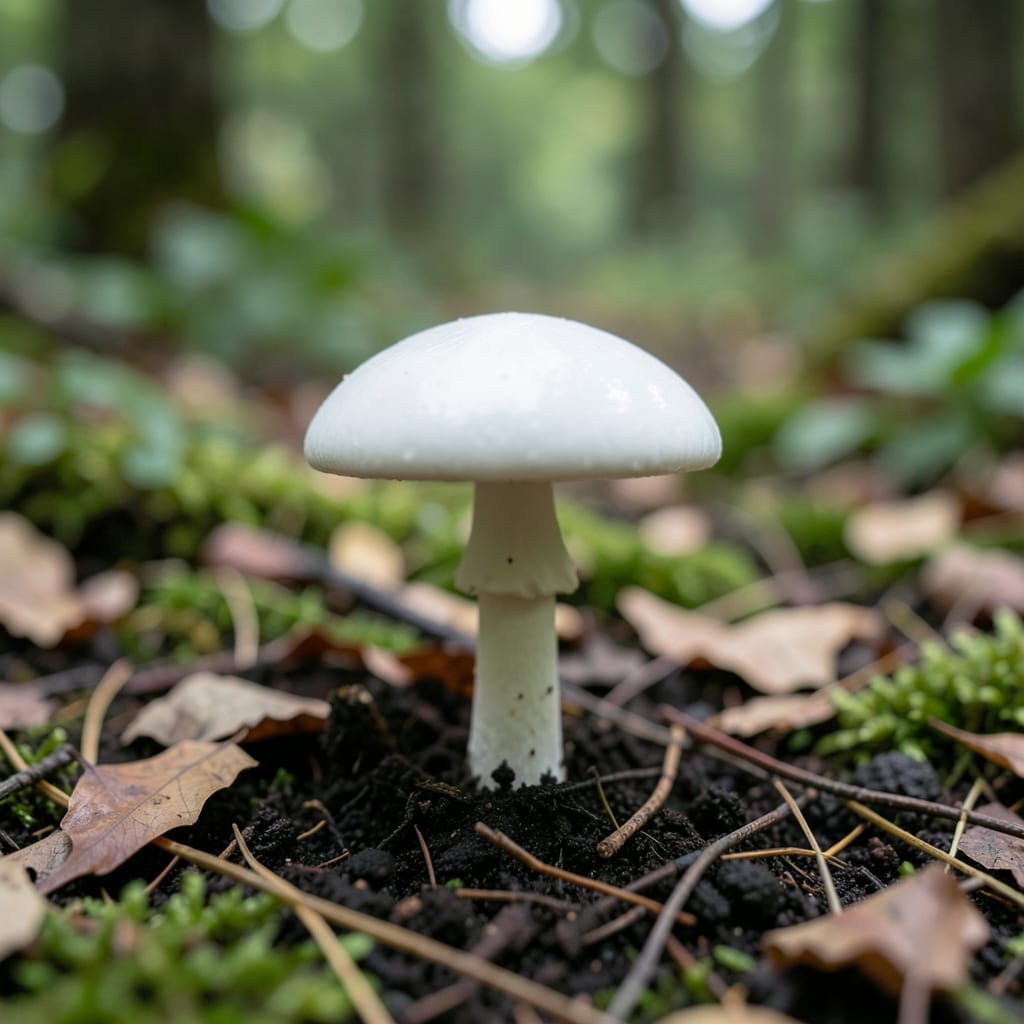
Spotted white fuzz on your soil or plants? That’s likely white mold, and it spreads fast if ignored.
I first noticed these fluffy white balls in my potted herbs last summer. Within days, they multiplied into a cottony layer that threatened my entire collection. The key is catching it early before it takes over your garden space.
This isn’t just unsightly—it can choke plant roots and steal nutrients. The good news? It’s 100% treatable with the right approach, and prevention is simpler than you’d think once you know the cause.
Works for indoor plants, outdoor beds, and container gardens. Here’s how to stop it in its tracks.
White mold balls, those fuzzy or powdery growths, often appear due to specific environmental and biological triggers. Understanding these causes helps prevent and address infestations effectively. Below are the primary reasons behind their formation:
Mold thrives in moist environments. When indoor humidity exceeds 60%, spores absorb moisture from the air and begin growing. Poor ventilation in bathrooms, basements, or kitchens exacerbates this, creating ideal conditions for white mold balls to form on organic surfaces like wood, fabric, or food.
White mold feeds on decomposing organic matter. Common targets include bread, cheese, leather, or damp wood. Even dust or pet dander can serve as a food source if moisture is present. Regular cleaning and proper food storage are critical to starve mold before it spreads.
Stagnant air traps moisture and prevents surfaces from drying. Closets, attics, and behind furniture are hotspots for mold growth. Using fans, dehumidifiers, or open windows disrupts this cycle, reducing the likelihood of white mold balls taking hold.
Undetected leaks in pipes, roofs, or windows introduce constant moisture. Within 24–48 hours, mold spores can colonize wet drywall, carpet, or insulation. Immediate repairs and thorough drying are essential to halt growth.
Mold spores are naturally present in the air and soil. They hitch rides indoors via shoes, pets, or open windows. Once inside, they settle on damp surfaces and germinate. HEPA air purifiers and regular HVAC filter changes can minimize spore infiltration.
Dealing with white mold balls? Here’s how to tackle each cause directly and keep them from coming back.
Mold thrives in stagnant, humid air. Open windows daily to circulate fresh air, and use fans to keep moisture moving. For enclosed spaces like basements or closets, consider a dehumidifier to maintain humidity below 50%. Prevention tip: 💡 Leave gaps between stored items and walls to allow airflow.
Leaks, condensation, or damp materials are mold magnets. Fix plumbing leaks immediately, and wipe down wet surfaces within 24-48 hours. Use moisture absorbers like silica gel or calcium chloride in prone areas. Prevention tip: 🌡️ Regularly check under sinks, around pipes, and in attics for hidden dampness.
Mold feeds on decaying leaves, wood, or fabric. Remove visible mold balls with a HEPA vacuum or damp cloth (wear gloves!). For porous materials like drywall or carpet, replace if heavily infested. Prevention tip: ✨ Store firewood, paper, and fabrics in dry, elevated areas.
Overwatered soil or poor drainage can spawn mold. Repot plants with fresh, sterile soil and ensure pots have drainage holes. Water only when the top inch of soil is dry. Prevention tip: 🎯 Use a moisture meter to avoid overwatering.
It’s best to avoid direct contact. Wear gloves when handling, as some molds can cause skin irritation or allergic reactions. Wash hands thoroughly after any exposure.
Under ideal conditions, visible growth can appear within 24-48 hours. In high humidity with organic material present, they may multiply rapidly across surfaces.
Yes, white vinegar is an effective natural solution. Use undiluted vinegar in a spray bottle, let sit for 1 hour, then wipe clean. Its acidity kills most mold spores.
Recurring growth usually means moisture or organic food sources remain. Check for hidden leaks or poor ventilation, and remove all affected materials completely.