
Beautiful Plants For Your Interior
Beautiful Plants For Your Interior
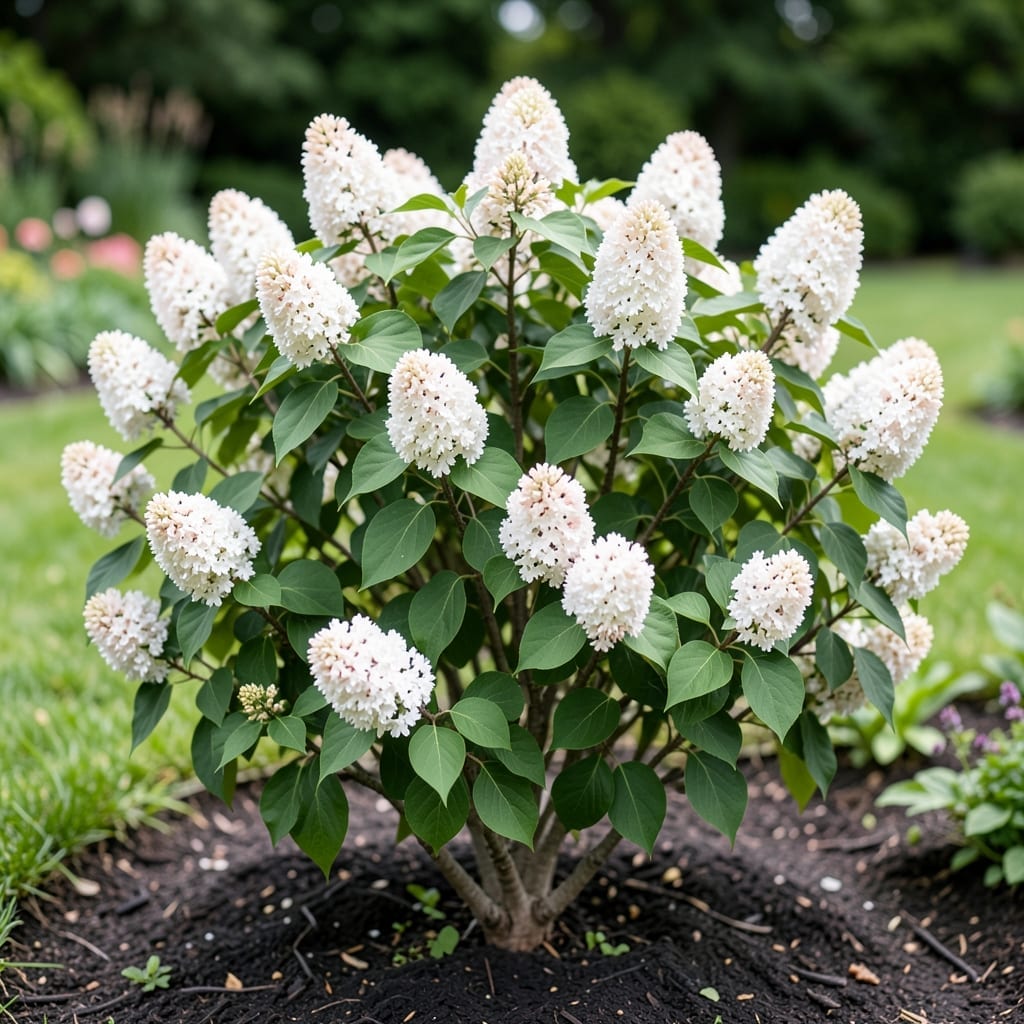
White lilac color ranges from pure ivory to soft cream, often with subtle hints of pale yellow or green. It creates a fresh, elegant look in gardens and works well with other pastel blooms.
I love how these delicate tones can transform a garden space with their understated beauty. The soft color palette allows for incredible versatility in landscape design, complementing everything from deep greens to vibrant purples. What makes them special is their ability to brighten shady areas while maintaining a timeless charm. ✨
💡 In This Article
The color of white lilacs shifts due to soil chemistry. In acidic soils (pH 5.5-6.5), blooms lean toward ivory with green undertones, while alkaline conditions (pH 7.0-8.0) produce creamier shades. The plant’s ability to absorb aluminum in acidic environments directly impacts pigment expression, creating those subtle greenish hints. 🌟
Sunlight intensity plays a crucial role in color development. Full sun exposure (6+ hours daily) tends to bleach pigments slightly, resulting in purer white tones. Partial shade preserves more of the natural cream and yellow undertones. I’ve noticed morning sun with afternoon shade produces the most balanced color expression in my garden trials. ✨
Cultivar genetics create the most dramatic variations. The ‘Alba’ variety consistently produces the purest white blooms, while ‘Sensation’ often shows pale yellow centers. Age matters too—younger blooms appear more cream-colored, while mature flowers lighten to near-white as they open fully. The transformation happens over 3-5 days during the blooming cycle. 💫
Environmental stress can also affect color. Drought conditions may intensify yellow undertones as the plant conserves water, while cool spring temperatures (below 50°F) can enhance the greenish hues. These variations add depth to the garden palette, creating natural ombré effects across a single bush. 🔥
What most gardeners don’t realize is that bloom maturity changes throughout the day. Early morning flowers often appear more cream-colored, while those open in full afternoon sun take on a brighter, almost translucent white quality. This daily transformation makes white lilacs particularly dynamic in the landscape. ⚡
Acidic soil (pH 5.5-6.5) causes this subtle green tint. The plant absorbs aluminum from the soil, which affects pigment expression. Testing your soil and adding lime can help shift the color toward purer white tones.
Plant them in full sun (6+ hours daily) and pair with silver-leafed companions like lamb’s ear. The contrast makes the pale blooms appear more luminous. Avoid deep shade, which can mute their natural brightness.
The ‘Alba’ variety consistently produces the purest white blooms with minimal undertones. It’s a reliable choice for gardeners seeking that classic, clean white appearance throughout the blooming season.
Yes! Younger blooms appear cream-colored, then lighten to near-white over 3-5 days. You’ll also notice daily changes: morning flowers look creamier, while afternoon blooms appear more translucent.