
Beautiful Plants For Your Interior
Beautiful Plants For Your Interior
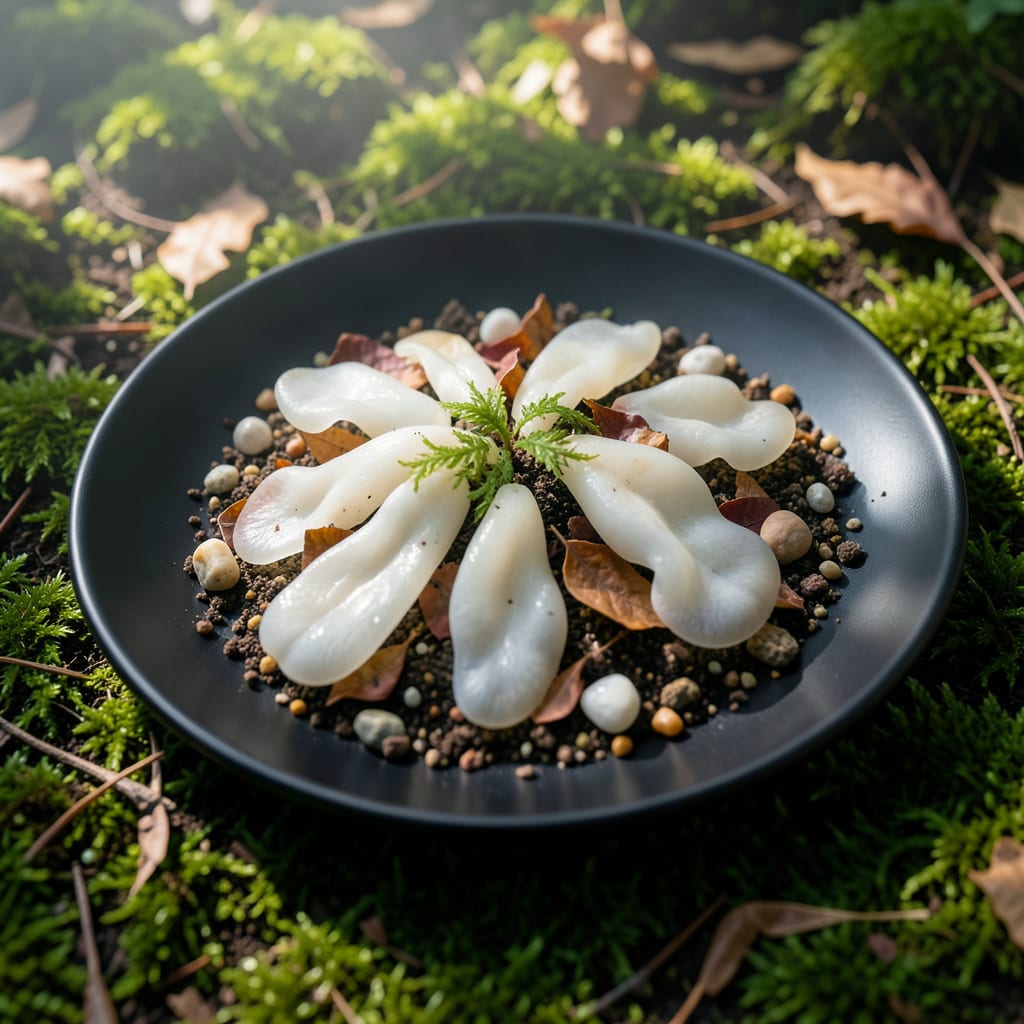
Spotted white fuzz spreading across your soil? I’ve seen this in my own garden and it’s generally not as scary as it looks.
That cottony growth is usually harmless mycelium or a sign of excess moisture. Most cases clear up with better drainage and airflow. The key is catching it before it spreads to plants.
You can treat it naturally with baking soda sprays or by adjusting your watering schedule. The fix often takes less than a week to show results.
Works for lawns, garden beds, and container plants. Here’s how to handle it without harsh chemicals.
White fungus on the ground often appears due to a mix of environmental and biological triggers. Below are the most common causes, explained in simple, actionable terms.
Fungi thrive in damp conditions. Overwatering, poor drainage, or high humidity create the perfect breeding ground for white fungal growth. Areas with standing water or consistently wet soil are especially vulnerable. Action: Improve drainage and reduce watering frequency.
Decaying leaves, wood, or plant matter provide nutrients for fungi. When organic material accumulates on the ground, it invites fungal spores to settle and multiply. Action: Regularly clear fallen leaves, twigs, and dead plants to limit food sources.
White fungi often proliferate in mild to warm climates (60–80°F). These temperatures accelerate spore germination and growth. Shaded, moist areas in such climates are hotspots. Action: Increase sunlight exposure or use shade-tolerant ground covers to compete with fungi.
Compacted or nutrient-poor soil weakens plants, making them more susceptible to fungal infections. Fungi can also dominate when beneficial soil microbes are out of balance. Action: Aerate the soil and add compost to boost microbial diversity.
Fungal spores travel easily via wind, water, or contaminated tools. Once they land in a favorable environment, they quickly establish colonies. Action: Sanitize gardening tools and avoid moving soil from infected areas.
Tackling white fungus on your soil doesn’t have to be a daunting task. Below are practical, organic solutions tailored to common causes, along with tips to keep your ground fungus-free in the future.
If excess moisture is the culprit, start by reducing watering frequency and ensuring your soil has proper drainage. Use a garden fork to aerate compacted soil, or mix in organic matter like compost or perlite to improve structure. For potted plants, ensure containers have drainage holes and use a well-draining potting mix.
White fungus thrives on decomposing leaves, mulch, or wood. Rake up and dispose of any organic debris where the fungus is growing. Replace old mulch with fresh, high-quality mulch, and avoid piling it too thickly around plant stems. This reduces the damp, shaded environments fungus loves.
Fungus often appears in shady, damp spots. Trim back overgrown plants or trees to allow more sunlight to reach the soil. If the area is naturally shaded, consider planting shade-tolerant ground covers that compete with fungus, like clover or moss, which can outcompete the growth.
With these steps, you can eliminate white fungus and create a healthier environment for your plants to thrive!
Most white ground fungi are harmless mycelium, but some can compete with plants for nutrients. If it spreads to plant stems or leaves, treat it promptly to prevent damage.
Improve drainage, remove organic debris, and water in the morning. These steps reduce moisture and limit fungal food sources.
A baking soda spray (1 tsp per quart of water) works quickly. Apply directly to affected areas and repeat every 3-5 days until gone.
