
Beautiful Plants For Your Interior
Beautiful Plants For Your Interior
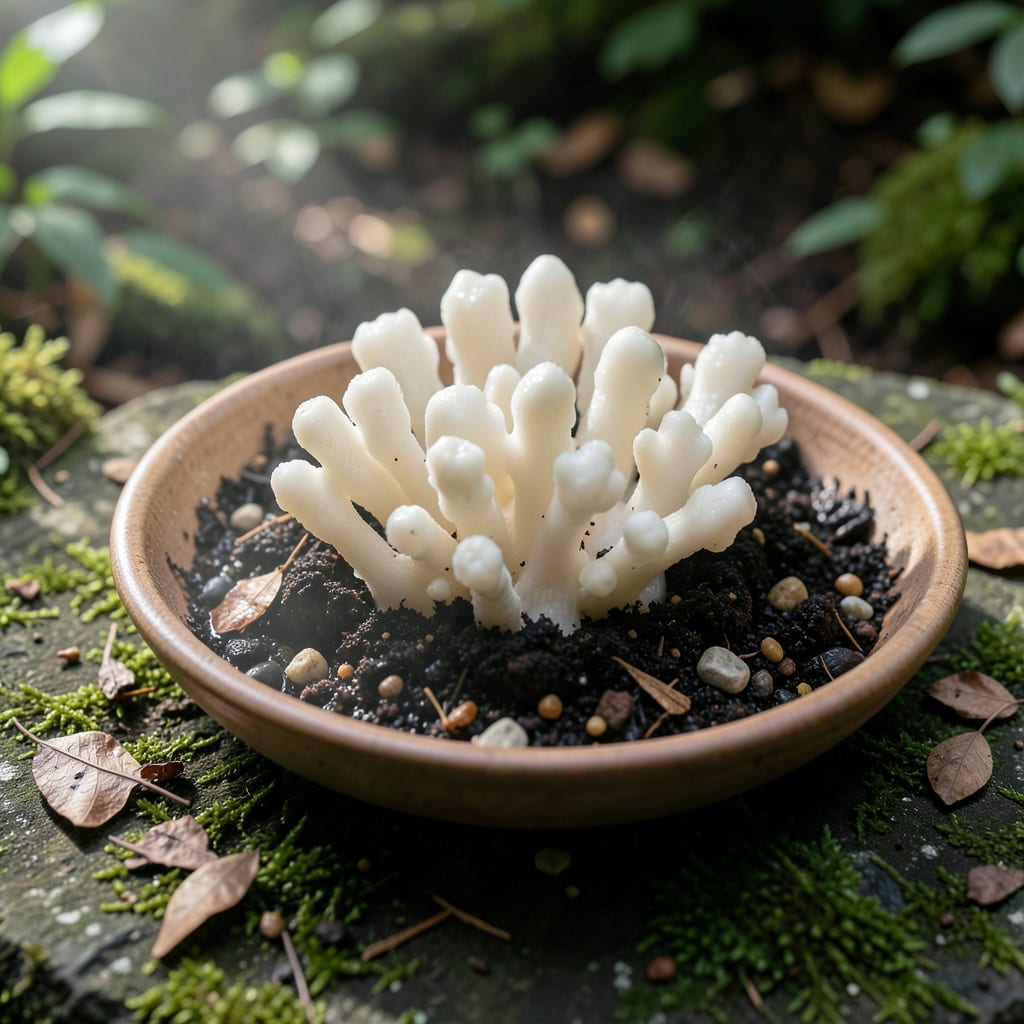
I spotted that white webbing in my seedling trays last spring and panicked. Turns out, most white fungus in soil isn’t the disaster it looks like—it’s often just nature’s cleanup crew at work.
Here’s the thing—some types help break down organic matter, while others can strangle young roots. The difference comes down to texture and location. My rule is simple: if it looks fuzzy or spreads fast, it’s time to act.
With a few adjustments to moisture and airflow, I cleared it in 48 hours. The same fix prevents it from coming back next season. No fancy equipment, just consistent habits.
Works for houseplants, vegetable beds, and container gardens. Here’s exactly what to do when you see those first white strands.
White fungus in soil often appears due to specific environmental and biological factors. Understanding these causes helps you address the issue effectively.
Overwatering or poor drainage creates a damp environment where fungi thrive. Soggy soil lacks oxygen, promoting the growth of white, thread-like hyphae (fungal structures). This is especially common in clay-heavy or compacted soils that retain water.
Fungi naturally break down organic material like wood chips, leaves, or compost. If your soil has high organic content, white fungi may emerge as part of the decomposition process. This is harmless in most cases but can spread if conditions remain too wet.
White fungi favor temperatures between 70–85°F (21–29°C) and high humidity. Greenhouses, terrariums, or outdoor gardens in tropical climates are hotspots for fungal growth. Proper ventilation and moisture control can limit this.
Spores are always present in soil but stay dormant until triggered by moisture and nutrients. Disturbing contaminated soil (e.g., during repotting) can activate them, leading to visible white growth.
Stagnant air traps moisture and heat, creating an ideal breeding ground. Potted plants with dense foliage or crowded garden beds often suffer from this issue. Pruning and spacing plants improves airflow.
Tackling white fungus in soil starts with identifying the root cause and applying targeted solutions. Below are practical fixes for common scenarios, along with prevention tips to keep your soil healthy long-term.
Fungus thrives in soggy soil. Stop watering immediately and let the top 1-2 inches of soil dry out. Improve drainage by amending the soil with perlite or coarse sand. For potted plants, ensure containers have drainage holes. Prevention tip: Water only when the topsoil feels dry to the touch, and use a well-draining potting mix.
Stagnant air encourages fungal growth. Space out plants to allow airflow, and prune dense foliage. If indoors, use a small fan to circulate air gently. Outdoors, avoid overcrowding garden beds. Prevention tip: Regularly thin out seedlings and avoid over-planting in small areas.
Decaying leaves or wood chips can harbor fungus. Rake up and discard any visible debris from the soil surface. Replace old mulch with fresh, sterile mulch. Prevention tip: Keep garden beds clean and avoid letting organic matter pile up.
For persistent fungus, use a natural fungicide like neem oil, hydrogen peroxide (3% solution), or baking soda spray (1 tsp baking soda + 1 quart water + a drop of dish soap). Apply in the early morning or late evening to avoid leaf burn. Prevention tip: Rotate crops annually to prevent fungal buildup in the soil.
💡 Pro Tip: Sterilize gardening tools with rubbing alcohol between uses to avoid spreading spores to healthy plants.
Most white fungi are harmless decomposers, but some can harm roots. Remove visible growth and adjust moisture levels. If plants show wilting or yellowing, repot in fresh soil.
Improve drainage with perlite, space plants for airflow, and avoid overwatering. Use sterile potting mix and clean debris regularly.
A diluted white vinegar solution (1 part vinegar to 4 parts water) can help, but test on a small area first. It may alter soil pH, so use sparingly.
