
Beautiful Plants For Your Interior
Beautiful Plants For Your Interior
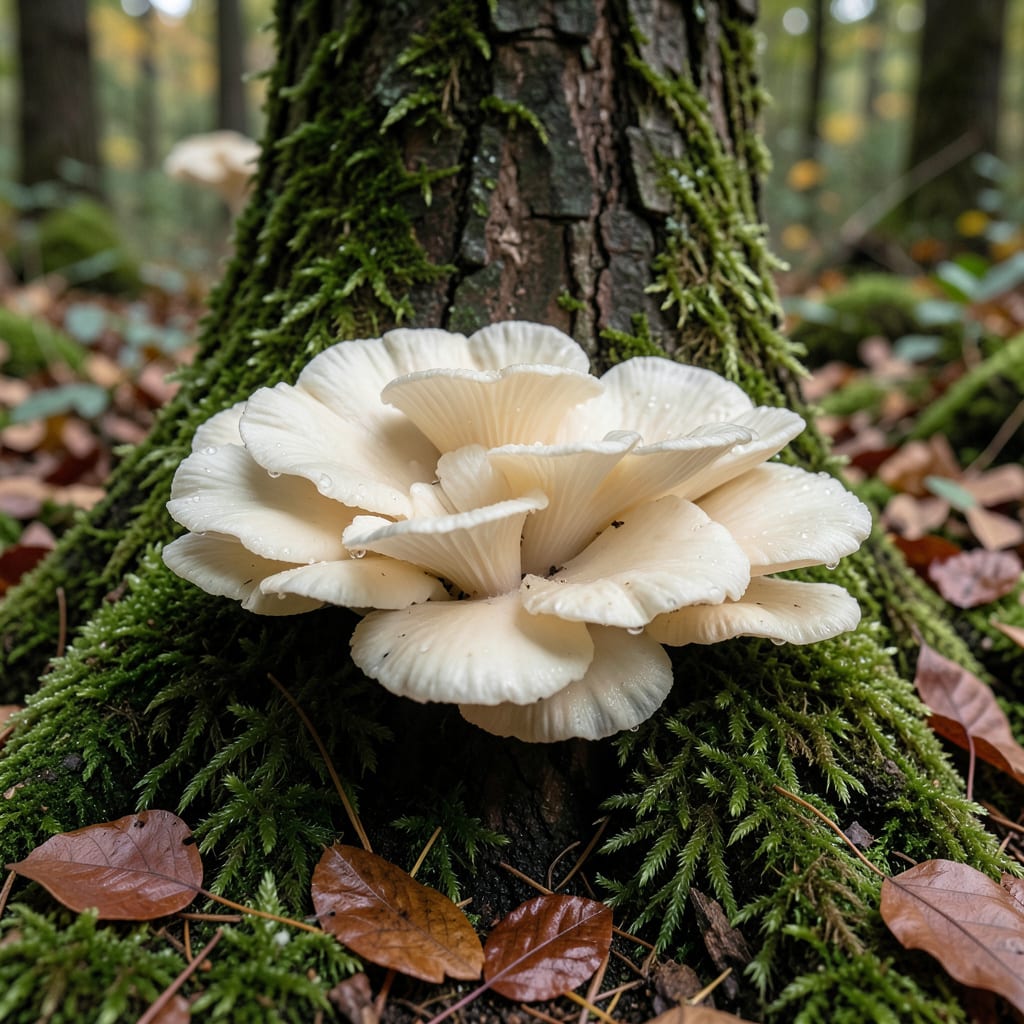
That white stuff at your tree’s base isn’t snow in July. I’ve seen it wipe out mature trees in one season when ignored, but early action saves them every time.
It’s often a fungal infection feeding on decaying wood or stressed roots. The good news? You can spot the difference between harmless mushrooms and dangerous pathogens with a quick inspection. No fancy tools needed.
Removal starts with improving drainage and airflow around the trunk. A little elbow grease and the right approach usually stops the spread within 2-3 weeks.
Works for oaks, maples, pines—any tree showing these signs. Here’s exactly how to handle it without harming your landscape.
White fungus at the base of a tree often signals an underlying issue with the tree’s health or its environment. Below are the most common causes, explained with scientific clarity to help you address the problem effectively.
Fungi thrive in damp conditions. Overwatering, poor soil drainage, or heavy rainfall can create a waterlogged environment around the tree’s roots. This excess moisture reduces oxygen availability in the soil, stressing the tree and making it susceptible to fungal infections. Saturated soil is a prime breeding ground for white fungi like Armillaria or Ganoderma, which decompose organic matter, including tree roots.
White fungus often appears when there’s an abundance of decomposing material, such as fallen leaves, mulch, or dead roots near the tree base. Fungi are nature’s recyclers, breaking down organic debris. However, when this process occurs too close to a living tree, it can spread to the tree’s bark or roots, leading to root rot or canker diseases. Properly clearing debris can prevent this.
A tree under stress—due to drought, physical damage, or nutrient deficiencies—is more vulnerable to fungal infections. Stress weakens the tree’s natural defenses, allowing opportunistic fungi to colonize its base. Common stressors include compacted soil (limiting root growth) or improper pruning (creating entry points for pathogens). Strengthening tree health through proper care reduces this risk.
Fungal spores can linger in the soil for years, especially if the area previously hosted infected plants. Contaminated soil introduces pathogens to new trees planted in the same spot. Testing soil for fungal presence and solarizing the soil (using heat to kill spores) can help break this cycle before planting.
Dealing with white fungus at the base of your tree requires quick action to prevent further damage. Below are targeted solutions based on common causes, along with prevention tips to keep your tree healthy.
If excess moisture is the culprit, reduce watering and ensure the soil has proper drainage. Fix: Amend the soil with compost or sand to improve aeration. Avoid overhead watering to keep the base dry. Prevention tip: 💡 Use a moisture meter to monitor soil hydration levels.
Fungus thrives on rotting leaves, mulch, or wood. Fix: Clear away any organic debris around the tree’s base. Replace old mulch with fresh, well-draining material like pine bark. Prevention tip: ✨ Keep the area clean and rake fallen leaves regularly.
For persistent fungal growth, use a copper-based fungicide or neem oil spray. Apply directly to the affected area and surrounding soil. Fix: Follow the product’s instructions for frequency and dosage. Prevention tip: 🎯 Prune nearby plants to increase airflow and reduce humidity.
A stressed tree is more susceptible to fungus. Fix: Fertilize with a balanced formula to strengthen the tree. Ensure it gets adequate sunlight and water. Prevention tip: 🌡️ Mulch properly (2-3 inches deep, 3-4 inches away from the trunk) to retain moisture without suffocating roots.
Yes, it often indicates root rot or decay. Left untreated, it can weaken and eventually kill the tree by attacking its root system and bark. Immediate action is crucial to prevent permanent damage.
Look for soft, discolored wood at the base or wilting leaves. Healthy trees resist most fungi, but stressed ones show these signs. Check for a musty smell too—it’s a red flag.
No, scraping it off won’t solve the underlying issue. Focus on improving drainage and removing decaying matter first. Use fungicide only if the problem persists after these steps.
Yes, fungal spores can travel through soil or water. Isolate the affected area and avoid moving soil or tools between plants to prevent contamination.
