
Beautiful Plants For Your Interior
Beautiful Plants For Your Interior
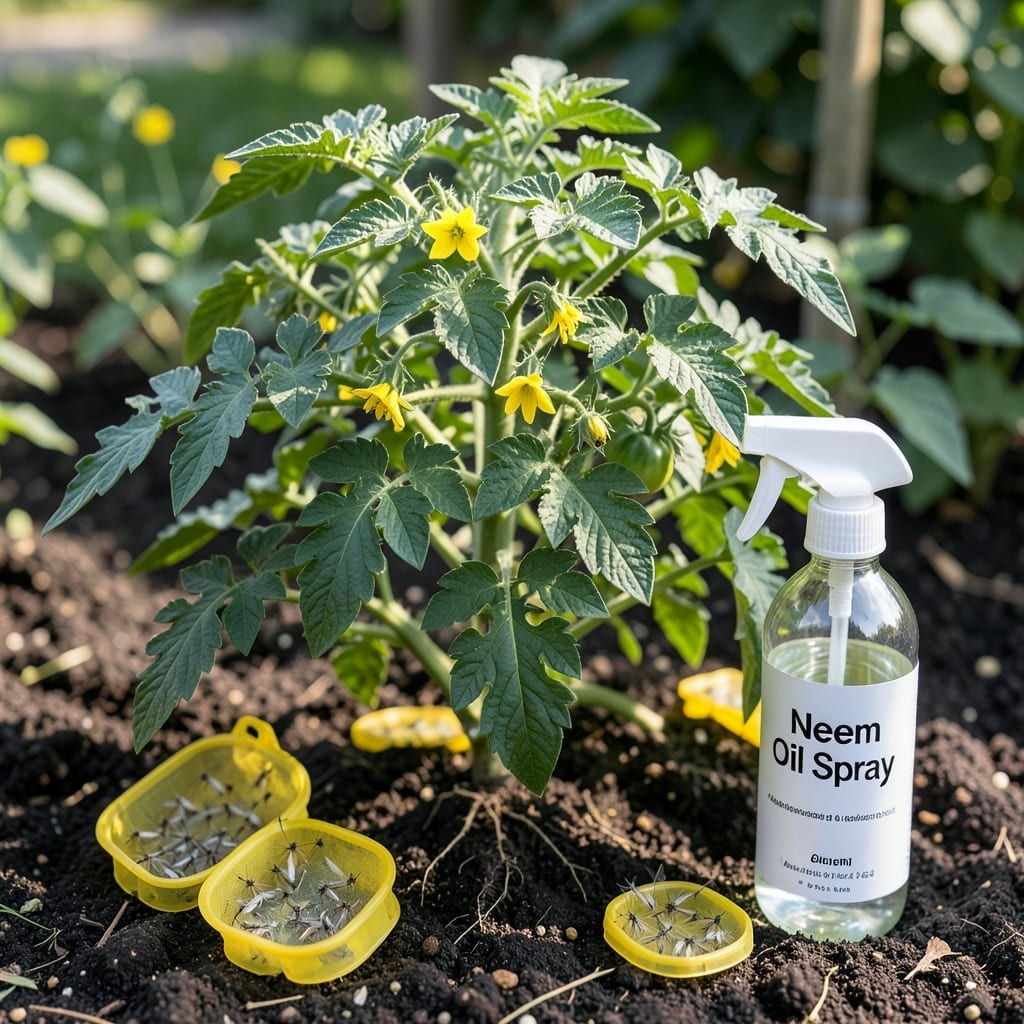
Those tiny white clouds hovering over your plants aren’t pollen. They’re whiteflies, and left unchecked, they’ll drain the life from your garden in 2-3 weeks. I’ve lost entire pepper crops to these pests before learning the organic solutions that actually work.
Here’s the thing—whiteflies love stressed plants in dry, still conditions. The organic fixes are simpler than you think: a blast of water, some sticky traps, and the right beneficial insects can break their life cycle without harsh chemicals.
Within a week of starting treatment, you’ll see fewer adults flying and new growth looking healthier. The key is consistency—hit them at every life stage, from egg to adult, and they can’t recover.
Works for greenhouse plants, indoor collections, and outdoor gardens alike. The methods scale from a single houseplant to a full vegetable patch.
Whiteflies thrive under specific conditions, and understanding their root causes helps in prevention and control. Here are the primary factors that lead to infestations:
Whiteflies reproduce rapidly in warm climates (70–85°F) with high humidity. These conditions accelerate their life cycle, allowing populations to explode. Greenhouses and indoor gardens are especially vulnerable unless airflow and temperature are regulated.
Plants stressed by overcrowding, poor soil, or inadequate light emit signals that attract whiteflies. Weak plants lack natural defenses, making them easy targets. Proper spacing and nutrient-rich soil strengthen plant resistance.
In ecosystems without beneficial insects like ladybugs, lacewings, or parasitic wasps, whiteflies face no natural checks. Overuse of broad-spectrum pesticides can kill these predators, creating an imbalance that favors pest outbreaks.
Decaying plant matter and weeds harbor whitefly eggs and nymphs. Failing to remove infested leaves or debris allows pests to persist across seasons. Regular cleanup and crop rotation disrupt their lifecycle.
Whiteflies can be stubborn, but these targeted solutions will help you regain control of your garden or indoor plants. Below, we break down fixes by cause, along with prevention tips to keep these pests from returning.
Whiteflies thrive in damp environments. If your soil stays soggy, reduce watering and ensure pots have drainage holes. Let the top inch of soil dry out between waterings. Prevention tip: 💡 Use a moisture meter to avoid guesswork.
Introduce beneficial insects like ladybugs, lacewings, or parasitic wasps, which feast on whiteflies. For indoor plants, try yellow sticky traps to catch adults. Prevention tip: 🎯 Plant companion flowers like marigolds or alyssum to attract predator insects.
Harsh pesticides can kill beneficial insects and lead to resistant whitefly populations. Switch to organic treatments like neem oil, insecticidal soap, or a DIY garlic-chili spray (blend 2 garlic cloves, 1 chili pepper, 1L water, and a drop of dish soap). Spray in the early morning or late evening. Prevention tip: ✨ Rotate treatments to prevent resistance.
Whiteflies love still air and tightly packed plants. Space out your plants to improve airflow and use a small fan to disrupt their movement. For greenhouses, install fine mesh screens on vents. Prevention tip: 🌡️ Prune overgrown foliage to reduce hiding spots.
Healthy plants resist pests better. Boost plant vigor with balanced organic fertilizer and proper sunlight. Remove heavily infested leaves or plants to stop the spread. Prevention tip: 🔥 Regularly inspect undersides of leaves for early signs of whiteflies.
Apply neem oil or insecticidal soap every 4-7 days for active infestations. For prevention, a monthly treatment is sufficient. Always spray in the early morning or late evening to avoid harming bees.
No, whiteflies don’t bite humans or pets and aren’t known to transmit diseases. However, their honeydew can attract mold, which may cause mild allergic reactions in sensitive individuals.
They often return due to hidden eggs or nymphs. Focus on consistent treatment and disrupting their life cycle with traps, predators, or airflow. Check undersides of leaves weekly.
Sticky traps catch adults but won’t eliminate eggs or nymphs. Combine them with soil drenches or sprays for full control. Replace traps every 2-3 weeks for best results.