
Beautiful Plants For Your Interior
Beautiful Plants For Your Interior
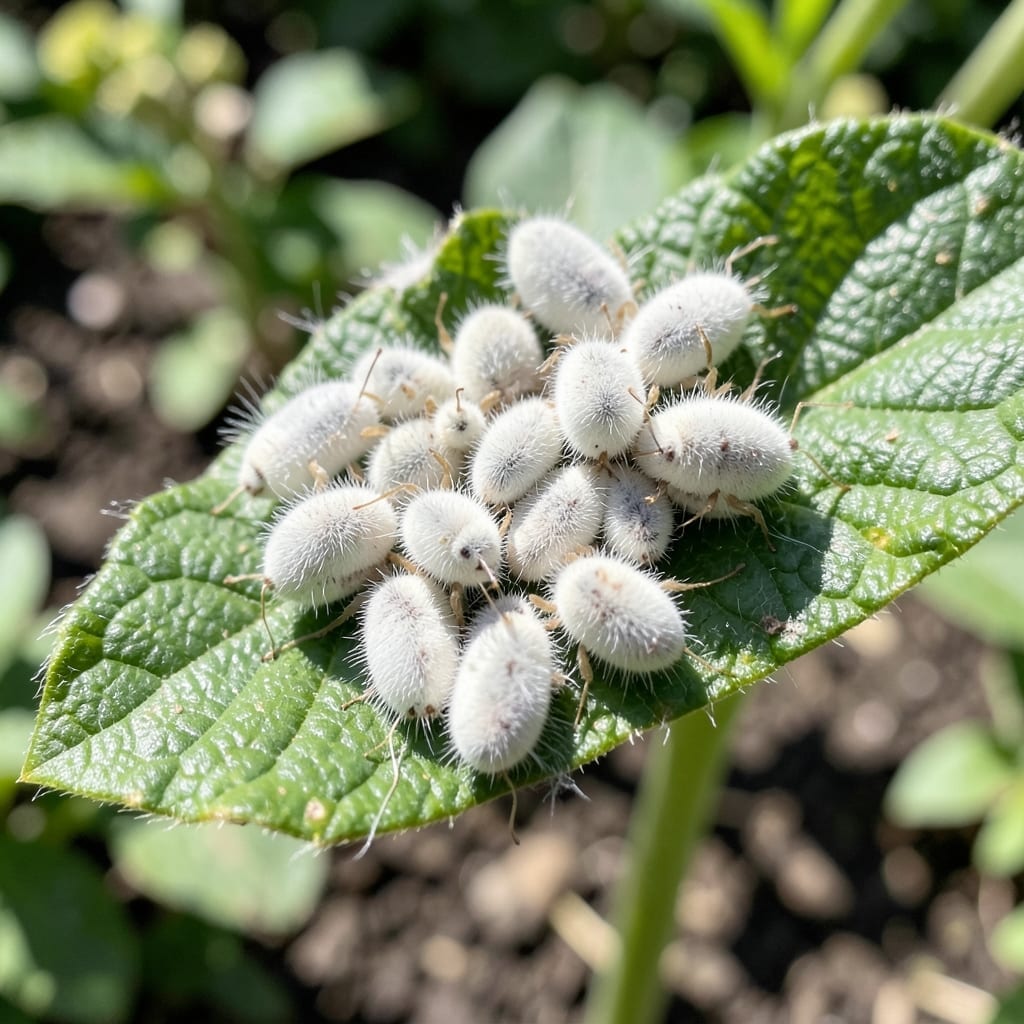
I spotted those cottony clusters on my roses last summer and panicked. Turns out white fluffy insects are mealybugs or cottony scale, and they spread faster than you’d think.
They suck plant juices, leaving behind sticky honeydew and stunted growth. Left unchecked, they’ll weaken even the hardiest shrubs. I lost a prized hibiscus before I learned how to stop them.
Natural solutions work best—soapy water sprays, beneficial insects, and targeted pruning. No harsh chemicals needed. Your plants bounce back within weeks with the right approach.
Prevention is simpler than cure. Regular inspections and good air circulation keep these pests from ever taking hold in your garden.
Understanding why white fluffy insects appear is the first step toward effective prevention. These pests, often mealybugs or woolly aphids, thrive under specific conditions. Below are the primary causes for their infestations:
Excess moisture creates an ideal breeding ground for these insects. Overwatered soil or stagnant water in plant saucers encourages fungal growth, which attracts mealybugs. Action: Ensure proper drainage and let the topsoil dry between waterings.
Stagnant air traps humidity, making plants more susceptible to infestations. Dense foliage or crowded gardens limit airflow, allowing pests to multiply undetected. Action: Prune overgrown areas and space plants adequately to improve ventilation.
These insects thrive in warm, humid environments. Greenhouses or indoor plants near heat sources are especially vulnerable. Action: Use dehumidifiers or fans to regulate humidity levels below 60%.
Plants weakened by poor nutrition, disease, or physical damage are more prone to attacks. Insects target stressed plants because their natural defenses are compromised. Action: Strengthen plants with balanced fertilizers and proper care routines.
Infested soil or unsterilized gardening tools can introduce pests to healthy plants. Mealybugs and woolly aphids often hitchhike on shared equipment. Action: Sterilize tools with rubbing alcohol and inspect new soil for signs of contamination.
Dealing with white fluffy insects like mealybugs or woolly aphids can be frustrating, but these practical solutions will help you regain control. Below are targeted fixes for common causes, along with prevention tips to keep them from returning.
Excess moisture creates the perfect breeding ground for these pests. Fix: Allow the soil to dry between waterings and ensure pots have drainage holes. Repot plants in fresh, well-draining soil if the issue persists.
Prevention: Use a moisture meter to avoid overwatering and opt for terracotta pots, which wick away excess water.
Stagnant air encourages pest infestations. Fix: Move plants to a breezy area or use a small fan to improve airflow. For indoor plants, open windows regularly.
Prevention: Space plants apart to allow air to circulate freely and trim dense foliage to reduce humidity buildup.
Unhealthy plants attract pests more easily. Fix: Strengthen plants with a balanced fertilizer and prune damaged leaves. Remove heavily infested parts to prevent spread.
Prevention: Maintain a consistent care routine—proper light, water, and nutrients—to keep plants resilient.
If pests are already present, act fast. Fix: Wipe leaves with a cotton swab dipped in rubbing alcohol (70% isopropyl) to kill visible insects. For severe cases, apply insecticidal soap or neem oil, following label instructions.
Prevention: Inspect new plants before bringing them home and isolate them for a few weeks to monitor for pests.
With these steps, you can tackle white fluffy insects effectively and keep your plants thriving. 💡 Pro tip: Regularly check the undersides of leaves—early detection makes removal much easier!
They appear as tiny, cottony masses clinging to stems and leaf undersides. Mealybugs look like small cotton balls, while woolly aphids resemble fuzzy white tufts. Both leave sticky residue behind.
They thrive in hidden spots like leaf axils and root zones. Missed eggs or nymphs during treatment can hatch and reinfest. Check all plant parts weekly to break their life cycle.
Yes! A 1:10 mix of dish soap and water sprayed directly on pests works well. For stubborn cases, dab with 70% isopropyl alcohol on a cotton swab. Always test on a small area first.
No direct harm, but their honeydew can attract mold. Avoid ingestion and wash hands after handling infested plants. Keep treated plants away from pets until sprays dry.