
Beautiful Plants For Your Interior
Beautiful Plants For Your Interior
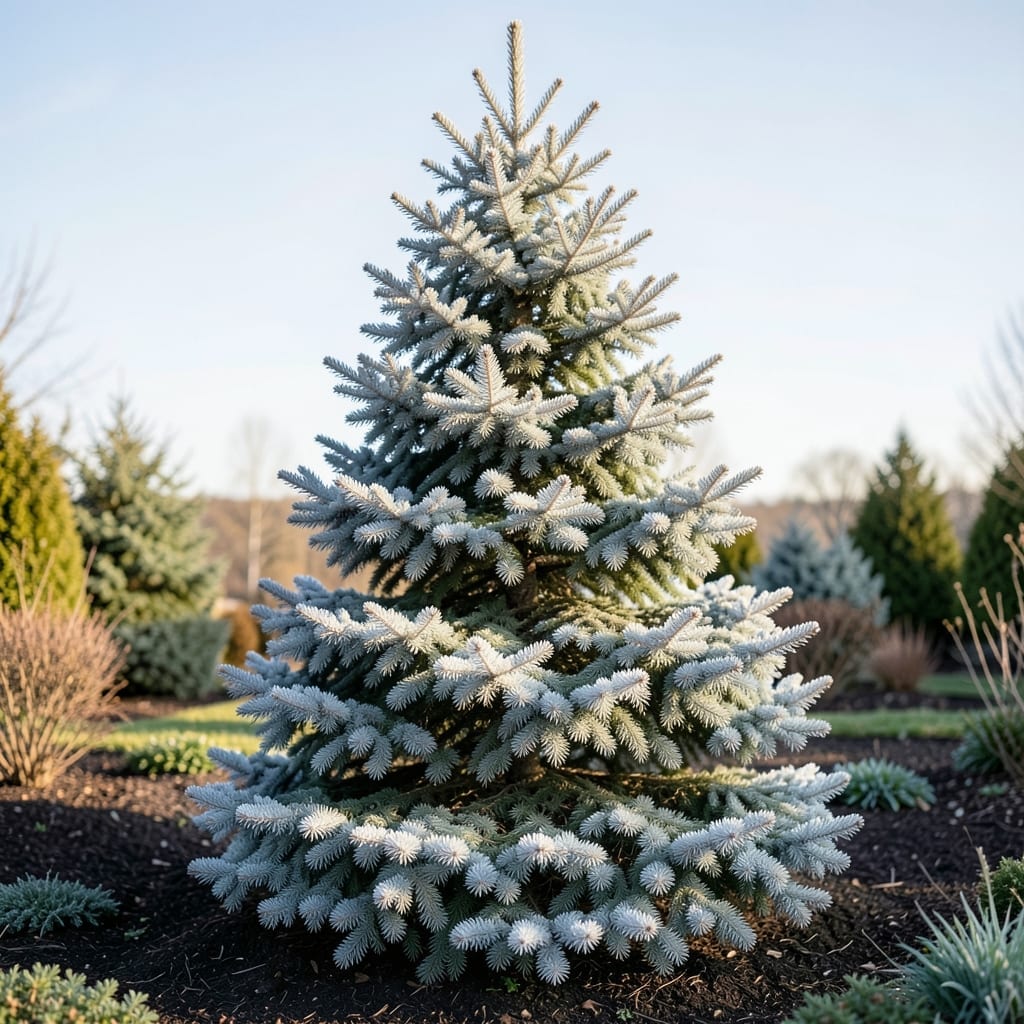
Planning a landscape with White Fir 🌲 means understanding its growth pattern first. This evergreen doesn’t shoot up overnight, but its steady progress makes it a reliable choice for zones 4-7.
I’ve watched these trees transform spaces over years, and their moderate pace offers both patience and reward. Whether you’re planting for privacy or beauty, knowing what to expect is half the battle.
Discover how to give your White Fir the best start and what growth milestones to anticipate. The journey begins with a single season.


When I first planted my White Fir, I was curious about its annual growth rate. Under ideal conditions, these trees typically add 6-12 inches in height each year during their early stages.
This moderate growth pace continues until the tree reaches about 10-15 years old, when it starts to slow down as it approaches maturity. The exact rate depends on several factors, including soil quality and climate conditions.
✅ White Fir Annual Growth Summary
| Growth Stage | Annual Height Increase |
|---|---|
| Young Trees (1-5 years) | 6-12 inches |
| Established Trees (5-15 years) | 12-24 inches |
| Mature Trees (15+ years) | Less than 12 inches |
In my experience, young white firs grow fastest when they receive full sun and consistent moisture. The first year might see just 1 foot of growth, but this can nearly double in subsequent years.
By year three, you might see your tree reaching 4-5 feet tall. This initial growth spurt is when the tree establishes its root system. I always recommend deep watering during this period to encourage strong roots.
The optimal growth rate occurs between years 5-15, when the tree can add 1-2 feet annually. This is when you’ll really notice the transformation in your landscape. The needle color becomes more vibrant during this phase too.
After about 15 years, the growth slows as the tree focuses energy on needle production and branch density rather than height. At maturity, white firs typically reach 40-70 feet tall, depending on the variety.
I’ve found that soil pH plays a crucial role in growth rate. White firs prefer slightly acidic soil (pH 5.0-6.5). If your soil is too alkaline, the tree may grow more slowly.
Another factor is spacing. When planted too close together, white firs compete for resources, which can reduce their growth rate. I recommend spacing them at least 15-20 feet apart for optimal development.
Remember that climate zone affects growth too. In cooler zones like 4-5, growth might be slower than in zone 7. But with proper care, you’ll see steady progress regardless of your location.
🌲
In my years of growing White Fir, I’ve learned that several key factors can significantly impact its growth rate. From sunlight to soil, each element plays a crucial role in how quickly your tree will thrive.
The most important factor is sunlight exposure. White firs need 6+ hours of direct sun daily to reach their full growth potential. Without enough light, growth can slow dramatically.
🌱 Key Factors Affecting White Fir Growth
Soil quality is another major player. White firs thrive in well-draining, acidic soil with a pH between 5.0-6.5. I test my soil annually to ensure it stays in this optimal range.
Watering practices also make a difference. While established trees are drought-tolerant, new plantings need consistent moisture. I recommend deep watering once a week during the growing season.
Pruning can affect growth too, though white firs need minimal pruning. When I do prune, I focus on removing dead or diseased branches to direct energy to healthy growth.
Lastly, pest control is essential. Aphids and spider mites can stress the tree. I use neem oil as a natural preventive measure during the growing season.
🌲