
Beautiful Plants For Your Interior
Beautiful Plants For Your Interior
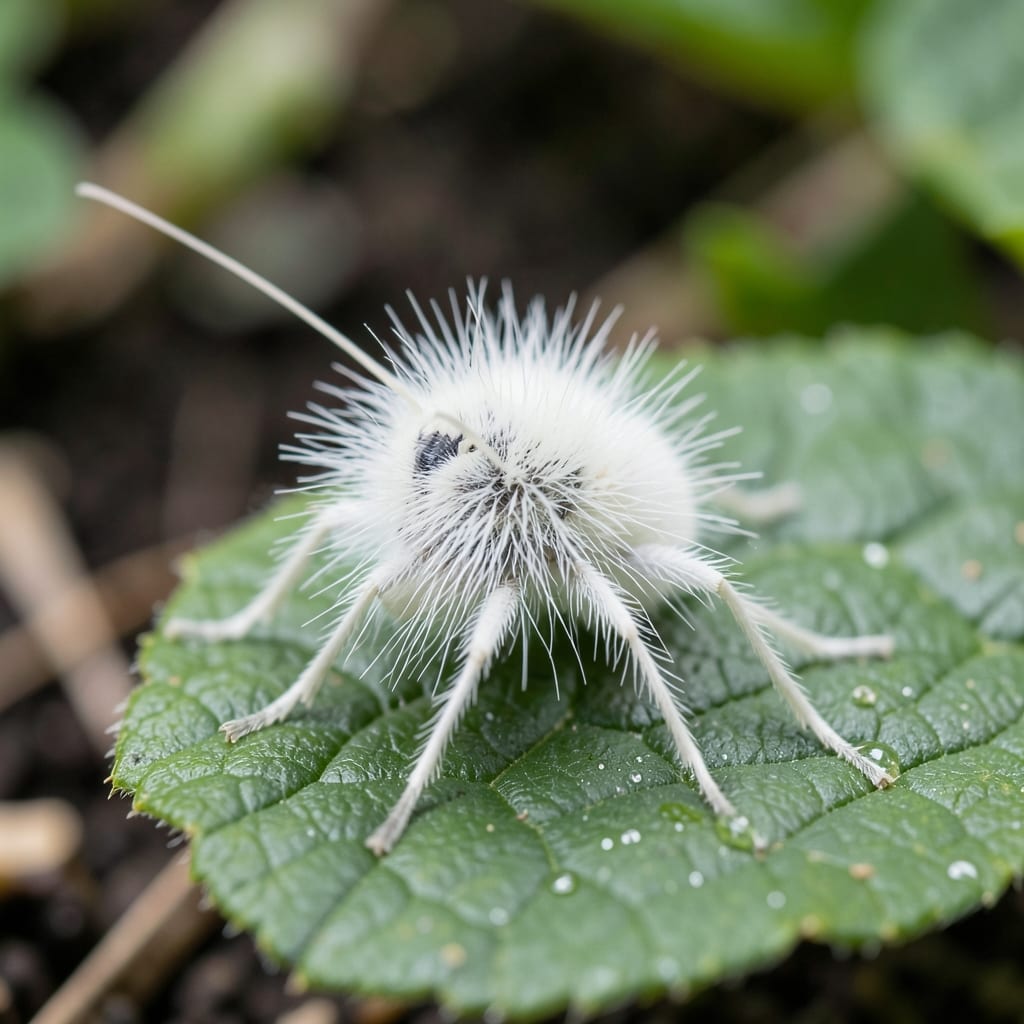
Those white, fluffy spots on your plants aren’t cotton candy. 🌿 I first noticed them on my roses—tiny, feathery clusters that looked harmless until the leaves started yellowing and dropping.
They’re mealybugs, and they’ll drain the life from your plants if left unchecked. These pests target houseplants, greenhouse crops, and garden favorites like citrus and succulents, sucking sap and leaving behind a sticky mess.
Here’s the thing—you can spot them early by checking leaf joints and stems. A quick wipe with rubbing alcohol kills them on contact, but there’s a better long-term solution.
We’ll cover organic sprays, natural predators, and the simple habits that keep them from coming back. No chemicals, no fuss.
The appearance of white feathery bugs in your garden or home is rarely random. These pests, often mealybugs or woolly aphids, thrive under specific conditions. Understanding the root causes helps you prevent future outbreaks and target existing ones effectively.
Plants weakened by poor health or crowded growing conditions emit stress signals that attract sap-sucking insects like mealybugs. Overwatering, underwatering, or nutrient deficiencies create ideal feeding grounds. Action: Maintain proper plant spacing, water consistently, and fertilize appropriately to keep plants vigorous.
These bugs flourish in temperatures between 70–80°F (21–27°C) with high humidity. Greenhouses, indoor plants, and shaded outdoor areas are prime targets. Action: Improve airflow with fans or pruning, and reduce humidity with dehumidifiers or proper ventilation.
New plants, especially from nurseries or online orders, may carry hidden pests. Without isolation, infestations spread rapidly to healthy plants. Action: Quarantine new plants for 2–3 weeks in a separate area and inspect them thoroughly before introducing them to your collection.
In balanced ecosystems, ladybugs, lacewings, and parasitic wasps keep these pests in check. Pesticide overuse or sterile indoor environments eliminate these allies. Action: Introduce beneficial insects or use neem oil to restore natural balance without harming predators.
Dealing with white feathery bugs can be frustrating, but these practical solutions will help you reclaim your space. Below are targeted fixes for common causes, along with prevention tips to keep them from returning.
If your plants are waterlogged, these pests thrive in damp conditions. Fix: Let the soil dry out between waterings and ensure pots have drainage holes. Repot heavily infested plants in fresh, dry soil.
Prevention tip: 💡 Use a moisture meter to avoid overwatering and keep plants in well-ventilated areas.
Decaying leaves and mulch create the perfect breeding ground. Fix: Remove dead foliage, rake up fallen leaves, and clear garden debris regularly. Use a leaf blower for larger areas.
Prevention tip: 🌡️ Maintain a clean garden by composting debris far from your plants.
For visible clusters, act fast to stop the spread. Fix: Spray them off with a strong jet of water or apply insecticidal soap. For stubborn cases, use neem oil or horticultural oil.
Prevention tip: ✨ Inspect new plants before bringing them home and quarantine if needed.
High humidity indoors attracts these bugs. Fix: Use a dehumidifier or improve airflow with fans. Wipe down windowsills and baseboards where moisture collects.
Prevention tip: 🎯 Keep indoor humidity below 50% and fix leaks promptly.
Consistency is key—combine these methods and stay vigilant to keep your space bug-free!
No, they don’t bite or transmit diseases to people. These pests primarily damage plants by feeding on sap, but they’re harmless to humans and pets.
They’re drawn to stressed or overwatered plants. Warm, humid conditions and poor airflow create ideal breeding grounds. Check for overcrowding or excess moisture.
Quarantine new plants for 2-3 weeks and inspect regularly. Maintain good airflow and avoid overwatering to discourage future infestations.
Yes, a mild solution of dish soap and water can smother them on contact. Spray directly on clusters and wipe away with a damp cloth for best results.