
Beautiful Plants For Your Interior
Beautiful Plants For Your Interior
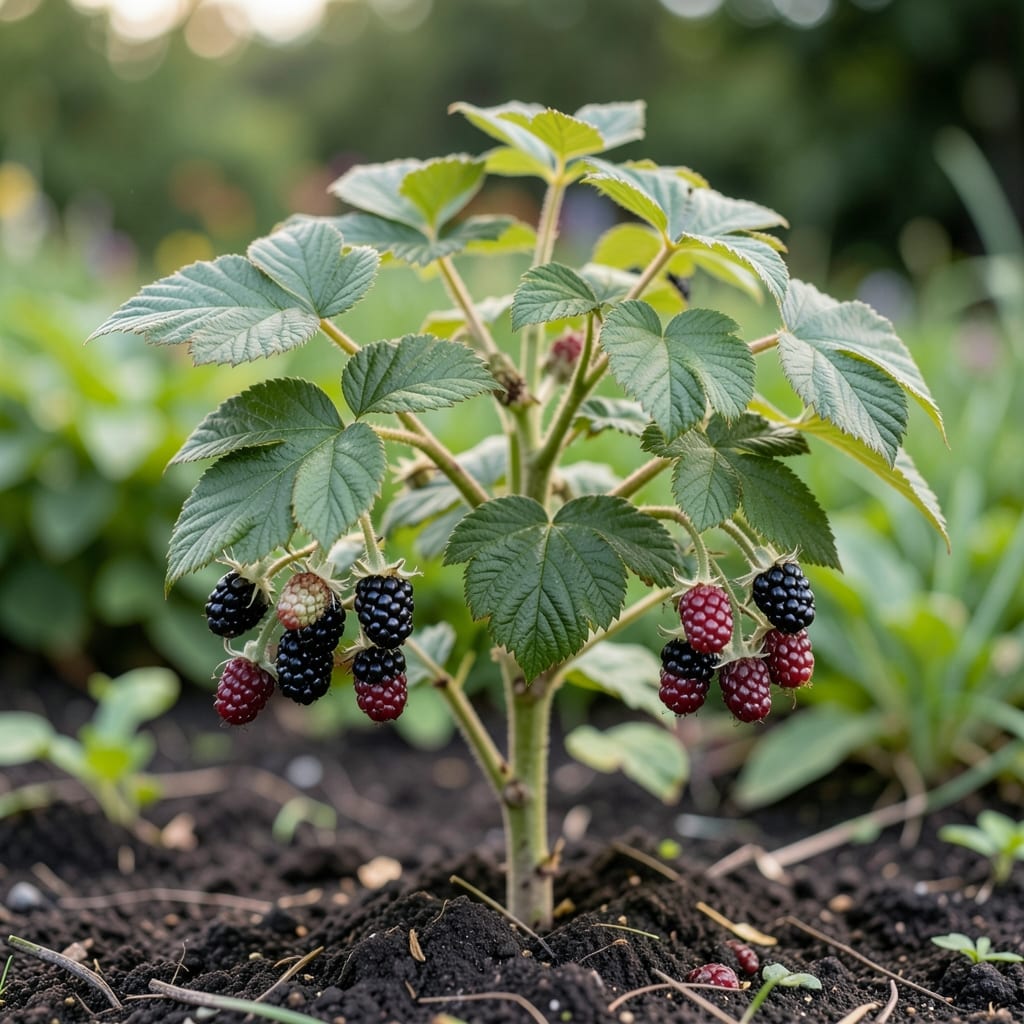
Your blackberries are turning white and it’s alarming. White drupelet disorder hits just as fruit ripens, turning individual segments pale and hard while others stay dark and juicy.
I first noticed this on my thornless varieties during a heat wave. The cause isn’t disease—it’s environmental stress, usually sunburn or water issues, that disrupts ripening unevenly.
You’ll spot it early: patches of white on otherwise dark berries. The fix isn’t complicated—just shade during peak sun and consistent watering to keep fruit developing properly.
Works for all cane berries, not just blackberries. Here’s how to save your harvest.
White drupelet disorder in blackberries and raspberries typically stems from environmental and physiological stressors. Below are the primary causes, explained with actionable insights.
Excessive heat or direct sunlight can scorch the drupelets, leading to their characteristic white or pale appearance. This often occurs during prolonged periods of high temperatures (above 90°F/32°C) or when berries are exposed to intense midday sun without shade. Solution: Use shade cloths or plant in areas with partial afternoon shade.
Inconsistent watering—either drought conditions or overwatering—disrupts nutrient uptake, causing drupelets to fail to ripen properly. Drought stress is particularly damaging during fruit development stages. Solution: Maintain even soil moisture with drip irrigation and mulch to retain water.
Deficiencies in boron, calcium, or potassium can impair cell division in drupelets, leading to uneven ripening. A soil test can confirm deficiencies. Solution: Amend soil with organic compost or apply foliar sprays of boron (0.1-0.2%) or calcium during early fruiting.
Poor pollination results in underdeveloped drupelets, which may remain white or pale. This is common in cold, rainy, or windy conditions that discourage bee activity. Solution: Plant pollinator-friendly flowers nearby and avoid pesticides during bloom.
Some blackberry and raspberry cultivars are naturally prone to white drupelet disorder due to inherent genetic weaknesses. Solution: Select resistant varieties like ‘Natchez’ or ‘Ouachita’ blackberries, which show greater tolerance.
Tackling white drupelet disorder starts with pinpointing the root cause. Below, we break down fixes for the most common triggers, plus prevention tips to keep your berries vibrant and healthy.
If excessive sunlight or high temperatures are to blame, provide afternoon shade using shade cloth (30-50% density). Ensure consistent soil moisture by mulching with organic material (straw or wood chips) and watering deeply during dry spells, ideally in the early morning. Pro tip: Drip irrigation keeps foliage dry and reduces heat stress.
Low calcium levels often lead to weak cell walls. Apply crushed eggshells or gypsum (calcium sulfate) to the soil at planting and again mid-season. For a quick fix, spray a foliar calcium solution (like calcium chloride) on leaves, especially during fruit development. Avoid high-nitrogen fertilizers, which can interfere with calcium uptake.
Fungus-related white drupelets need a two-pronged approach. First, improve air circulation by pruning dense foliage and spacing plants properly. Then, apply organic fungicides like neem oil or copper-based sprays before symptoms appear, especially during wet seasons. Always follow label instructions for mixing and timing.
Some berry varieties are more prone to this disorder. If it’s a recurring issue, opt for disease-resistant cultivars like ‘Natchez’ or ‘Ouachita’ blackberries. Consult local nurseries or agricultural extensions for region-specific recommendations.
It primarily impacts blackberries and raspberries, but can appear in other cane berries. Varieties like ‘Natchez’ show more resistance than older cultivars.
Yes, they’re safe to eat but may taste less sweet. The white portions are underripe, so flavor and texture differ from fully ripe berries.
No, it’s not spread by contact. It results from environmental stress, so focus on improving growing conditions rather than isolating affected plants.
New growth responds within 7-14 days to corrected watering or shading. Existing affected berries won’t recover, but future fruit will develop normally.