
Beautiful Plants For Your Interior
Beautiful Plants For Your Interior
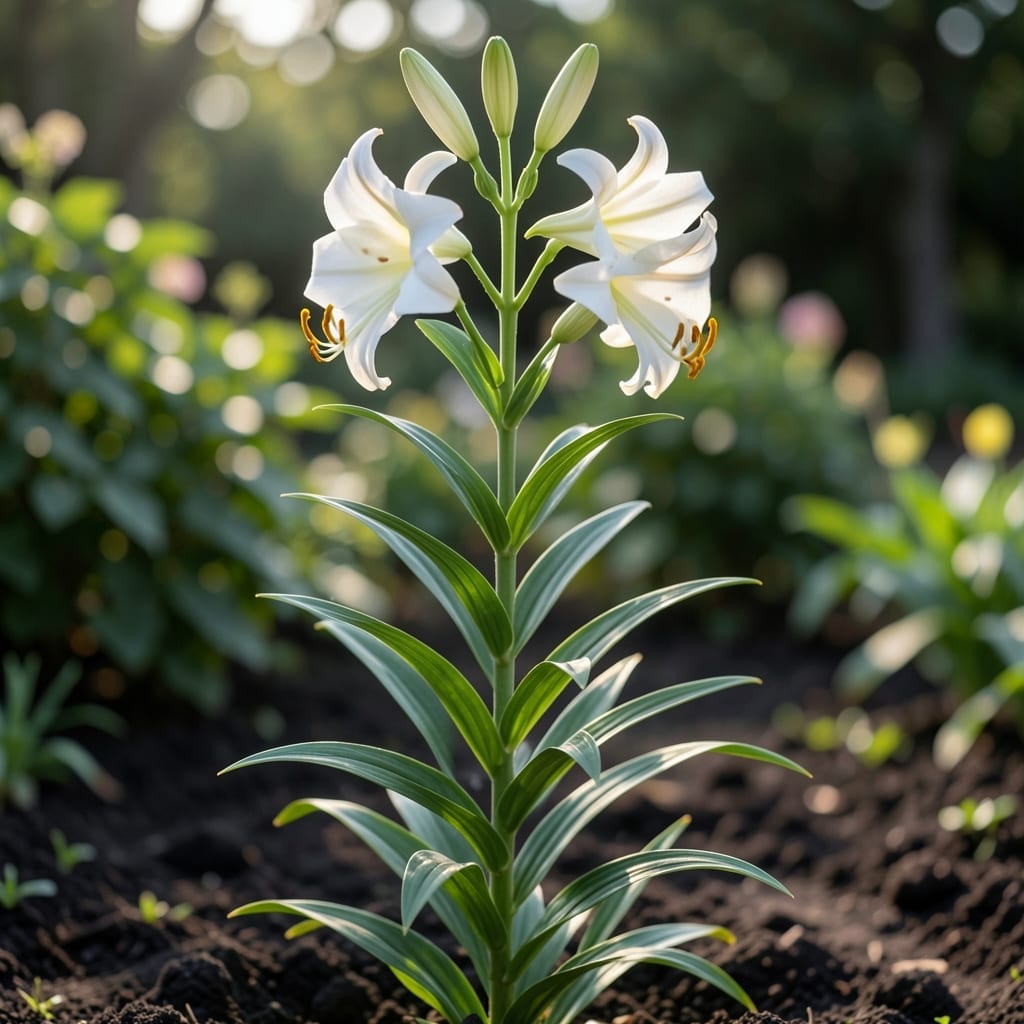
There’s something magical about the first time you see a Casa Blanca lily bloom. The pure white petals and intoxicating fragrance transform any garden space into a sanctuary.
I’ve grown these for years, and the key is matching their needs: well-draining soil, 6+ hours of sunlight, and consistent moisture. They reward you with dozens of blooms that perfume the air all summer.
📚 In This Guide
Here’s the method I use to grow these stunning, fragrant beauties with minimal fuss.
Choose a spot that receives full sun to partial shade, as Casa Blanca lilies thrive in 6-8 hours of sunlight daily. The soil should be well-draining and rich in organic matter. I always test the drainage by digging a small hole and filling it with water—if it drains within 1 hour, you’re good to go.
Avoid low-lying areas where water pools, as soggy soil will rot the bulbs before they even sprout. These lilies prefer slightly acidic to neutral soil with a pH between 6.0 and 7.0. If your soil is heavy clay, amend it with compost or peat moss to improve its structure.
Plant bulbs in early spring or fall, when temperatures are cooler. Dig holes that are 6-8 inches deep—about three times the height of the bulb—and space them 12-18 inches apart. This gives the plants room to grow without competing for nutrients.
Place each bulb in the hole with the pointed end facing upward. Cover with soil and press down gently to eliminate air pockets. Water thoroughly after planting to settle the soil and encourage root growth. You’ll see the first shoots emerge in 2-3 weeks if conditions are right.
Keep the soil consistently moist but not waterlogged during the growing season. Water at the base of the plant to avoid wetting the leaves, which can lead to fungal diseases. A layer of 2-3 inches of mulch around the plants helps retain moisture and suppress weeds.
Fertilize lightly with a balanced, slow-release fertilizer in early spring and again after the plants finish flowering. I’ve found that too much nitrogen results in lush foliage but fewer blooms, so stick to a 10-10-10 or 5-10-10 ratio for best results.
Casa Blanca lilies can grow 3-4 feet tall, so they often need staking to prevent the stems from toppling over in wind or rain. Install stakes or a decorative trellis early in the season, before the stems become too heavy with buds.
Deadhead spent flowers promptly to encourage the plant to redirect its energy into producing more blooms rather than seeds. However, leave the foliage intact until it turns yellow and dies back naturally in the fall—this allows the bulb to store energy for next year’s growth.
After flowering, reduce watering gradually as the foliage begins to yellow. Once the foliage has completely died back, cut the stems down to 2-3 inches above the soil. In colder climates, add a thick layer of mulch (4-6 inches) to insulate the bulbs from freezing temperatures.
In regions with harsh winters, you may also cover the planting area with burlap or a frost cloth for extra protection. The bulbs are hardy in USDA zones 5-9, but a little extra care ensures they’ll return year after year with vibrant, fragrant blooms.
Small adjustments make a significant difference in growing these elegant flowers.
Sunlight Strategy: In Step 1, ensure your chosen spot truly gets that 6-8 hours of sunlight daily. I’ve found that morning sun with afternoon shade works best in hotter climates, while full sun is ideal in cooler areas. Use a sunlight calculator app if you’re unsure about your garden’s exposure.
Soil Preparation Tip: When testing drainage in Step 1 as described, remember that clay soil may need more than just compost—consider adding coarse sand or perlite to improve structure. The 1 hour drainage test is your best indicator of whether the soil will support healthy bulb growth.
Planting Depth Precision: For Step 2, stick to the 6-8 inches deep guideline. Planting too shallow can expose bulbs to temperature fluctuations, while planting too deep may delay or prevent sprouting. The 12-18 inches apart spacing ensures good air circulation, which reduces disease risk.
Seasonal Care Insight: In Step 5, when cutting stems down to 2-3 inches after dieback, resist the urge to remove foliage early. Those yellowing leaves are still photosynthesizing and feeding the bulb for next year’s blooms. The 4-6 inches of mulch in colder zones acts like a blanket, protecting bulbs from freeze-thaw cycles.
Water deeply once a week, ensuring the soil stays moist but not soggy. In hot climates, increase to twice weekly. Check the top inch of soil—if it’s dry, it’s time to water!
Plant bulbs in early spring or fall, 2-4 weeks before the ground freezes. This allows roots to establish before extreme temperatures. Avoid summer planting, as heat can stress new growth.
Try ‘Stargazer’ or ‘Easter Lily’ for similar fragrance and elegance. ‘Oriental’ or ‘Trumpet’ lilies also offer white varieties with comparable height and blooming habits.
Yellowing may signal overwatering, poor drainage, or nutrient deficiency. Check soil moisture and ensure proper drainage. A balanced fertilizer can help, but avoid over-fertilizing, which can harm the plant.
Spray with insecticidal soap or neem oil at the first sign of pests. Encourage natural predators like ladybugs. Regularly inspect leaves and stems to catch infestations early.