
Beautiful Plants For Your Interior
Beautiful Plants For Your Interior
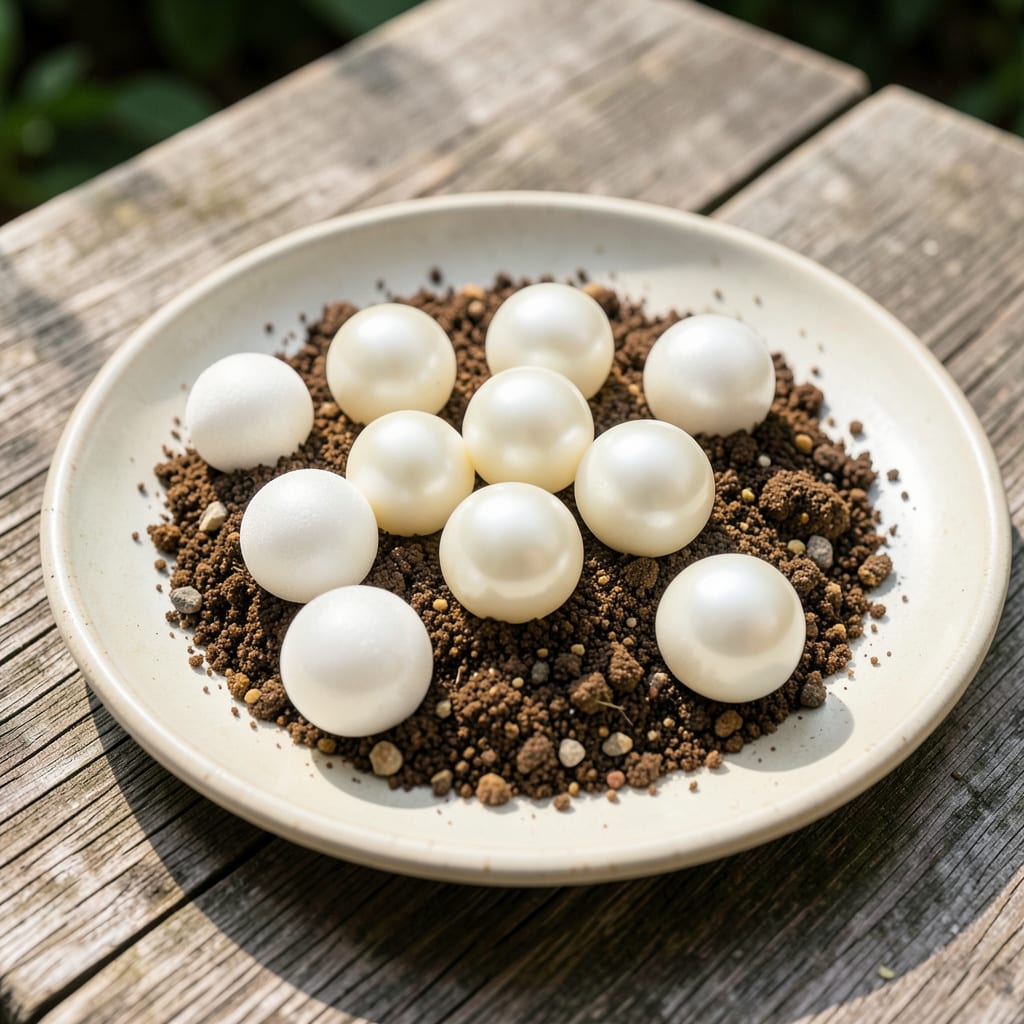
Spotted white balls in your soil? Don’t panic—it’s usually nothing sinister. I’ve dug up my fair share of mysterious white orbs, and most are harmless or even helpful.
These could be perlite from potting mix, fungal growth, fertilizer residue, or even insect eggs. The good news is, most causes are easy to identify with a quick inspection and simple tests.
Once you know what you’re dealing with, solutions range from adjusting watering habits to removing infested soil. Most fixes take less than 30 minutes.
Works for houseplants, garden beds, or containers. Here’s how to figure out what they are and what to do next.
The appearance of white, ball-like structures in soil is usually tied to biological or environmental factors. Below are the most common causes, explained with scientific clarity.
Many white balls are actually sclerotia—hardened masses of fungal mycelium that store nutrients for future growth. Beneficial mycorrhizal fungi may also form small, white nodules as they colonize plant roots. These are harmless and even beneficial, as they help plants absorb water and nutrients more efficiently.
Some soil-dwelling insects, like white grubs (larvae of beetles) or pupating flies, appear as small, white, ball-shaped structures. These are typically smooth, firm, and found in clusters. If they hatch, they can damage plant roots, so removal is often necessary.
In arid or alkaline soils, calcium carbonate or gypsum can form white, grainy nodules. These are not biological but rather chemical precipitates from water evaporation. While not harmful, they may indicate poor soil drainage or high pH levels.
Sometimes, what looks like organic matter is actually perlite (a volcanic glass used to improve soil aeration) or Styrofoam from degraded mulch. These are lightweight, non-biological, and often introduced intentionally in potting mixes.
Dealing with white balls in your soil can be frustrating, but the right approach makes all the difference. Below are targeted solutions for the most common causes, along with prevention tips to keep your soil healthy long-term.
Fix: Remove visible white balls by hand or with a small garden trowel. Dispose of them in a sealed bag to prevent reinfection. Treat the soil with a fungicide containing thiophanate-methyl or copper sulfate, following the label instructions. For organic options, apply neem oil or a baking soda solution (1 tbsp baking soda + 1 gallon of water).
Prevention: Improve drainage by mixing in compost or perlite. Avoid overwatering and rotate crops annually to disrupt fungal life cycles. 💡 Pro tip: Solarize soil in summer by covering it with clear plastic for 4-6 weeks to kill fungal spores.
Fix: Gently sift through the top 2-3 inches of soil to manually remove the white balls (eggs or larvae). Introduce beneficial nematodes (e.g., Steinernema carpocapsae) to the soil, as they prey on insect larvae. For severe infestations, use insecticidal soap or pyrethrin-based sprays.
Prevention: Encourage natural predators like birds, ground beetles, or parasitic wasps. Keep the garden free of debris and practice companion planting (e.g., marigolds repel many pests). 💡 Pro tip: Apply a layer of diatomaceous earth to the soil surface to deter egg-laying adults.
Fix: If the white balls are inert (e.g., perlite or Styrofoam), simply rake the topsoil to distribute them evenly or remove them if they’re unsightly. These won’t harm plants but can be a nuisance.
Prevention: Use high-quality potting mix and avoid cheap soil blends that may contain fillers. If reusing soil, sift it to remove unwanted particles before planting. 💡 Pro tip: Store soil in a covered bin to prevent contamination from wind-blown debris.
Not always. Perlite or mycorrhizal fungi nodules are harmless or even beneficial. Only insect eggs or harmful fungi require removal.
Fungal balls are often fuzzy or irregular, while insect eggs are smooth and firm. Use a magnifying glass for a closer look.
Yes, if they’re perlite or beneficial fungi. For pests or harmful fungi, treat with neem oil or beneficial nematodes first.
Sift the top 2-3 inches of soil or handpick visible balls. Dispose of them in a sealed bag to prevent spread.
