
Beautiful Plants For Your Interior
Beautiful Plants For Your Interior
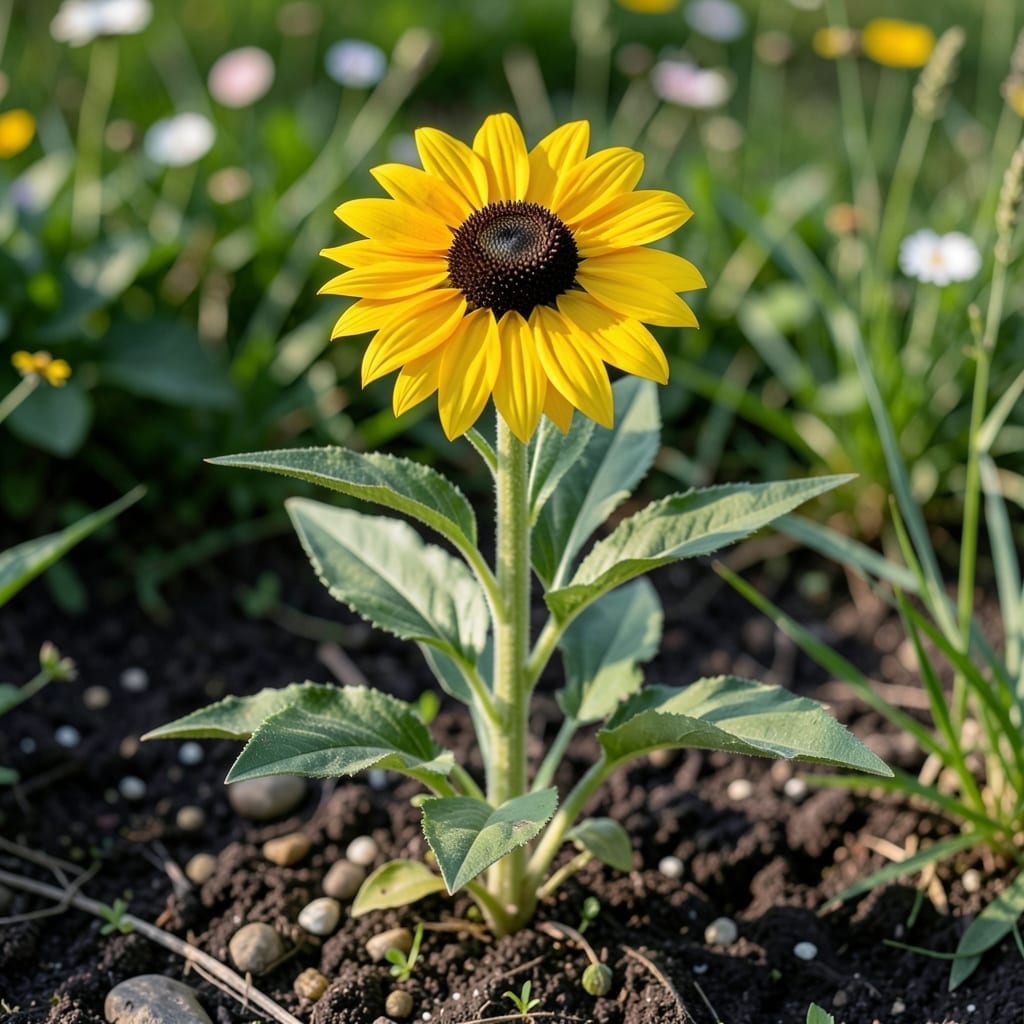
This question stops every new gardener in their tracks. I spent years replanting what I thought would return, only to watch bare spots appear each spring.
The difference is simple but powerful: annuals give you one season of color, then disappear. Perennials return year after year, often growing larger and more spectacular with each cycle.
Your garden can have both, creating immediate impact with annuals while building long-term beauty with perennials. The key is knowing which is which before you plant.
I’ll show you how to spot the difference, pick the right types for your space, and create a garden that keeps giving.
The distinction between annuals and perennials boils down to lifespan and adaptive strategies shaped by evolution and climate. Here’s the science behind why some flowers return year after year while others don’t.
Perennials are genetically wired for longevity. Their DNA includes mechanisms for dormancy—a survival tactic where the plant enters a resting phase (e.g., dying back to roots or bulbs) during harsh conditions like winter. This allows them to store energy and regrow when conditions improve. Annuals, conversely, prioritize rapid reproduction. Their genetic code focuses on producing seeds quickly to ensure the next generation survives, even if the parent plant dies.
Perennials thrive in regions with seasonal extremes (e.g., cold winters or dry summers). Their ability to regenerate from underground structures (like rhizomes or tubers) evolved as a response to these cycles. Annuals dominate in stable or unpredictable climates, where growing seasons are short or erratic. By completing their life cycle in one season, they avoid relying on unpredictable conditions for survival.
Perennials invest resources in strong root systems and storage organs to sustain them through dormancy. Annuals, however, channel energy into flowers and seeds, sacrificing long-term survival for immediate propagation. This trade-off explains why annuals often bloom more vibrantly but fade after one season, while perennials may take longer to establish but return reliably.
Confused about whether to plant annuals or perennials? Here’s how to solve the dilemma and ensure your garden thrives year after year. Below are practical fixes for common concerns, along with prevention tips to keep your flower beds blooming beautifully.
Fix: Opt for annuals like marigolds, petunias, or zinnias. These flowers grow quickly and provide vibrant blooms from spring to frost. Plant them in gaps where you need immediate impact, such as containers, borders, or empty spaces in perennial beds.
Prevention Tip: 💡 Plan ahead by mixing annuals with perennials. This way, you’ll have consistent color while waiting for perennials to establish and bloom in future years.
Fix: Choose perennials like coneflowers, black-eyed Susans, or daylilies. Once planted, they return every year with minimal care. They’re ideal for busy gardeners or those who want a sustainable, long-term solution.
Prevention Tip: 🌡️ Select perennials suited to your climate and soil type. Research hardiness zones to ensure they thrive without extra effort.
Fix: While annuals require replanting each year, they’re often cheaper upfront. If cost is a concern, start with a few perennials as a foundation and fill in with affordable annuals for seasonal pops of color.
Prevention Tip: ✨ Propagate perennials by dividing clumps every few years. This multiplies your plants for free and keeps your garden full without extra spending.
Fix: Combine both! Use perennials for structure and reliability, then add annuals for seasonal variety. For example, pair hardy perennials like sedum with annuals like pansies for a garden that evolves through the seasons.
Prevention Tip: 🎯 Plan your garden in layers—tall perennials at the back, mid-height annuals in the middle, and low-growing flowers up front. This creates depth and ensures visual appeal all year.
Check the plant tag or seed packet—it always states the type. Annuals complete their life cycle in 1 season, while perennials return for 3+ years. When in doubt, research common examples like petunias (annual) vs. coneflowers (perennial).
Many perennials focus on root growth first, saving energy for flowers until the second year. This is normal for varieties like peonies or delphiniums. Patience pays off with bigger, healthier blooms later.
No, true annuals like zinnias or marigolds die after frost. However, some “tender perennials” (like geraniums) act as annuals in cold climates but return in warm zones. Always check your hardiness zone.
Perennials win for savings since you plant once. Annuals cost less upfront but require yearly replanting. A smart mix of both gives immediate color and lasting value.