
Beautiful Plants For Your Interior
Beautiful Plants For Your Interior
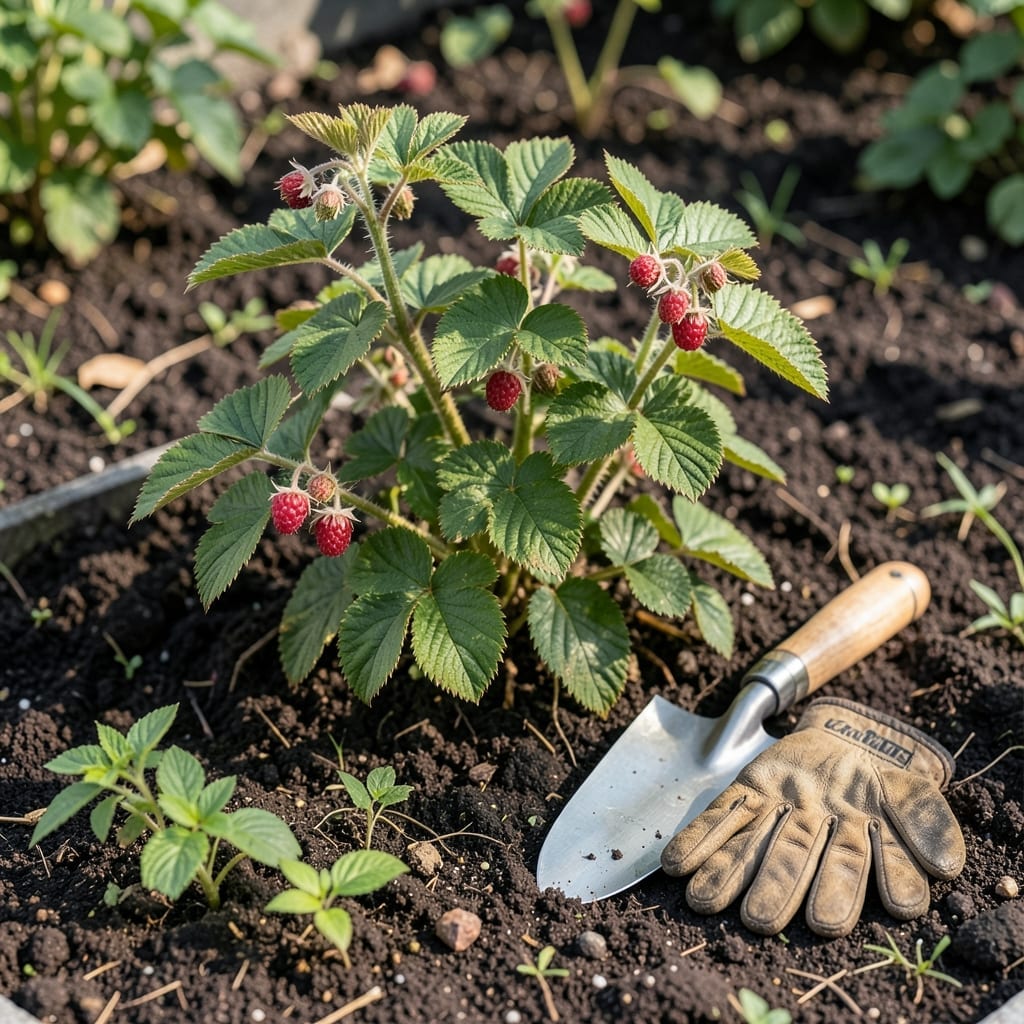
Choosing the right location for your 🍇 Raspberry plants can make the difference between a sparse harvest and a bountiful yield. These plants thrive in specific conditions, and getting it right from the start saves years of frustration.
I’ve seen firsthand how the perfect spot transforms raspberry canes from struggling to flourishing. Whether you’re working with a small garden or acres of land, the principles remain the same.
Discover the key factors that turn an average raspberry patch into a productive powerhouse. Let me show you how to set your plants up for success.

I always tell gardeners that raspberries need full sun to thrive. Aim for 6-8 hours of direct sunlight daily for the sweetest, most abundant berries. Less light means fewer fruits and weaker plants.
These shrubs also demand well-draining soil with a pH of 5.5-6.5. Soggy roots spell disaster, so avoid low spots where water pools. A slight slope can be ideal for drainage.
| Requirement | Specification |
|---|---|
| Sunlight | 6-8 hours daily |
| Soil pH | 5.5-6.5 |
| Soil Type | Well-draining loam |
| Soil Enhancement | Compost or aged manure |
If your soil is heavy clay, I recommend amending it with organic matter like compost or aged manure. This improves drainage and adds nutrients that raspberries crave.
Raspberries hate “wet feet”, so raised beds can be a great solution in areas with poor drainage. I’ve seen plants flourish in beds just 12-18 inches high.
For the best results, test your soil before planting. A simple pH test kit from any garden center will tell you if you need to adjust acidity. Lime raises pH, while sulfur lowers it.
Remember that morning sun is particularly valuable. It helps dry dew from the leaves, reducing the risk of fungal diseases that can plague raspberry patches.
In hotter climates, some afternoon shade can prevent berries from scorching. But in most regions, full sun all day is the golden ticket for maximum yield.
I’ve found that sandy loam is the ideal soil texture. It drains well but retains enough moisture to keep plants happy between waterings. If your soil is too sandy, add organic matter to improve its water-holding capacity.
Finally, avoid planting in areas where tomatoes, potatoes, or strawberries have grown recently. These crops can leave behind diseases that affect raspberries. A 3-year rotation is your safest bet. ☀️
With the right sunlight and soil, your raspberry plants will reward you with years of delicious harvests. It’s worth taking the time to prepare the perfect spot before planting. 🌱
Proper spacing is crucial for healthy raspberry plants. I recommend placing bare-root canes about 18-24 inches apart in rows that are 6-8 feet apart. This gives them room to spread without competing for nutrients.
For container-grown raspberries, maintain a 2-3 foot distance between plants. This extra space accounts for their established root systems and promotes better air circulation, which helps prevent diseases.
Companion planting can boost your raspberry yield. I’ve had great success with marigolds and garlic near my raspberry rows. Marigolds deter nematodes, while garlic repels Japanese beetles and other pests.
Yarrow is another excellent companion. It attracts beneficial insects like ladybugs and lacewings, which prey on raspberry pests. Plus, it accumulates nutrients in the soil that raspberries can use.
Avoid planting raspberries near blackberries, tomatoes, or potatoes. These plants share pests and diseases with raspberries, increasing the risk of problems spreading between them.
Don’t forget about vertical support. Most raspberry varieties need a trellis or fence to keep canes upright. I use a simple T-post and wire system that works beautifully for my summer-bearing raspberries.
With the right spacing and companions, your raspberry patch will thrive and produce abundant harvests for years to come. 🌿