
Beautiful Plants For Your Interior
Beautiful Plants For Your Interior
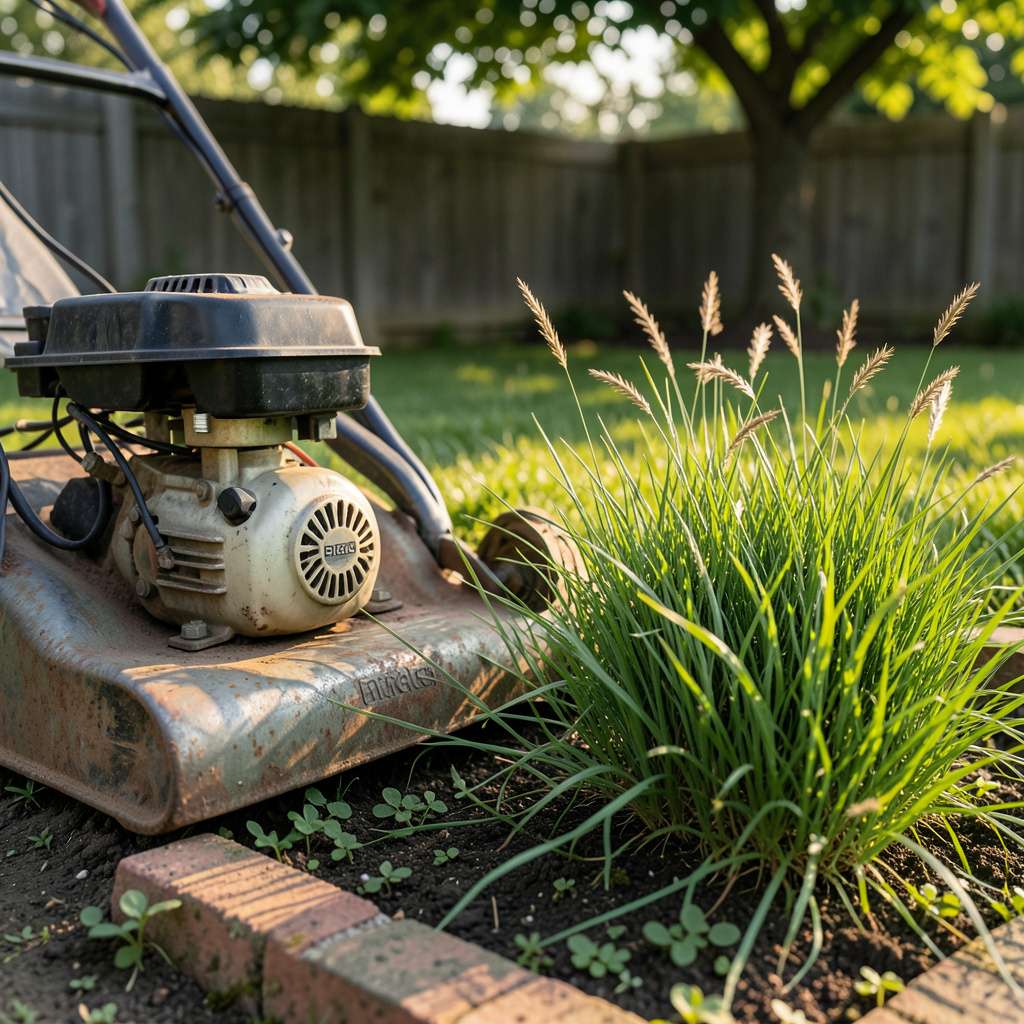
The spark plug is typically located near the top of the mower engine, under a protective rubber boot. On most push mowers, you’ll find it on the front or side of the engine block, easily accessible after removing the cover.
I’ve found that the spark plug’s position is designed for both protection and accessibility. 🔧 The rubber boot shields it from moisture and debris while allowing quick maintenance—critical since a fouled plug can cause hard starts or rough idling. On riding mowers, you might need to check near the engine’s side panels, where the plug wire leads directly to it. Always disconnect the wire before removal to prevent accidental shocks.
💡 In This Article
The spark plug’s location isn’t random—it’s carefully positioned based on engine design and maintenance needs. On standard push mowers with horizontal-shaft engines, you’ll typically find it on the front or side of the engine block, where it’s protected from flying debris while remaining accessible.
The black rubber boot covering the plug isn’t just for protection; it’s part of the ignition system that transfers electrical current from the ignition coil to the plug itself. 🔧
Riding mowers present a different challenge due to their larger engines and enclosed designs. Here, the spark plug is often located near the top of the engine but may be hidden behind side panels or under the hood. The plug wire (usually black with a thick rubber coating) will always lead you directly to it.
For example, on a John Deere riding mower, you might need to remove the left side panel to access the plug, while a Craftsman model often has it visible under the hood near the front of the engine.
Engine orientation plays a huge role in accessibility. Vertical-shaft engines (common in self-propelled mowers) usually have the spark plug positioned at a 45-degree angle on the side, making it easier to reach with a socket wrench.
Side-discharge mowers often have the plug more exposed for quick maintenance, while mulching models might bury it slightly deeper to protect against grass clippings. The key visual cue is always following the thick black wire—it’s your roadmap to the spark plug’s location. ✨
What many don’t realize is that some newer mowers have dual spark plugs for improved combustion efficiency. These are typically found on commercial-grade or high-performance models. In these cases, you’ll see two black wires leading to separate plugs on opposite sides of the engine.
The owner’s manual will always specify if your model has this feature, but you can also check by tracing all visible ignition wires to their endpoints.
The protective rubber boot serves a critical dual purpose. First, it shields the plug from moisture that could cause misfires or corrosion. Second, it acts as an insulator to prevent electrical current from escaping before reaching the plug’s electrode.
When removing the boot, you’ll often hear a satisfying “pop” as it releases from the plug—this is the seal breaking, and it’s completely normal. Just be sure to push it back on firmly when reinstalling to maintain that protective seal. 💫
For those working with older mowers, you might encounter a metal shield covering the spark plug area. This was common on models from the 1980s and 1990s as an extra safety measure. The shield is usually held by two small bolts and can be removed with a basic socket set.
Once removed, you’ll find the familiar rubber boot and plug underneath—just be prepared for some accumulated dirt and grass clippings in this protected space.
Here’s a quick reference for common mower types:
Remember that engine size affects accessibility too. Smaller engines (like those on electric-start mowers) often have the plug positioned more toward the center of the engine block, while larger engines might place it closer to the periphery.
The consistent factor across all designs is that the plug will always be connected to that distinctive thick black wire—your surefire guide to locating it every time. ⚡
A spark plug socket (usually 5/8″ or 13/16″) and a socket wrench with extension are essential. A gap tool and feeler gauge help with installation. Always wear gloves for protection from sharp engine parts.
Replace it every 100 hours of operation or at least annually, whichever comes first. If your mower struggles to start or runs rough, check the plug sooner—it might be fouled or corroded. Regular replacement ensures optimal engine performance.
Check the wire connection first—a loose boot can cause misfires. Also verify the gap setting (0.025″-0.030″ for most engines). If issues persist, inspect the air filter or fuel system for other potential problems.
While you can clean light deposits with a wire brush, heavily fouled or damaged plugs should always be replaced. Cleaning might work temporarily, but worn electrodes won’t perform like new ones. When in doubt, install a fresh plug.
Hand-tighten first, then use a wrench for just 1/8 to 1/4 turn. Overtightening can damage threads or crack the plug. The boot should click firmly when reconnected—this ensures proper electrical contact.
