
Beautiful Plants For Your Interior
Beautiful Plants For Your Interior
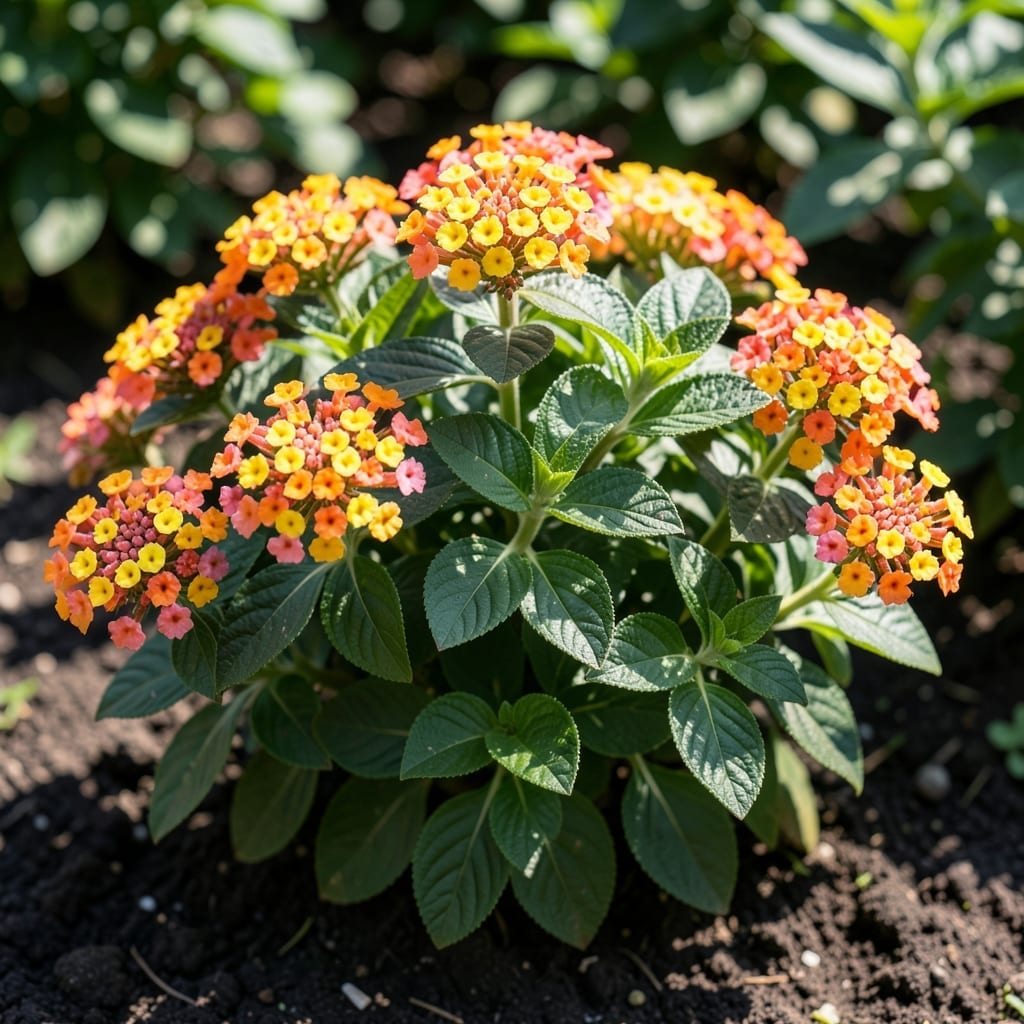
If your 🌸 Lantana vanished after winter, don’t panic—it’s probably just biding its time. These hardy plants often retreat underground when temperatures drop, only to return with vigor when conditions improve.
In zones 7-11, you can expect to see fresh growth as soon as spring arrives. The exact timing depends on your local climate, but warmer soil and longer days typically trigger their comeback.
Discover how to spot the first signs of life and give your Lantana the best chance to thrive this season. It’s easier than you might think!
I know how worrying it can be when your lantana seems to disappear completely after winter. But don’t give up hope—these resilient plants are experts at playing hide and seek with the seasons.
In USDA zones 7-11, lantana typically returns in early to mid-spring, once soil temperatures consistently stay above 50°F. The exact timing varies by location, with southern gardeners often seeing regrowth 2-4 weeks earlier than those in cooler areas.
| USDA Zone | Return Timeframe | First Signs |
|---|---|---|
| 7-8 | Mid-April to early May | New shoots at base |
| 9-10 | Late March to mid-April | Green buds on stems |
| 11 | February to early March | Fresh foliage growth |
The first sign of your lantana’s return is often tiny green buds appearing at the plant’s base. These will develop into new stems and leaves as temperatures rise. In warmer zones, you might even see early blooms by late spring.
I’ve found that well-established lantana plants tend to bounce back faster than new plantings. Their extensive root systems store energy that fuels rapid regrowth when conditions improve. Even if the top growth looks completely dead, the roots are often still alive.
For gardeners in cooler zones (6 and below), lantana is typically grown as an annual. But you can try protecting the base with mulch or covering plants during cold snaps to encourage survival. Some dedicated gardeners even dig up plants to overwinter indoors.
Watch for consistent daytime temperatures above 60°F as your cue that it’s time to start checking for new growth. Morning is the best time to inspect, as overnight lows can still be chilly in early spring.
The return process usually takes 2-4 weeks from the first signs of life to full leafing out. During this time, I recommend holding off on heavy pruning until you see clear signs of new growth. This prevents accidentally removing viable stems.
Remember that drought-tolerant lantana prefers to dry out slightly between waterings. Overly wet soil in early spring can actually delay regrowth or cause root issues. Let the top inch of soil dry before watering.
If you’re impatient like me, you can give nature a gentle nudge. Once the danger of frost has passed, I’ll often lightly trim back any remaining dead growth to make way for new shoots and improve the plant’s appearance.
This also helps you spot those first green buds more easily. 🌱
I love watching my lantana spring back to life, and there are ways to encourage faster regrowth. The key is preparing the plant and soil before spring arrives.
Pruning old growth in late winter helps remove dead material and allows sunlight to reach the base. I do this just before new growth appears, typically 4-6 weeks before your last frost date.
A light fertilizer application in early spring gives your lantana a nutritional boost. I use a balanced 10-10-10 formula to support both foliage and future blooms.
Mulching is another game-changer. A 2-3 inch layer of organic mulch helps maintain soil moisture and temperature, which are crucial for consistent regrowth.
Once you see those first green shoots, switch to a regular watering schedule. Remember, lantana prefers to dry out slightly between waterings, so don’t overdo it.
In my experience, morning watering works best. It gives the plant time to absorb moisture before the heat of the day and reduces the risk of fungal issues.
Finally, be patient but observant. With the right care, your lantana will reward you with vibrant blooms by early summer. The wait is always worth it! 🌿