
Beautiful Plants For Your Interior
Beautiful Plants For Your Interior
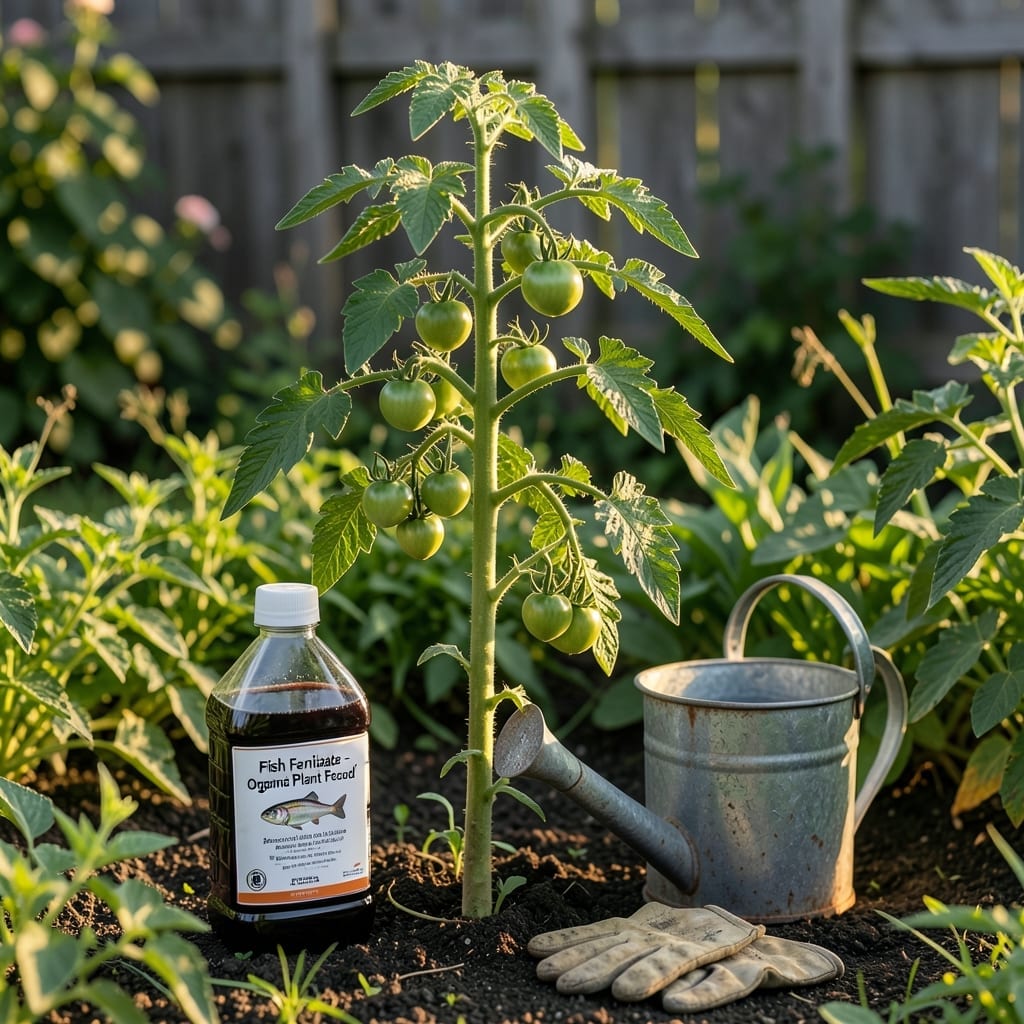
Fish fertilizer can be the key to unlocking your garden’s full potential, but timing is everything. Using it at the wrong moments might do more harm than good to your General Plants.
I’ve seen gardens transform when this nutrient-rich booster is applied at just the right stages. The 🌱 General Plants in your care deserve this natural advantage, especially during their active growth periods.
Discover how to sync your fertilization schedule with nature’s rhythm. From spring awakening to fall preparation, each season offers unique opportunities.
Let me walk you through the simple yet most important timing strategies that will make your plants thrive like never before.
Timing your fish fertilizer applications can make or break your garden’s success. I’ve found that spring pre-planting is ideal, as it gives plants a nutrient boost just as they start growing.
In mid-summer, a light application helps sustain vibrant foliage and flower production during the peak growing season. 🌱
| Season | Action | Purpose |
|---|---|---|
| Early Spring | Feed | Kickstart active growth |
| Summer | Light Feed | Maintain foliage health |
| Fall | Light Feed | Prepare for dormancy |
| Winter | Skip | Plant is dormant |
For perennials and shrubs, a fall application helps them store nutrients for the next growing season. This is especially true for woody plants like roses and fruit trees.
Early morning is the best time of day to apply fish fertilizer. The cooler temperatures and lower sun intensity reduce the risk of leaf burn and allow for better absorption.
In extreme heat, I avoid fertilizing altogether. High temperatures can stress plants and cause fertilizer burn, which does more harm than good. Wait for a cooler day.
If you’re growing leafy greens like lettuce or spinach, light monthly applications during the growing season keep them lush and productive. These plants are nitrogen-loving and respond well to fish fertilizer.
For flowering plants like tomatoes and peppers, I recommend applying fish fertilizer every 4-6 weeks during the growing season. This supports both vegetative growth and fruit production.
Newly planted seedlings benefit from a diluted fish fertilizer solution to encourage strong root development. Be careful not to overdo it, as young plants are more sensitive to nutrient overload.
In cool climates, I stop fertilizing about 6 weeks before the first expected frost. This gives plants time to harden off before winter sets in. 🌿
I’ve found that fish fertilizer works wonders when applied at the right frequency for each plant type. Vegetables thrive with every 3-4 weeks during active growth.
Flowering plants benefit from a light dose every 2-3 weeks to boost blooms, while shrubs and trees prefer monthly applications in spring and summer.
Optimal Fish Fertilizer Frequency
For lawns, I recommend every 6-8 weeks to maintain a lush green appearance without overfeeding. Always dilute properly to avoid burning.
Potted plants need less frequency—every 4-6 weeks is ideal since their root systems are confined. Watch for yellowing leaves, a sign of over-fertilization.
Adjust based on soil conditions. If your soil is poor or sandy, you may need to feed more often. For rich, loamy soil, you can space applications further apart.
Remember, early morning is the best time to apply, allowing plants to absorb nutrients before the heat of the day. This prevents evaporation loss and maximizes effectiveness.
Consistency is key—stick to a schedule and monitor your plants’ response for the best results 🌱