
Beautiful Plants For Your Interior
Beautiful Plants For Your Interior
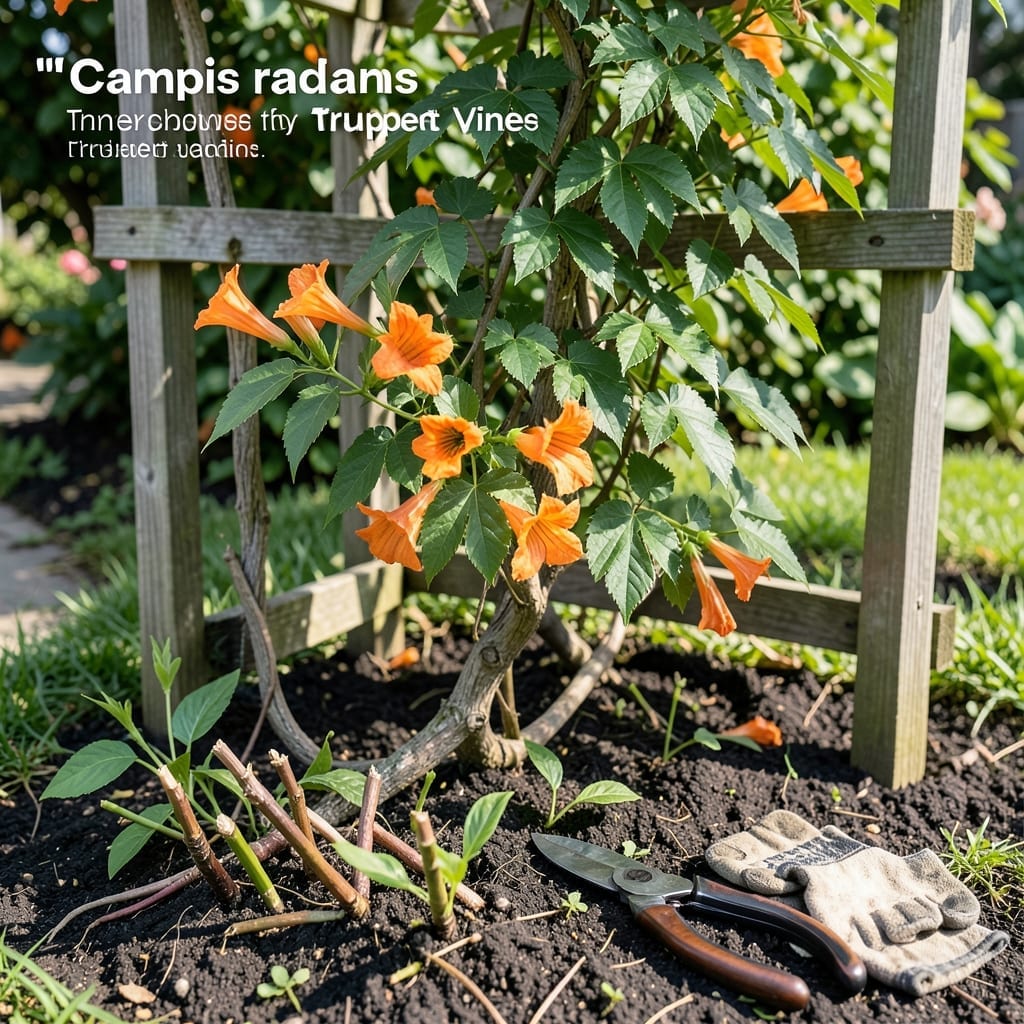
Timing your trumpet vine trimming correctly can mean the difference between a lackluster season and a burst of vibrant, healthy blooms. The 🌿 Trumpet Vine grows aggressively, so proper timing is the key to maintaining its beauty.
Prune too early or too late, and you risk cutting off this year’s flowers. This fast-growing plant thrives when you work with its natural cycle, not against it.
Let me walk you through when to trim your trumpet vine for maximum blooms and the healthiest growth. You’ll be amazed at the difference proper timing can make.
The trumpet vine blooms on new wood, meaning it produces flowers on the current season’s growth. This makes timing your trim critical for maintaining vibrant blooms.
I’ve found that late winter or early spring is ideal for major pruning. This gives the vine time to recover and produce new growth that will flower that same season.
| Pruning Time | Purpose | Best Months |
|---|---|---|
| Late Winter | Major shaping | Feb-Mar |
| Early Spring | Clean up dead wood | Mar-Apr |
| Post-Bloom | Light trimming | Sep-Oct |
Avoid pruning in mid-summer when the vine is actively blooming. Cutting back during this time removes the flower buds you’ve been waiting for all season.
For gardeners in colder USDA zones (4-5), I recommend completing pruning before the last frost. This protects the new growth that will produce your summer blooms.
In warmer zones (7-9), you can prune a bit later, even into early March. The vine will recover quickly in these milder climates.
Remember that trumpet vines are vigorous growers. They can handle heavy pruning, but timing is everything. A well-timed trim encourages more blooms and healthier growth.
If your vine has become overgrown, don’t panic. You can do a hard prune in late winter, cutting it back to 12-18 inches from the ground. This drastic cut might delay blooms for a season, but it will rejuvenate the plant.
For mature vines, I suggest a two-step approach. First, remove any dead or diseased wood in late winter. Then, do a light shaping prune after the first flush of blooms fades.
This method ensures you get maximum blooms while keeping the vine manageable and healthy throughout the growing season. ✂️
Pruning a trumpet vine properly requires the right tools and technique. I always start with sharp bypass pruners and loppers for thicker stems. Clean tools prevent disease spread.
First, identify and remove any dead or diseased wood. These cuts can be made anytime. Then, focus on shaping the vine and controlling its aggressive growth habit.
When making cuts, always prune just above a bud or branch. This encourages new growth in the right direction. Never leave stubs as they can invite disease.
For mature vines, I recommend removing about 1/3 of the oldest stems each year. This rejuvenates the plant and promotes vigor and blooming.
If your vine has taken over, don’t hesitate to make drastic cuts. Trumpet vines are tough plants that recover quickly from heavy pruning when done at the right time.
After pruning, clean up all debris to prevent pest and disease issues. I like to apply a light fertilizer to support new growth.
Remember that consistent annual pruning is easier than occasional drastic cuts. Your trumpet vine will reward you with more blooms and healthier growth each season. ✂️