
Beautiful Plants For Your Interior
Beautiful Plants For Your Interior
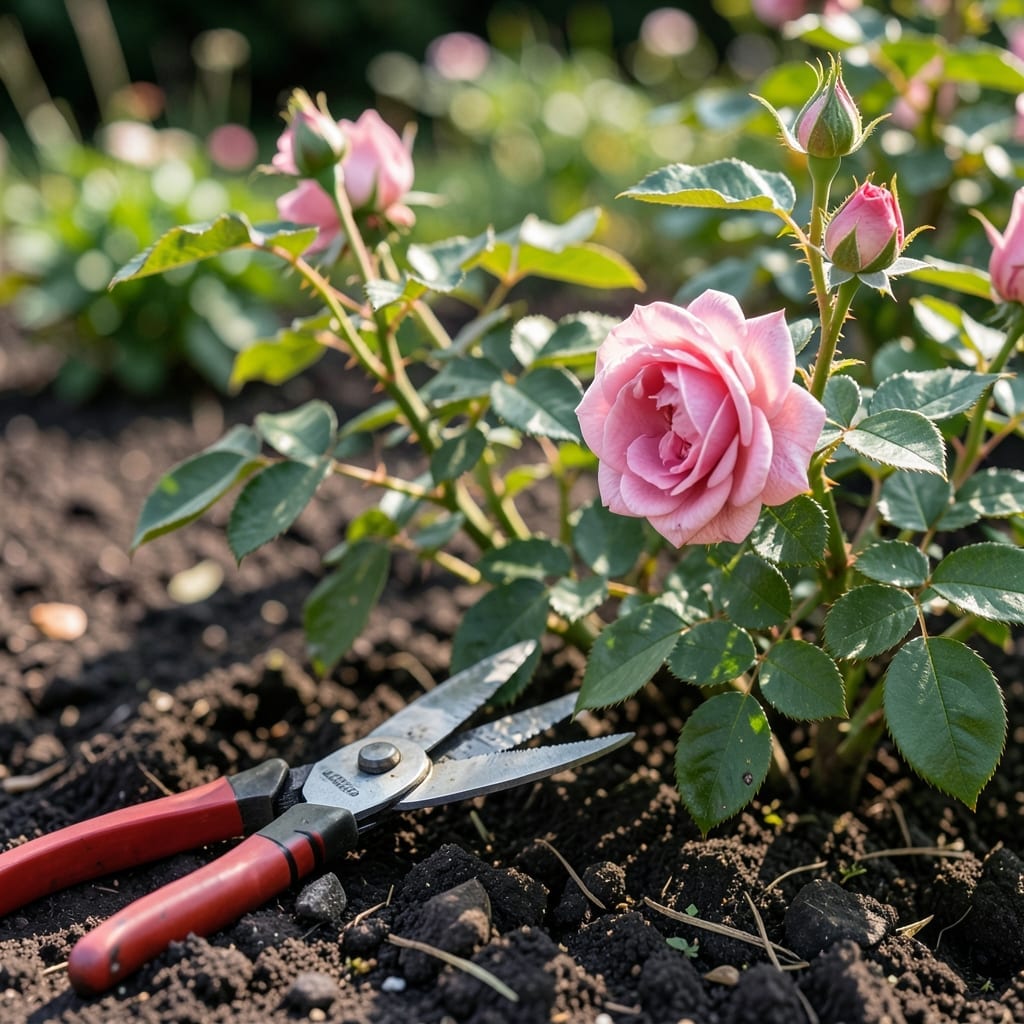
Timing your rose pruning perfectly can mean the difference between a lackluster 🌹 and a garden bursting with vibrant blooms. I’ve learned that the right moment ensures stronger growth and more abundant flowers.
Whether you’re a seasoned gardener or just starting out, knowing when to trim your Rose is the key to its success. The wrong timing can leave your plant vulnerable to disease or weak growth.
Let me share the best seasonal windows and tips to help your roses thrive. You’ll discover how simple timing adjustments can make all the difference.
I’ve found that late winter or early spring is the sweet spot for pruning most rose varieties. This timing helps prevent cold damage while encouraging strong new growth as the weather warms.
For repeat-blooming roses, I always aim to prune just as the new growth starts to emerge. This usually happens when the forsythia blooms in my area, signaling that winter’s worst is over.
| Rose Type | Best Pruning Time | Notes |
|---|---|---|
| Hybrid Tea | Late winter | Before new growth starts |
| Floribunda | Early spring | After last frost |
| Climbing Roses | After blooming | Late summer/fall |
| Once-Blooming | Right after flowering | Avoid winter pruning |
If you live in a milder climate, you might get away with pruning in fall, but I’ve learned that this can stimulate new growth that’s vulnerable to frost damage. It’s a risk I avoid.
For once-blooming roses, timing is different. I prune these immediately after they finish flowering, usually in early summer. This gives them time to grow and set buds for next year’s blooms.
I always check my USDA zone to fine-tune the timing. In zone 6, I start pruning in March, but in warmer zones like zone 9, I might begin as early as February.
Another tip I swear by: prune on a dry, sunny day. This helps the cuts heal faster and reduces the risk of disease entering through fresh wounds. I also make sure my pruning shears are sharp and clean.
For climbing roses, I take a lighter approach. I remove only dead or diseased wood in late winter, then do a more thorough pruning after their first bloom in summer.
If you’re unsure, watch for bud swell on your roses. When the buds start to plump up but haven’t opened yet, that’s your cue to start pruning. This usually happens a few weeks before the last frost in my area.
Remember, consistency is key. I’ve seen the best results when I stick to the same pruning schedule every year. My roses reward me with bigger, healthier blooms and stronger canes.
Finally, always remove 1/3 of the oldest canes to make room for new growth. This keeps the plant vigorously healthy and productively blooming each season ✂️
While seasonal timing is crucial, I’ve learned to watch for visual cues that my roses need pruning. Sometimes the plant itself tells me it’s time, regardless of the calendar.
The most obvious sign is dead wood. These are the blackened or shriveled canes that snap easily. Removing them immediately prevents disease from spreading to healthy parts.
🌹 Key Pruning Indicators
Crossing branches are another red flag. When canes rub against each other, they create wounds that invite pests and diseases. I always remove the weaker of the two crossing stems.
I pay close attention to weak or spindly stems. These won’t produce good blooms and can drain energy from the plant. Cutting them back encourages stronger growth from the base.
When the center of my rose bush becomes too dense with growth, I know it’s time to thin it out. Good air circulation is vital for preventing fungal diseases like black spot.
Disease signs like dark spots or cankers on stems are immediate signals to prune. I cut well below the affected area to ensure I’ve removed all traces of the problem.
Lastly, if I notice fewer blooms than usual or blooms that are smaller than normal, it often means the plant needs rejuvenation through pruning. This usually happens when the bush has become too woody.
Always step back and look at the overall shape of your rose bush. An unbalanced or leggy appearance often indicates it’s time for a trim ✂️