
Beautiful Plants For Your Interior
Beautiful Plants For Your Interior
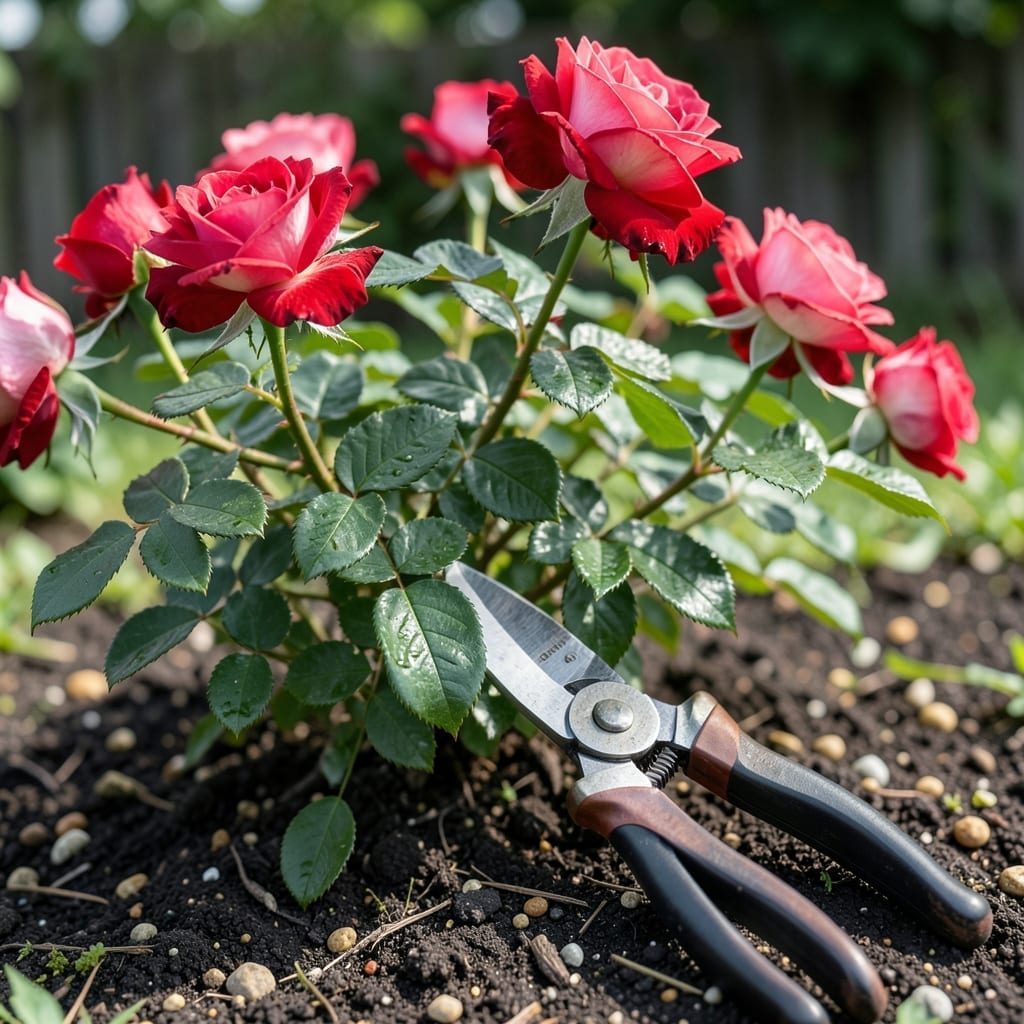
Timing your rose pruning perfectly in Virginia can mean the difference between a lackluster bloom season and a garden bursting with vibrant 🌹. The state’s unique climate demands a tailored approach.
I’ve seen firsthand how perfect timing transforms a Rose from struggling to thriving. Virginia’s 7a zone gives us a specific window that works with nature, not against it.
Discover when to make that first cut and why it matters more than you think. Your roses will thank you with their most spectacular display yet.
Virginia’s USDA zones 6-8 create a unique pruning calendar. I always recommend early spring as the primary window, just as new growth begins to emerge. This timing aligns with the last frost date around April 15.
For hybrid teas and grandifloras, this early spring prune encourages strong new canes and abundant blooms. But don’t forget about fall pruning—a light trim in September or October helps prevent winter damage.
| Rose Type | Best Pruning Time | Key Notes |
|---|---|---|
| Hybrid Teas | Early Spring | Cut back to 18-24 inches |
| Climbers | After Blooming | Prune lateral branches only |
| Shrub Roses | Early Spring | Remove 1/3 of old wood |
| Old Garden Roses | After Flowering | Light pruning shapes the bush |
I’ve found that climbing roses need a different approach. Unlike other types, they bloom on old wood, so prune them right after their spring flowering. This ensures you don’t accidentally remove the canes that will produce next year’s blooms.
For shrub roses, like Knock Out varieties, a hard prune in early spring works wonders. I cut mine back by about one-third to encourage bushier growth and more flowers. They’re forgiving and bounce back quickly.
Virginia’s humid summers can lead to fungal issues if you prune at the wrong time. Avoid pruning in late summer—this can stimulate new growth that won’t harden off before winter. Stick to the early spring or fall windows.
The Piedmont region’s clay soil can stress roses, so I always make clean cuts with sharp bypass pruners. Ragged cuts invite disease and slow down the plant’s recovery. Disinfect your tools between plants to prevent spreading any pathogens.
If you’re in the coastal areas, watch for salt spray damage. Prune out any blackened canes in late winter, before new growth starts. This keeps your roses healthy and ready for the growing season.
Remember, fall pruning should be lighter. Focus on removing dead or diseased wood and shaping the plant. Avoid heavy cuts, as this can stimulate new growth that won’t survive the first frost.
For once-blooming roses, like many old garden varieties, prune immediately after they flower. This gives them enough time to produce new canes that will bloom next year. It’s a simple rule, but it makes a big difference.
I’ve learned that observation is key. If your roses are still dormant in March, wait until you see bud swell before pruning. This ensures you’re not cutting into active growth, which can set your plants back.
Virginia’s humid summers and wet springs create perfect conditions for rose diseases. I always prune on dry days to prevent fungal spores from spreading through open wounds.
Use sharp bypass pruners and disinfect between cuts with rubbing alcohol. This simple step stops pathogens from jumping between your rose bushes and ruining your season.
⚠️ Warning: Never prune roses when leaves are wet—this invites black spot and powdery mildew. Early morning pruning after dew dries is ideal.
For Virginia’s clay-heavy soils, I recommend thinning cuts to improve air circulation. This helps prevent disease pressure during those sticky summer months.
Watch for winter dieback in late February. If you see blackened canes, prune them back to healthy wood immediately. This keeps your roses from wasting energy on dead growth.
I’ve learned that over-pruning in fall can be disastrous. Stick to light shaping and remove only dead or crossing branches. Heavy cuts can stimulate new growth that won’t survive Virginia’s first frost.
For coastal gardeners, salt spray can damage roses. Prune out any brown or crispy canes in late winter, before new growth starts. This keeps your plants healthy and ready for spring.
Always make cuts at a 45-degree angle about 1/4 inch above a bud. This helps water run off and prevents rot, which is especially important in Virginia’s humid climate ✂️