
Beautiful Plants For Your Interior
Beautiful Plants For Your Interior
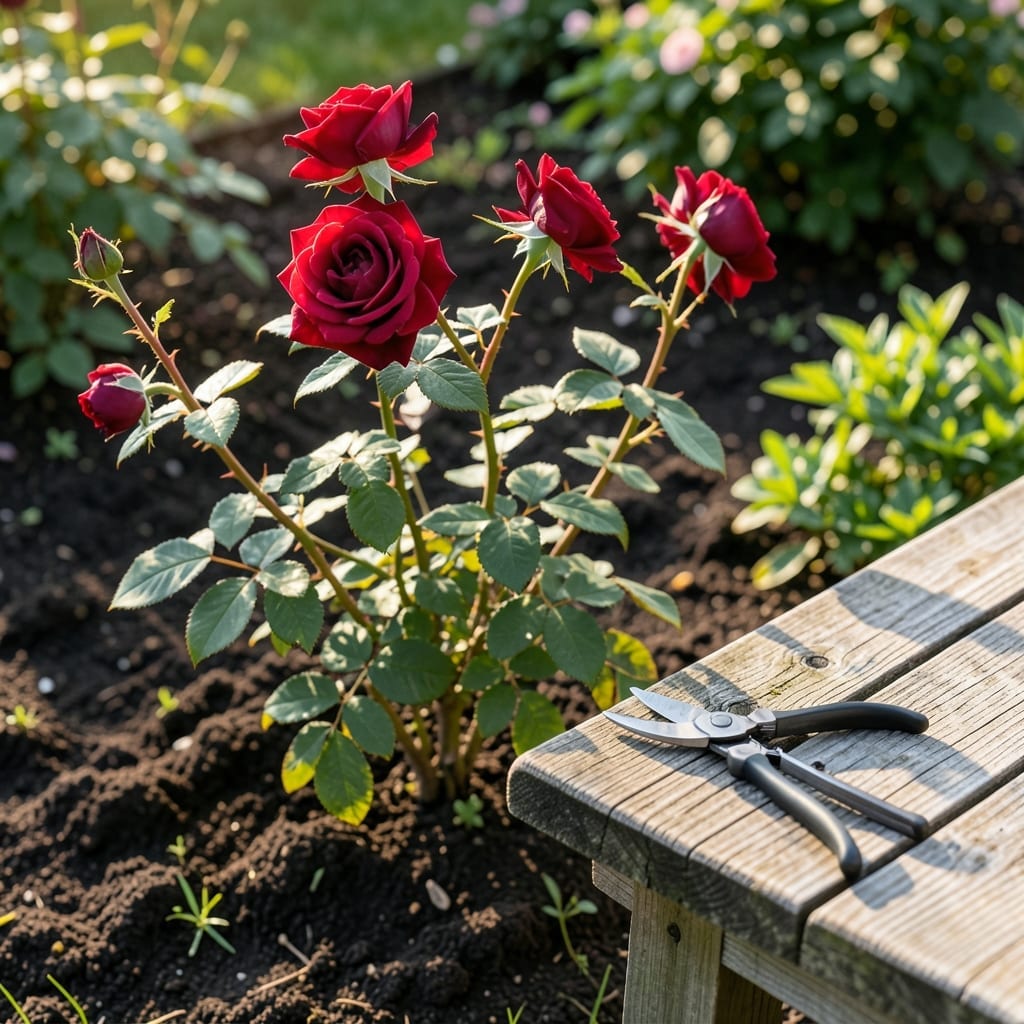
Pruning your 🌹 Rosebush at the right time can mean the difference between a lackluster plant and a vibrant, bloom-filled centerpiece. Timing is everything when it comes to encouraging healthy growth.
I’ve seen firsthand how pruning at the wrong moment can set back a season’s worth of progress. The good news? You don’t need a green thumb to get this right.
Discover the seasonal sweet spots that will transform your Rosebush from surviving to thriving. It’s simpler than you might think.
Let me walk you through when to make those crucial cuts for maximum impact. Your garden will thank you.
Timing your rosebush pruning correctly ensures vibrant blooms and healthy growth. I’ve found that most roses thrive when pruned in late winter or early spring, just as new growth begins.
For repeat-blooming varieties like hybrid teas or floribundas, a light summer trim after each flush of flowers can encourage more blooms. Climbing roses often need pruning right after flowering in late spring or early summer.
In colder climates (USDA zones 3-5), wait until the last frost date has passed to avoid winter dieback. I always check the local frost dates before grabbing my pruners.
For warmer regions (zones 7-10), you can prune as early as January or February. The key is to prune before the spring growth flush starts, giving the plant time to recover.
Summer pruning is mostly for maintenance. I lightly trim back spent blooms and shape the bush to keep it tidy. This also helps redirect energy to new flower production.
Avoid heavy pruning in late summer or fall. This can stimulate new growth that won’t have time to harden off before winter frost, leaving the plant vulnerable to damage.
If you’re unsure, watch for bud swell on the canes. That’s nature’s signal that it’s time to prune. I also look for green tissue inside the stems when I make a test cut.
Remember, clean and sharp tools are essential. I always disinfect my pruners between plants to prevent spreading diseases like black spot or powdery mildew.
With the right timing and care, your rosebush will reward you with abundant blooms all season long ✂️
I always tell gardeners that rosebushes speak through their growth. When I see dead or blackened canes, that’s my first clue it’s time to grab the pruners. These lifeless branches drain energy from healthy growth.
Another clear signal is an overcrowded center with too many stems. This reduces air circulation and can lead to disease. I look for weak, spindly growth too – these won’t produce quality blooms.
I pay special attention to spent blooms on repeat-flowering varieties. Deadheading encourages new blooms and keeps plants tidy. I use sharp bypass pruners for clean cuts at a 45-degree angle.
For climbing roses, I watch for old, non-flowering canes. These should be removed to make way for new, productive growth. I also prune any crossing branches that rub together.
In my experience, late winter is ideal for major pruning, but I don’t hesitate to trim damaged or diseased wood anytime. Regular maintenance keeps my rosebushes healthy and blooming abundantly ✂️
The key is to be proactive but not overzealous. I never remove more than 1/3 of the plant at once. This approach helps my roses recover quickly and produce those gorgeous blooms I love so much 🌹