
Beautiful Plants For Your Interior
Beautiful Plants For Your Interior
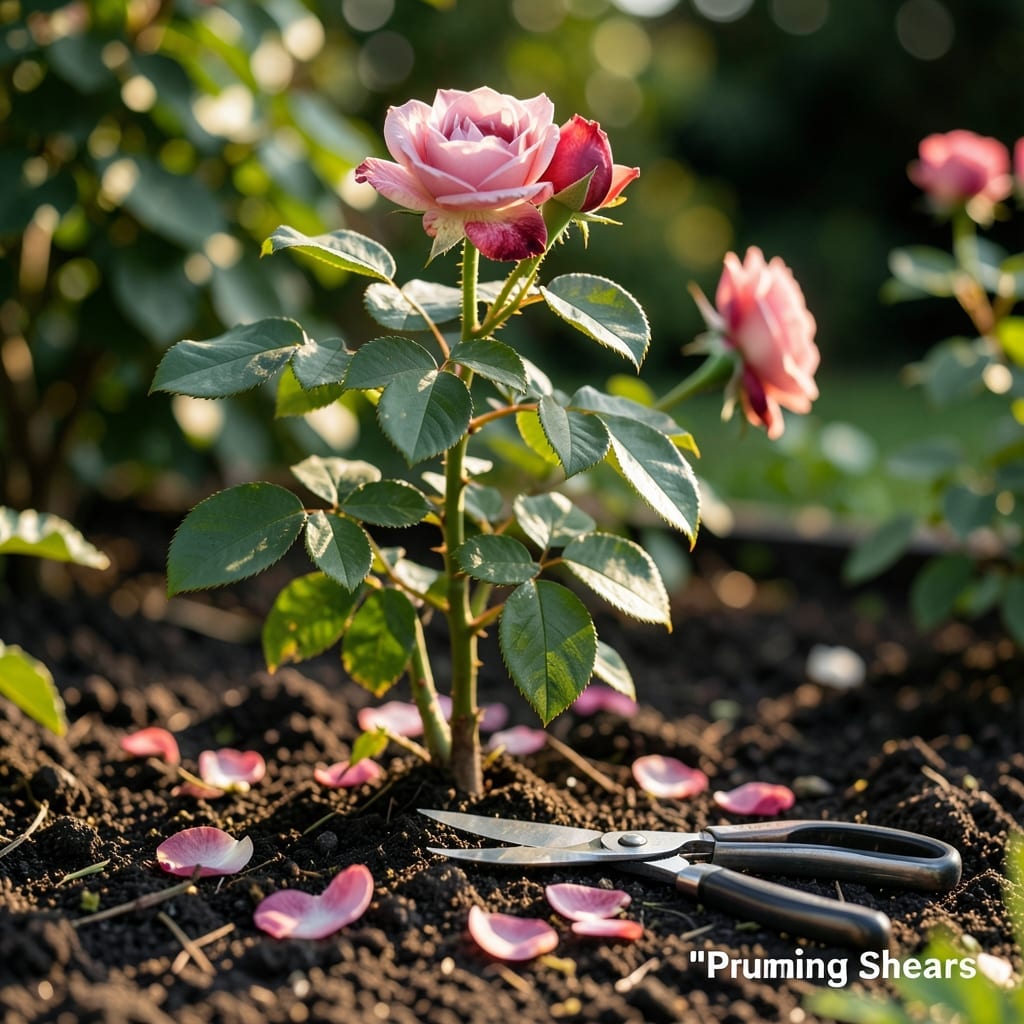
Timing your rose bush trimming correctly in North Carolina can mean the difference between vibrant, healthy 🌹 blooms and a lackluster, disease-prone plant.
With the state’s unique climate zones, knowing the exact seasonal windows is the key to maximizing your garden’s beauty. I’ve seen firsthand how proper timing transforms a struggling Rose into a showstopper.
Whether you’re in the coastal plains or the mountain regions, the timing varies slightly. But there’s a simple rule of thumb that works for most of NC.
Discover when to pull out those pruners for the best results with your Roses this year. Your garden will thank you for it.
Timing your rose bush trimming in North Carolina depends on your region and rose type. The state spans USDA zones 7b-8a, meaning mild winters and early springs shape our pruning calendar differently than northern states.
For most hybrid tea and floribunda roses, I recommend pruning in late February through early March. This window aligns with when forsythia blooms but before new growth starts.
| Rose Type | Best Pruning Time | NC Regional Notes |
| Hybrid Tea | Late Feb – Early March | Before buds swell in Piedmont |
| Floribunda | Late Feb – Early March | Coastal areas can start earlier |
| Climbing | After Spring Bloom | Mountains: wait until April |
| Old Garden | After Flowering | Post-bloom prune in all zones |
In the coastal plains, our warmer winters mean I often start pruning 2-3 weeks earlier than the mountains. Watch for swelling buds as your cue that it’s time to begin.
The Piedmont region offers the most flexibility. Here, I prune my rose bushes between February 15th and March 15th, adjusting based on the year’s weather patterns.
For climbing roses, the timing differs. I wait until after their spring bloom to prune, typically in April or May. This ensures I don’t cut off potential flowers.
Mountain gardeners should delay pruning until mid-March to early April. The higher elevation means colder temperatures last longer, and pruning too early can lead to frost damage.
Always use sharp bypass pruners and make 45-degree cuts about 1/4 inch above an outward-facing bud. This technique helps prevent disease and encourages healthy new growth.
After pruning, I apply a balanced fertilizer to give my roses a nutritional boost. In NC’s humid climate, this also helps the plants recover faster from the stress of pruning.
Remember, these are guidelines. Each year’s weather may require adjustments. When in doubt, I watch my rose bushes closely – they’ll often tell me when they’re ready for their annual trim. ✂️
Pruning rose bushes in North Carolina requires timing and technique. I always start by choosing a dry day in late winter or early spring, just as new growth begins but before buds break. This window helps prevent frost damage while encouraging strong, healthy stems for the growing season.
Before you begin, gather your tools: sharp bypass pruners, long-handled loppers, and gardening gloves for protection. Clean your tools with rubbing alcohol to avoid spreading disease between plants. Safety and hygiene are just as important as the pruning itself.
In North Carolina’s humid subtropical climate, I pay extra attention to airflow during pruning. Removing crossing branches and opening the center helps reduce fungal diseases like black spot, which thrive in our warm, moist conditions.
For climbing roses, wait until after the first big bloom in spring. These varieties flower on old wood, so pruning too early can sacrifice that season’s blossoms. I prune my climbers right after their spring flush to shape them for next year.
After pruning, I always fertilize lightly and water deeply to help the plant recover. A balanced 10-10-10 fertilizer works well in our NC soil. This encourages strong new growth and prepares the bush for a spectacular blooming season.
Remember, every cut should have a purpose. Whether it’s for shape, health, or airflow, thoughtful pruning will reward you with bigger blooms and a healthier plant long-term. ✂️