
Beautiful Plants For Your Interior
Beautiful Plants For Your Interior
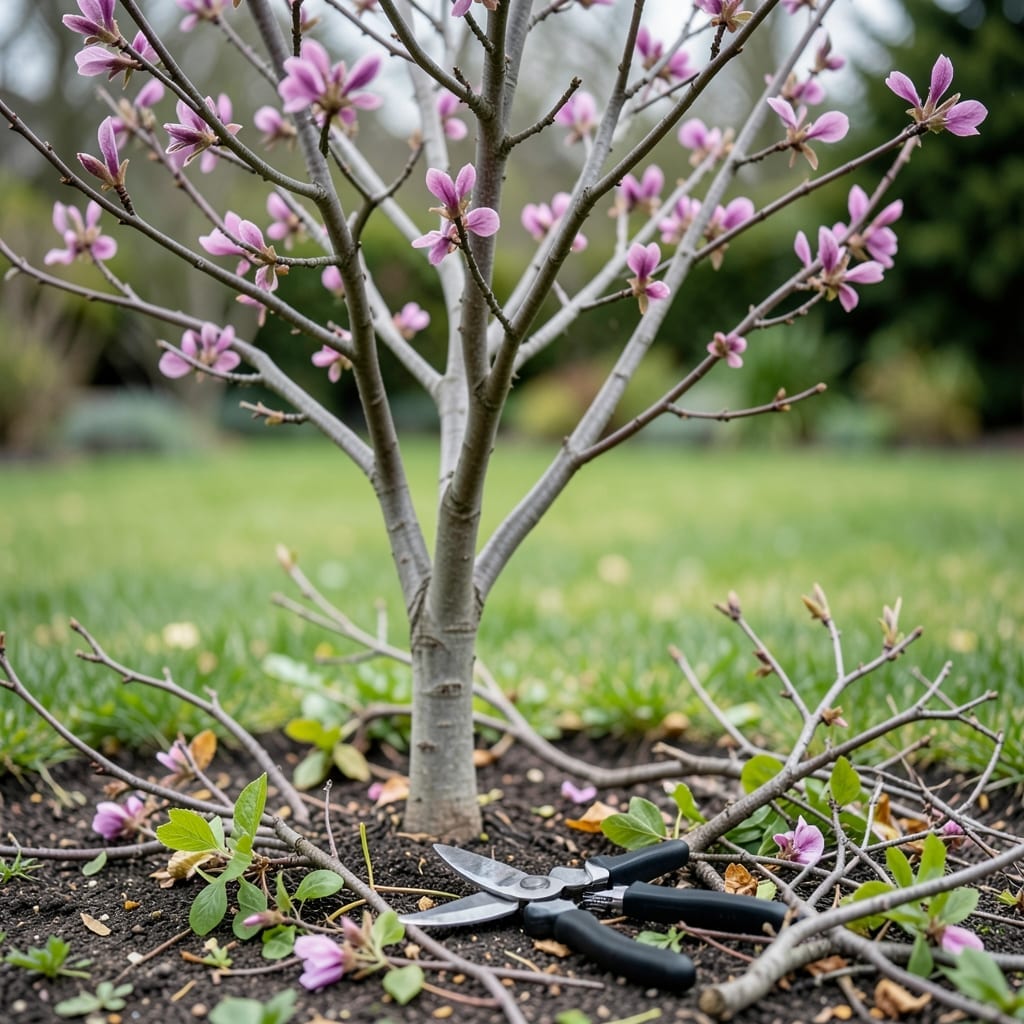
Timing your redbud tree trimming wrong can stunt growth or leave it vulnerable to disease. I’ve seen healthy 🌳 Redbud Trees suffer from poorly timed cuts, and it’s completely avoidable.
Discover the ideal windows to prune for vibrant blooms and strong structure. The right timing makes all the difference in keeping your tree thriving.
Learn how to align your trimming with the tree’s natural cycles for the best results. It’s simpler than you think.
The best time to trim your redbud tree is in late winter or early spring, just before new growth starts. This timing helps avoid stressing the tree during active growth periods.
I always recommend pruning before the bud break to encourage strong, healthy branches. This window also reduces the risk of disease entering through fresh cuts.
🌳 Redbud Tree Pruning Timeline
| Season | Best Action | Avoid |
|---|---|---|
| Late Winter | Prune for structure | Heavy cuts |
| Early Spring | Light shaping | Pruning during bloom |
| Summer | Remove dead wood | Major pruning |
| Fall | Minimal cleanup | Any pruning |
Avoid trimming during fall or winter when the tree is dormant. Cold temperatures can prevent proper healing of cuts, making the tree vulnerable.
Another ideal window is right after the tree finishes blooming. This allows you to remove spent flowers and shape the canopy without disrupting next year’s buds.
I’ve found that pruning in extreme heat or during drought conditions stresses the tree. Always check the weather forecast before starting.
For young redbuds, focus on establishing a strong central leader. Remove any competing branches early to encourage proper growth habits.
Remember, light pruning is better than heavy cuts. Redbuds respond well to gentle shaping rather than drastic changes to their structure.
If you notice diseased branches, remove them immediately regardless of season. Use clean, sharp tools to prevent spreading infections.
After pruning, I recommend applying a thin layer of mulch around the base. This helps retain moisture and protects the root system during recovery.
With proper timing and technique, your redbud will reward you with vibrant blooms and healthy growth for years to come ✂️
Pruning your redbud tree correctly ensures vibrant blooms and a strong structure. I always start with clean, sharp tools to make precise cuts and prevent disease.
Begin by removing any dead, diseased, or crossing branches. These can drain the tree’s energy and create entry points for pests.
Pruning Steps for Healthy Redbuds
When making cuts, follow the 3-cut method for larger branches to prevent bark tearing. Start with an undercut, then a top cut, and finally remove the stub.
Focus on maintaining the tree’s natural shape rather than forcing an unnatural form. Redbuds have a beautiful, graceful structure that thrives with minimal intervention.
For young trees, prioritize establishing a single central trunk. Remove competing leaders early to prevent future structural issues.
Always make cuts just outside the branch collar — that swollen area where the branch meets the trunk. This helps the tree heal faster and reduces infection risk.
After pruning, step back and admire your work. A well-pruned redbud will reward you with stunning spring blooms and healthy growth ✂️