
Beautiful Plants For Your Interior
Beautiful Plants For Your Interior
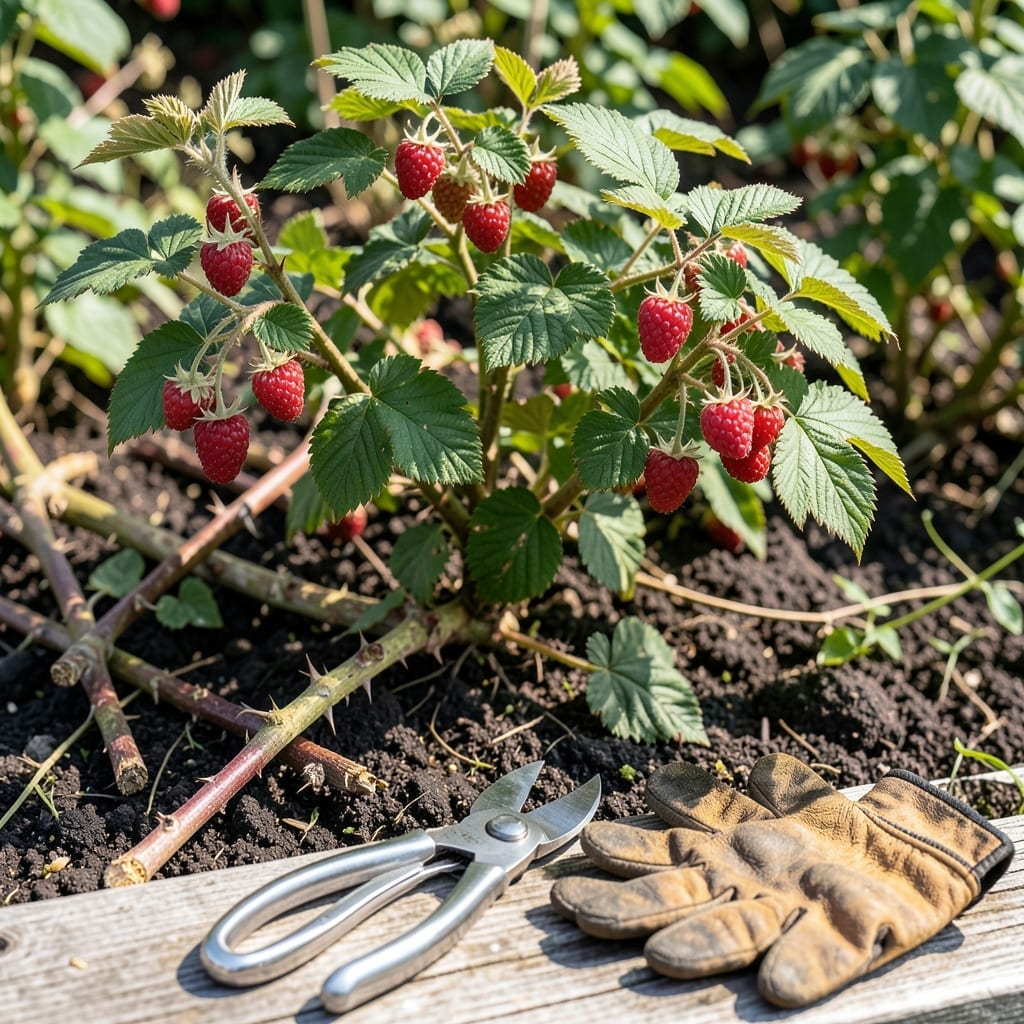
Pruning raspberry bushes at the right time is the key to healthier plants and bumper harvests year after year. Miss the window, and you risk stunted growth or lost fruit.
With the 🍇 Raspberry, timing makes all the difference between a thriving patch and a disappointing one. I’ve seen firsthand how a simple trim at the proper moment transforms a garden.
Discover when to wield those shears for maximum yield and plant vitality. It’s easier than you think, with just a little know-how.
Timing your pruning right means bigger harvests and healthier plants. Raspberry bushes need different care based on their type.
Summer-bearing and ever-bearing varieties have unique schedules. I’ll break down the best months and cues for each.
| Raspberry Type | Pruning Time | Key Action |
|---|---|---|
| Summer-bearing | Late winter (Feb-Mar) | Remove old canes, thin new shoots |
| Ever-bearing | Early spring (Mar-Apr) | Cut back all canes by 1/3 |
| Both Types | After harvest | Trim spent canes to ground |
For summer-bearing raspberries, I prune in late winter before buds swell. This removes dead wood and opens the center for airflow.
Ever-bearing varieties need a lighter touch. I cut back canes in early spring to encourage new growth and fruit production.
After the final harvest, both types benefit from a cleanup. I remove all spent canes at ground level to prevent disease.
Watch for visual cues like brown, brittle canes. These are goners and should be removed immediately to make way for healthy new shoots.
In colder climates, delay pruning until the worst frost has passed. This protects the plant from winter damage.
For fall-bearing types, a second pruning in summer can boost late-season yields. I trim the tips of new canes to encourage branching.
Always use sharp bypass pruners for clean cuts. This minimizes plant stress and reduces the risk of disease entry.
Remember, consistency is key. A yearly pruning schedule keeps your raspberry patch productive and disease-free for years to come ✂️
Pruning raspberry canes correctly ensures strong growth and maximum fruit production. The right tools and techniques make all the difference in your patch’s success.
I always start with clean, sharp bypass pruners and thick gardening gloves. These protect both me and the plants from damage and disease.
For summer-bearing raspberries, I focus on removing 2-year-old canes that have already fruited. These won’t produce again and can spread disease.
With ever-bearing types, I’m more aggressive. I cut back all canes by about a third in early spring to stimulate new growth and two crops.
Always make clean, angled cuts just above a bud. This helps water run off and prevents rot from setting in on the fresh wound.
After pruning, I sanitize my tools with rubbing alcohol. This simple step stops the spread of fungal diseases between plants in my garden.