
Beautiful Plants For Your Interior
Beautiful Plants For Your Interior
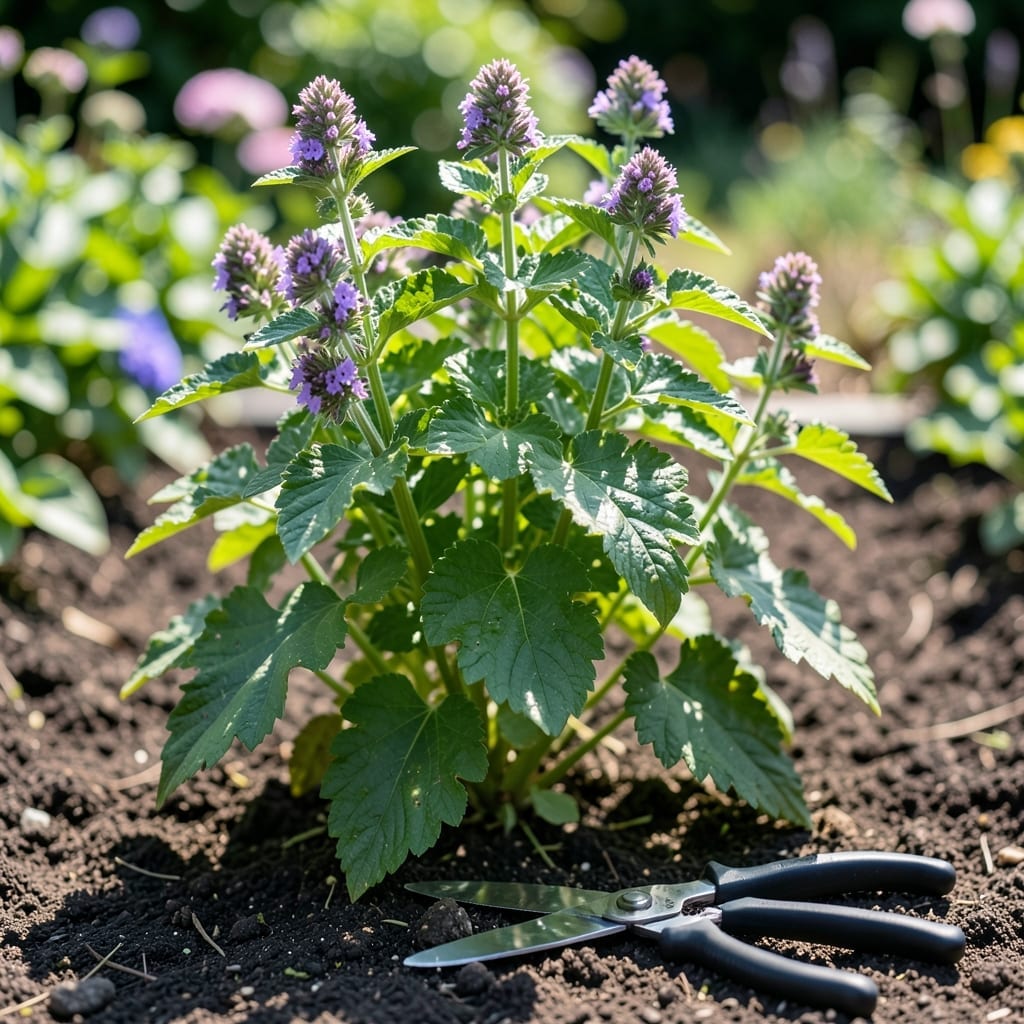
Trimming your 🌸 Perennials at the right time can mean the difference between a struggling garden and one that bursts with color and life. It’s not just about making things look tidy—it’s about giving your plants the best chance to thrive.
I’ve seen what happens when pruning is done too early or too late, and it’s not pretty. The good news? With a few simple guidelines, you can avoid those common mistakes and keep your garden looking its best.
Discover how seasonal timing affects growth and blooms, and why spring or fall might be your best windows for success. Let’s get started.
Getting the timing right for perennial trimming can feel overwhelming, but I’ve found that breaking it down by season and plant type makes it much simpler. Each variety has its own rhythm.
Spring is ideal for early bloomers like bleeding hearts and columbines, while summer calls for deadheading daylilies and coneflowers to encourage more blooms. Fall and winter have their own rules too. ✂️
| Plant Type | Best Trimming Time | Purpose |
|---|---|---|
| Spring Bloomers | After flowering | Encourage new growth |
| Summer Bloomers | Early spring or fall | Maintain shape and health |
| Grasses | Late winter/early spring | Remove old foliage |
| Woody Perennials | Late winter | Promote vigorous growth |
I always start my spring cleaning in the garden by cutting back dead foliage from perennials like hostas and sedum. This clears the way for fresh growth and prevents disease.
For fall bloomers such as asters and mums, I wait until early spring to trim. This protects the new buds forming at the base, which would be lost if I pruned in fall.
Summer-flowering perennials like bee balm and phlox benefit from a mid-summer trim after their first flush of blooms. This encourages a second bloom and keeps plants compact.
Ornamental grasses are a special case. I leave them standing through winter for visual interest, then cut them back to 6 inches in late winter before new growth starts.
For woody perennials like butterfly bush and Russian sage, late winter is perfect. I use sharp pruners to cut back to live wood, about 1/3 of the height.
Remember, the general rule is to trim spring bloomers after they flower, and summer/fall bloomers in early spring or after they finish blooming.
Proper timing also depends on your USDA zone. In my Zone 6 garden, I adjust by a few weeks based on frost dates. Warmer zones can trim earlier, while colder areas should wait.
By following these seasonal guidelines, you’ll give your perennials the best chance to thrive, with stronger stems, more blooms, and healthier plants overall. 🌱
Even experienced gardeners make pruning mistakes that can harm their perennials. I’ve learned the hard way that timing isn’t the only factor—technique and tool condition matter just as much for plant health. ✂️
One of the most common errors is cutting too early in spring before new growth appears. This can remove emerging buds and set your plants back weeks. Another is over-pruning, which stresses the plant.
⚠️ Warning: Avoid These Pruning Pitfalls
Cutting at the wrong time can remove flower buds or leave plants vulnerable to disease.
I see many gardeners using dull pruners, which creates ragged cuts that invite disease. Always use sharp, clean tools to make precise cuts that heal quickly. It’s a simple step that makes a big difference.
Another mistake is ignoring plant-specific needs. While most perennials benefit from spring cleanup, some like lavender and rosemary prefer light pruning after flowering rather than heavy spring cuts.
Never remove more than 1/3 of a plant at once. This rule helps prevent shock. For woody perennials, cutting back too hard can delay blooming or even kill the plant in harsh climates.
I’ve also learned to avoid pruning during extreme weather. Hot, dry days stress plants, while wet conditions can spread disease. Aim for cool, dry mornings for the best results.
By steering clear of these common pitfalls, you’ll help your perennials grow stronger and produce more beautiful blooms each season. 🌿