
Beautiful Plants For Your Interior
Beautiful Plants For Your Interior
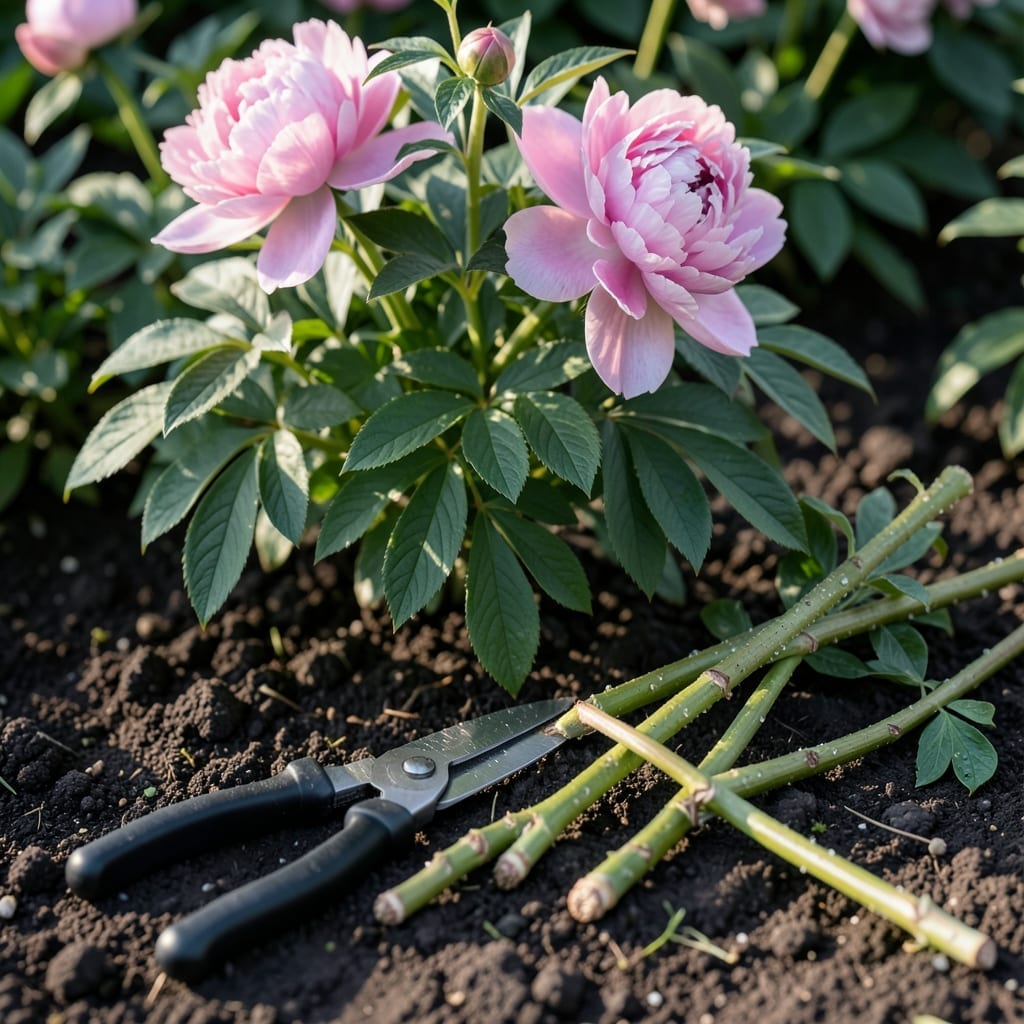
Timing your peony pruning perfectly can mean the difference between a lackluster garden and a burst of vibrant, abundant blooms next season. The 🌸 Peony thrives when trimmed at just the right moments.
I’ve learned that fall is the most important window for cutting back these plants. Getting the timing right ensures healthier growth and bigger blooms come spring.
Let me walk you through the seasonal signals that tell you it’s time to grab those shears. You’ll discover how simple adjustments in your approach can transform your garden.
Getting the timing right for peony pruning is crucial for vibrant blooms. I always watch for fading flowers as the first sign it’s time to act. This post-bloom period is your first pruning window.
Peonies need different care at different times. The fall season is when most major pruning happens, but there are other key moments to consider throughout the year.
| Stage | Action | Timing |
|---|---|---|
| Post-Bloom | Deadhead spent flowers | June-July |
| Fall Cleanup | Cut back to 3-4 inches | October-November |
| Spring | Remove winter-damaged stems | Early March |
After blooming, I deadhead my peonies by cutting just below the spent flower and above the first set of leaves. This prevents seed formation and directs energy to root growth. ✂️
The most important pruning happens in fall. I wait until after the first frost when foliage starts to yellow. This signals the plant is entering dormancy and ready for a major trim.
During fall pruning, I cut all stems down to 3-4 inches above ground level. This helps prevent diseases and removes hiding places for pests over winter. Always dispose of foliage – never compost it.
In early spring, I inspect my peonies for any winter damage. Damaged or diseased stems should be removed immediately to prevent spread of issues to healthy growth.
Avoid pruning during the growing season except for deadheading. Cutting back healthy foliage reduces the plant’s ability to photosynthesize and store energy for next year’s blooms.
For herbaceous peonies, the fall cutback is essential. Tree peonies require slightly different care – they only need light shaping after flowering and removal of any dead wood in spring.
By following these timing guidelines, you’ll give your peonies the best chance to thrive and produce those gorgeous blooms we all love. 🌸
Mastering peony pruning means knowing the right tools and techniques for each season. I always start with sharp bypass pruners to ensure clean cuts that heal quickly.
For post-bloom deadheading, I use my pruners to remove just the spent flowers, cutting at a 45-degree angle to prevent water pooling on the stem. This small step makes a big difference in plant health. ✂️
In fall, I
For tree peonies, I take a gentler approach. After flowering, I only remove crossing branches and shape lightly. These woody stems need less aggressive pruning than herbaceous types.
I always disinfect my tools before starting and between plants. A simple bleach solution works well for this. It’s an easy step that prevents many common peony problems.
After pruning, I apply a thin layer of mulch around the base. This protects the crown during winter and helps retain moisture. Just be sure to keep mulch away from stems to prevent rot. 🌿