
Beautiful Plants For Your Interior
Beautiful Plants For Your Interior
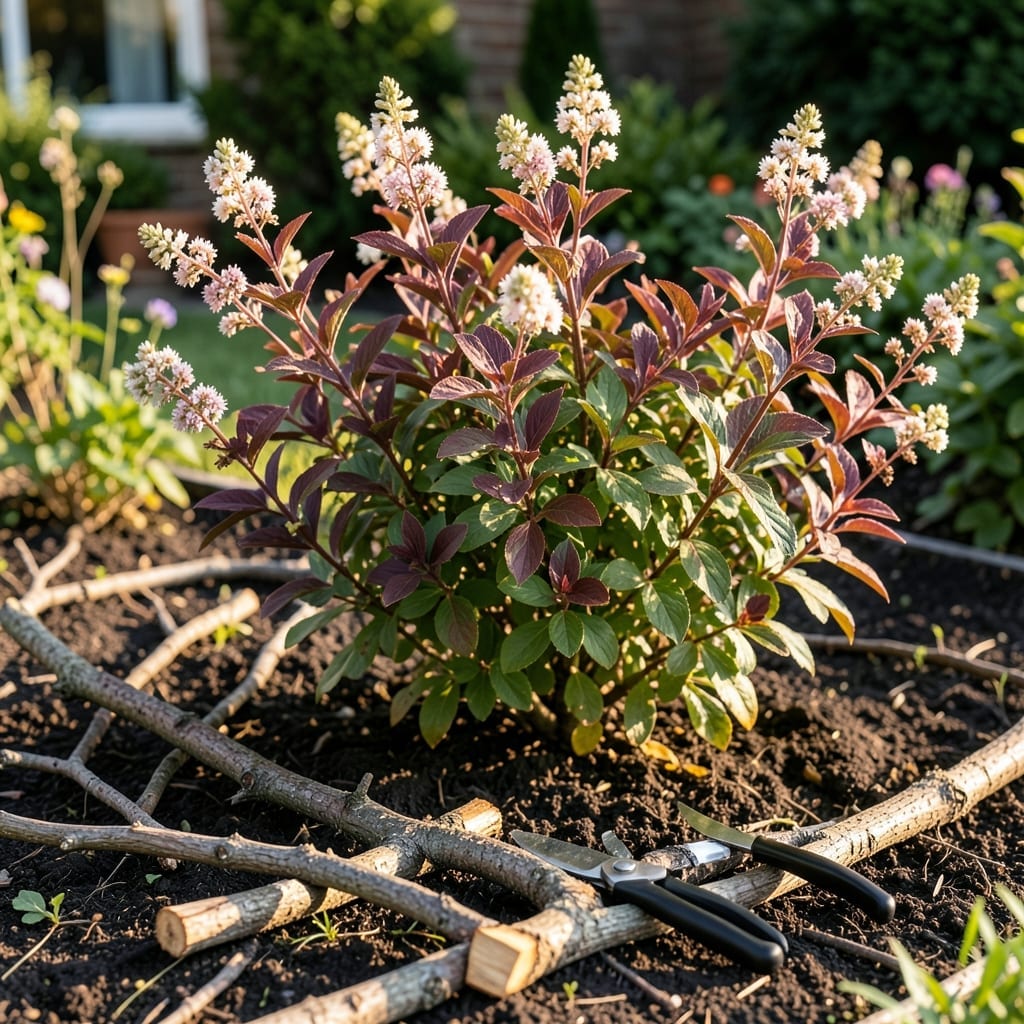
Timing is everything when it comes to keeping your 🌿 Ninebark looking its best. Prune at the wrong moment, and you might accidentally harm this hardy shrub rather than help it.
I’ll show you the most effective windows to trim for vibrant growth and robust blooms. It’s easier than you think to get it right.
Discover the simple seasonal cues that ensure your Ninebark thrives year after year. Let’s get started.
The best time to prune ninebark is in late winter or early spring, just before new growth begins. This timing allows the shrub to recover quickly and promotes healthy blooms in the coming season.
Avoid pruning in the fall because it can stimulate tender new growth that may be damaged by frost. Summer pruning is only for light shaping and should be minimal.
| Season | Action | Reason |
|---|---|---|
| Late Winter | Prune heavily | Removes old wood, encourages new growth |
| Early Spring | Shape and thin | Prepares for blooming season |
| Summer | Light trimming | Maintains shape, avoids stress |
| Fall | Avoid pruning | Prevents frost damage to new growth |
For USDA zones 3-7, where ninebark thrives, March to early April is typically ideal. This window ensures the plant has enough time to recover before the growing season starts in earnest.
If you live in a warmer climate, you might start pruning a bit earlier. In colder regions, wait until the worst of the frost has passed to avoid damaging the shrub.
Pruning in late winter also makes it easier to see the plant’s structure. With no leaves, you can clearly identify dead or diseased branches that need removal.
I always recommend removing up to one-third of the oldest stems at the base. This rejuvenates the shrub and keeps it looking full and vibrant throughout the year.
If your ninebark is overgrown, don’t be afraid to give it a more aggressive trim. This plant is forgiving and will bounce back quickly with the right care.
Remember, the goal is to maintain the plant’s natural shape while encouraging healthy growth and abundant flowering. A little attention each year goes a long way.
By following these seasonal guidelines, you’ll ensure your ninebark remains a stunning focal point in your garden for years to come ✂️
Pruning ninebark doesn’t have to be intimidating. I always start with the right tools: sharp bypass pruners for small branches and loppers for thicker stems. Clean tools prevent disease spread.
First, I inspect the shrub for dead or diseased wood, removing these branches at their base. Next, I look for crossing or rubbing branches and thin them out to improve airflow.
For rejuvenation pruning, I remove the oldest stems at ground level. This encourages new growth from the base, keeping the shrub vigorous. Do this gradually over 2-3 years for best results.
When shaping, I make heading cuts to control size, but avoid overdoing it. Ninebark blooms on new wood, so pruning in late winter won’t sacrifice flowers.
Always step back frequently to assess your progress. It’s easier to make additional cuts than to fix over-pruning. I aim for a natural shape that complements the plant’s growth habit.