
Beautiful Plants For Your Interior
Beautiful Plants For Your Interior
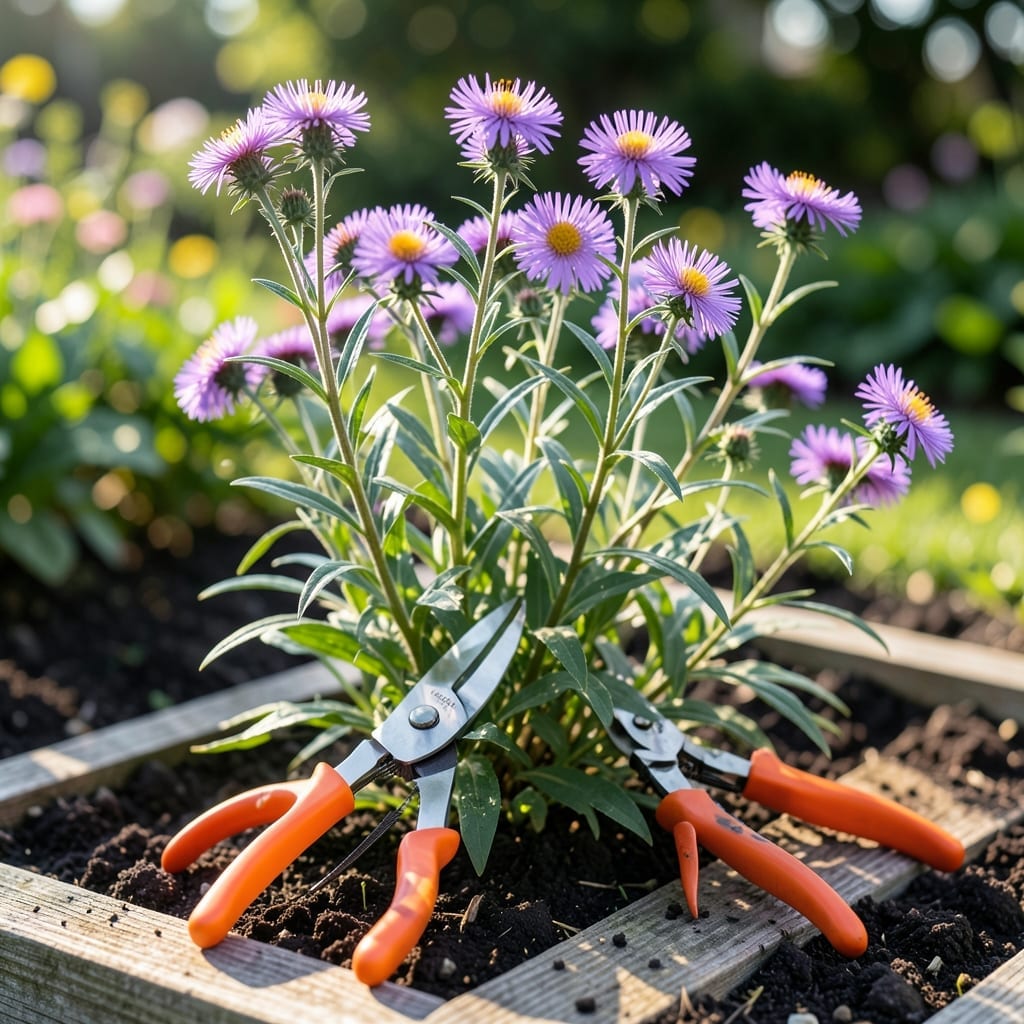
Timing your aster pruning correctly can mean the difference between a lackluster garden and a vibrant burst of late-season color. These hardy 🌼 perennials reward thoughtful care with abundant blooms.
Cut them back at the wrong time and you might accidentally sacrifice next year’s flowers. The key is understanding their natural growth cycle and when they need that extra attention.
I’ll show you exactly when to pull out those pruners for healthier plants and more spectacular displays. Let’s get started.
I’ve found that early spring is the ideal time to trim most aster varieties. Just as new growth begins to emerge at the base, grab your pruners and get to work. This timing gives your plants the entire growing season to develop strong, bushy stems that will support abundant blooms.
For fall-blooming asters, which are most common, I recommend trimming in late winter or very early spring. The goal is to cut them back before the new growth starts, typically 4-6 weeks before your last expected frost date.
| Aster Type | Best Pruning Time | Purpose |
|---|---|---|
| Fall-blooming | Late winter or early spring | Encourage bushy growth |
| Spring-blooming | After flowering | Shape plant and promote blooms |
| All varieties | Deadheading | Encourage more flowers |
If you’re dealing with spring-blooming asters, which are less common, you’ll want to prune immediately after they finish flowering. This gives the plant time to develop new growth that will bloom the following year. I always mark my calendar to check these right after their bloom cycle ends.
Regional climate plays a big role in timing. In warmer zones (7-9), I start looking at my asters for pruning as early as February. Gardeners in cooler areas (zones 3-5) should wait until March or April when the soil begins to warm.
For deadheading, which removes spent blooms, I do this throughout the growing season. This isn’t the same as major pruning but helps direct the plant’s energy toward producing more flowers rather than seeds. I simply snip off the faded blooms just above a set of leaves.
I’ve learned that hard pruning (cutting back by about 1/3 of the plant’s height) in early spring results in more compact, flower-filled plants. For taller varieties, this prevents them from becoming leggy and flopping over when they bloom.
If your asters have become overgrown or woody at the base, don’t hesitate to give them a more drastic cut. These tough plants can handle it, and you’ll often see a dramatic improvement in their appearance and flowering the following season.
Remember that late fall pruning isn’t recommended. While it might be tempting to tidy up your garden before winter, cutting back asters in fall removes the protective foliage that helps insulate the plant’s crown during cold weather. I leave mine standing until spring cleanup.
For the best results, I always prune on a dry day using clean, sharp pruners. This helps prevent the spread of disease and ensures clean cuts that heal quickly. After pruning, I give my asters a light feeding with a balanced fertilizer to support their new growth.
By following these timing guidelines, you’ll be rewarded with healthier plants and more abundant blooms that will be the star of your late-season garden ✂️🌼
Pruning asters properly ensures stronger stems and more vibrant blooms. I always start by gathering the right tools: sharp bypass pruners and a pair of gardening gloves for protection against thorny stems.
First, inspect your plants for any dead or damaged stems. These should be removed at the base to allow the plant to focus its energy on healthy growth. This step keeps your aster looking tidy and prevents disease.
When making cuts, always angle your pruners at 45 degrees just above a leaf node or bud. This helps water run off the cut surface and reduces the chance of disease setting in.
For taller aster varieties, I often cut them back by half their height in early spring. This aggressive pruning might seem drastic, but it results in sturdier stems that won’t flop over when heavy with blooms.
After pruning, I like to give my asters a light balanced fertilizer to support new growth. A 5-10-10 formula works well, applied according to package instructions. This boost helps the plant recover quickly.
Finally, always clean your pruners with rubbing alcohol between plants to prevent disease spread. I keep a small spray bottle handy in my gardening kit for this exact purpose ✂️🌼