
Beautiful Plants For Your Interior
Beautiful Plants For Your Interior
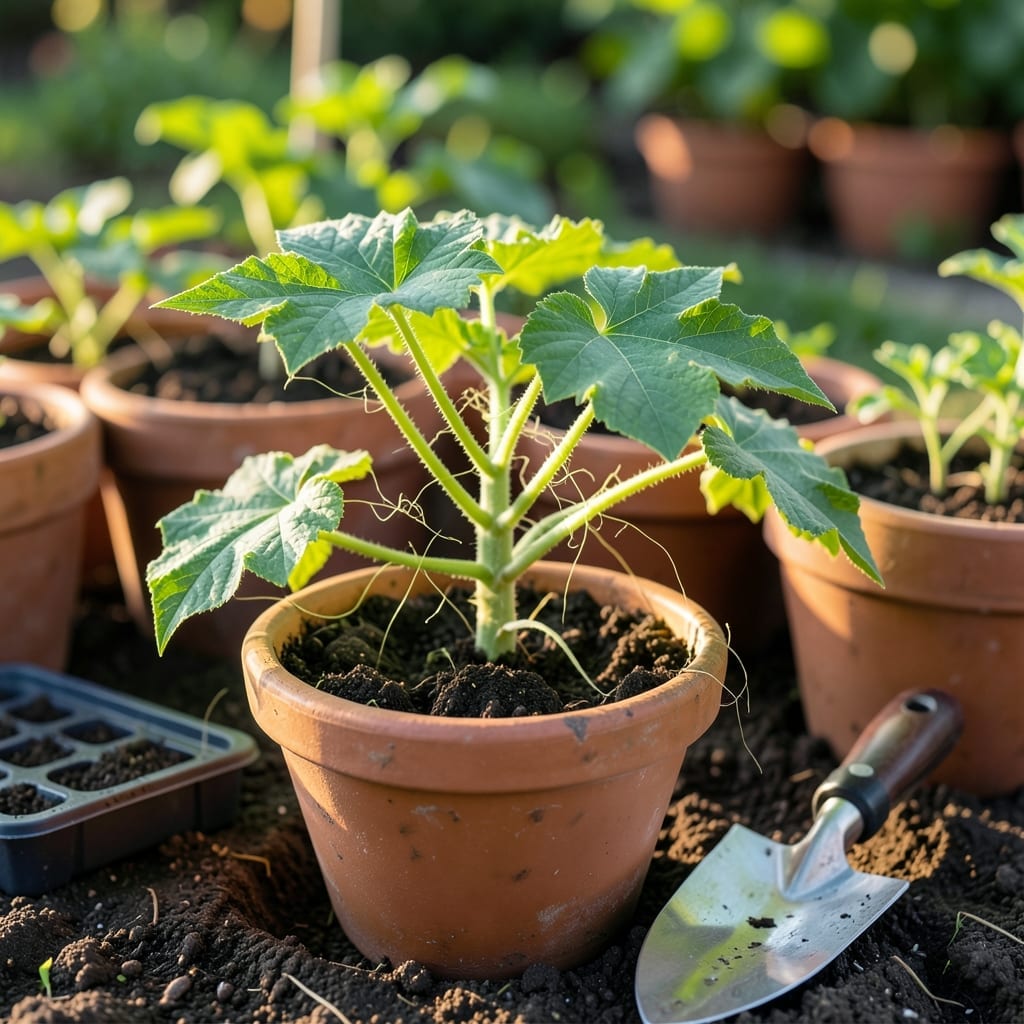
Transplanting watermelon seedlings at the right time can mean the difference between a bountiful harvest and struggling vines. Knowing the exact signs to look for ensures your young 🍉 Watermelon plants thrive in their new home.
I’ve seen too many gardeners rush this process, only to watch their seedlings wilt under stress. Timing is everything, especially when dealing with delicate plants like Watermelon in zone 6a.
Discover the visual cues and environmental conditions that signal your seedlings are ready. Let me walk you through what to watch for before making the move.


I always tell gardeners that watermelon seedlings reveal their readiness through clear visual cues. The first sign I look for is the development of 2-3 true leaves, which appear after the initial seed leaves.
These true leaves indicate the plant has established a strong root system and can handle the stress of transplanting. The stem should also be thick and sturdy, not thin or leggy.
| Sign | What to Look For |
|---|---|
| True Leaves | 2-3 developed leaves |
| Stem Strength | Thick, sturdy, 6-8 inches tall |
| Root System | White, healthy roots filling container |
| Soil Temp | Minimum 70°F for 3 consecutive days |
Another critical factor is environmental conditions. I never transplant until the soil temperature consistently reaches at least 70°F. Use a soil thermometer to check this.
Also, ensure all danger of frost has passed. In my zone 6a garden, this means waiting until at least 2-3 weeks after the last frost date, which is typically around April 15.
The root system offers another telltale sign. Gently remove the seedling from its container. If you see white, healthy roots circling the bottom, it’s ready. Avoid plants with brown or mushy roots.
I also pay attention to the seedling’s height. Ideal candidates are about 6-8 inches tall. Any taller and they may become leggy and weak, which makes transplanting riskier.
Don’t forget to harden off your seedlings first. I start by placing them outside for 1-2 hours in partial shade, gradually increasing exposure over 7-10 days.
This process toughens the plants, reducing transplant shock. Skipping this step often leads to wilted or stunted plants after moving them to the garden.
Finally, check the weather forecast. I always aim to transplant on a cloudy day or in the late afternoon to minimize stress from direct sunlight.☀️
Timing your transplant correctly is just the first step. I always begin by hardening off my seedlings over 7-10 days, gradually exposing them to outdoor conditions. This prevents shock and strengthens the plants.
Start with 1-2 hours of partial shade daily, increasing exposure each day. By the end of the week, your seedlings should tolerate full sun for several hours without wilting.
When digging the hole, I make it twice as wide as the seedling’s root ball but no deeper. This gives the roots room to spread without sinking the stem too low, which can lead to rot.
Spacing is crucial for watermelons. I plant mine 3-5 feet apart in rows that are 6-8 feet apart. This gives the vines plenty of room to spread as they grow.
After placing the seedling in the hole, I gently firm the soil around the base. Then, I water deeply to help settle the soil and eliminate air pockets around the roots.
Finally, I apply a 2-3 inch layer of organic mulch around each plant. This helps retain moisture and keeps the soil temperature stable, which is especially important for watermelons.🌱