
Beautiful Plants For Your Interior
Beautiful Plants For Your Interior
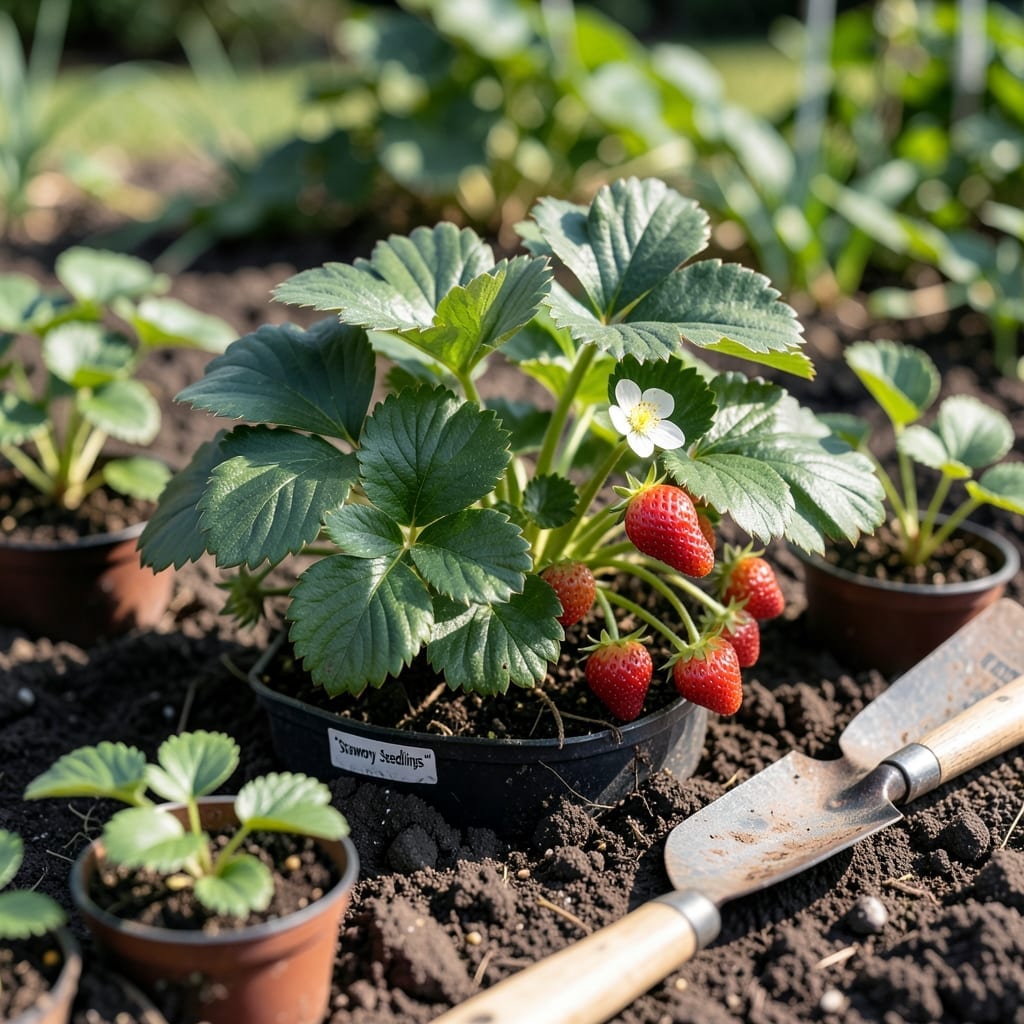
Transplanting Strawberry 🍓 seedlings at the right moment can transform your garden from frustrating to fruitful. I’ve seen firsthand how timing makes all the difference in root development and harvest quality.
In zone 6a, the sweet spot is after the last frost when soil warms to 60°F+. This gives your plants the best chance to establish strong roots before summer heat arrives.
You’ll want to watch for 3-5 true leaves on your seedlings – that’s nature’s signal they’re ready. The process becomes easier when you align with these natural development cues.
Learn how to identify the perfect window and prepare your seedlings for success. Your future self will thank you when you’re picking plump, homegrown berries come harvest time.


Timing is everything when transplanting strawberry seedlings. I’ve found the sweet spot is early spring, right after the last frost when soil temps hit 60-65°F. This gives roots time to establish before summer heat.
Another great window is early fall, about 6 weeks before the first frost. This allows seedlings to settle in before winter dormancy. Both periods avoid extreme temps that stress young plants.
| Stage | Timing | Conditions |
|---|---|---|
| Early Spring | After last frost | 60-65°F soil |
| Early Fall | 6 weeks before frost | Cool, stable temps |
| Seedling Readiness | 3-5 true leaves | Healthy root system |
Your seedlings should have 3-5 true leaves and a firm root ball before moving them. I check for white, fibrous roots peeking from the drainage holes—a sign they’re ready for more space.
In warmer zones like USDA 7-9, you can transplant a few weeks earlier. But in cooler areas (Zones 4-5), wait until mid-spring to avoid late frosts that can damage tender new growth.
I always recommend morning transplantation to reduce stress. The cooler temps and lower sun intensity help seedlings recover faster. Plus, you’ll have the whole day to monitor their adjustment.
Soil prep is just as critical as timing. I work in compost or aged manure a week before transplanting to ensure rich, well-draining soil. Strawberries hate soggy roots, so avoid heavy clay.
For container growers, the rules are similar but more flexible. You can transplant year-round if you control the environment. Just maintain 60°F+ soil temps and provide 6-8 hours of light daily.
If you’re unsure about your local frost dates, I suggest checking with your extension office or a reliable gardening almanac. They’ll give you precise windows tailored to your area.
Remember, rushed seedlings often struggle. I once transplanted too early in Zone 6 and lost half my batch to a surprise frost. Patience truly pays off with strawberries.
Finally, water deeply after transplanting and keep the soil consistently moist for the first week. This helps roots take hold in their new home and sets the stage for a productive season. 🌱
Preparing strawberry seedlings for transplanting is just as important as choosing the right time. I always start with the hardening off process, gradually exposing seedlings to outdoor conditions over 7-10 days. This prevents shock.
Begin by placing seedlings in partial shade for a few hours each day, increasing exposure to full sun and wind. Inspect roots carefully – they should be white and firm, not brown or mushy.
Watering plays a crucial role before transplanting. Keep soil consistently moist but not soggy for 2-3 days prior. This ensures the root ball stays intact when moved.
When choosing a garden spot, prioritize well-draining soil with 6-8 hours of sun. For containers, ensure they have drainage holes and are at least 8 inches deep. Strawberries hate wet feet!
Spacing matters too. Plant June-bearing types 18 inches apart, while everbearing can go 12 inches apart. This gives roots room to spread without competing.
Finally, have your transplanting tools ready: trowel, watering can, and compost. A little preparation goes a long way in ensuring your strawberries thrive in their new home 🌿