
Beautiful Plants For Your Interior
Beautiful Plants For Your Interior
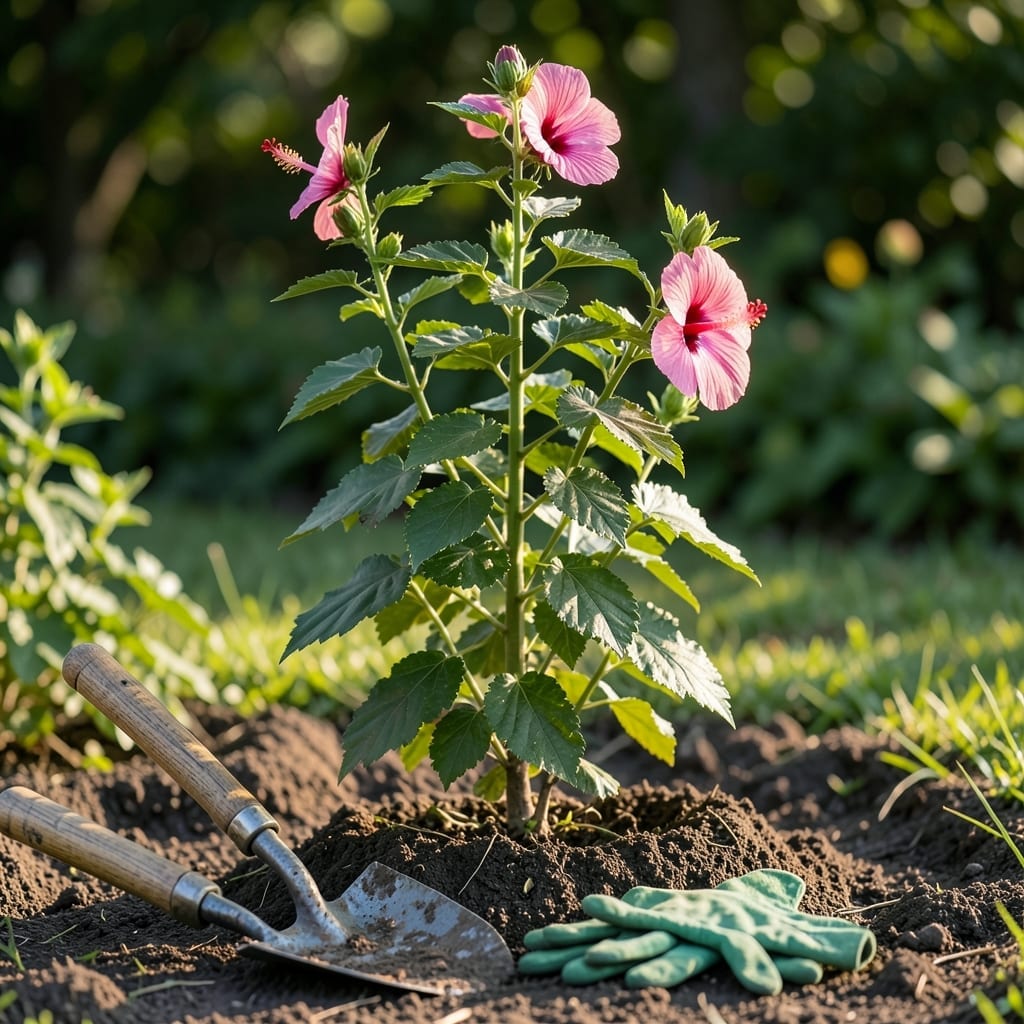
Transplanting Perennial Hibiscus 🌺 at the wrong time can set back its growth and dim those stunning blooms we all love. Timing is everything when it comes to this vibrant plant.
I’ve seen gardeners struggle when they move their hibiscus during peak summer or winter dormancy. The best windows are in spring or early fall, when the plant can recover without stress.
In zones 5-9, early spring just before new growth or early fall about 4-6 weeks before frost gives your hibiscus the ideal conditions to thrive.
Let me walk you through the signs that your Perennial Hibiscus is ready and how to make the move seamless. Your garden will thank you.


Transplanting perennial hibiscus at the right time is critical to avoid plant shock. I always recommend early spring or early fall for the best results. These seasons offer mild temperatures and stable soil conditions that help the plant adapt. 🌱
The ideal window is just before new growth appears in spring or 4-6 weeks before the first frost in fall. This timing allows the root system to establish before extreme weather hits. In my experience, this reduces stress significantly. 🌿
| Season | Best Timeframe | Soil Temp | Key Benefit |
|---|---|---|---|
| Early Spring | After last frost | 60°F+ | New growth support |
| Early Fall | 4-6 weeks before frost | 60°F+ | Root establishment |
In USDA zones 5-9, I’ve found that March to May and September to October work best. The soil temperature should be at least 60°F for optimal root growth. This warmth encourages quick recovery after the move. ☀️
Spring transplanting gives your hibiscus the entire growing season to settle in. I prefer this for younger plants. Fall transplanting is ideal for established plants as they prepare for dormancy. Both seasons avoid the heat stress of summer.
Watch for signs of readiness like new shoots in spring or yellowing leaves in fall. These indicate the plant is entering a growth phase or dormancy period, making it more resilient to transplanting. I always check for these cues before moving my hibiscus.
Avoid transplanting during peak bloom or extreme heat. The plant is focusing energy on flower production or survival, not root growth. I’ve learned this the hard way—waiting for the right moment makes all the difference.
For northern climates, aim for late April to early May. In warmer regions, you can start as early as March. The key is ensuring no frost risk and consistent warmth for at least a month after transplanting.
If you must transplant in summer, choose a cool, overcast day and provide extra water. However, I only recommend this as a last resort. The stress on the plant is much higher during this period.
Remember, proper preparation is just as important as timing. I always water deeply the day before and prune back any excessive growth. This reduces the transplant shock and helps the plant focus on root establishment. 🌺
Transplanting perennial hibiscus requires careful timing and technique to minimize shock. I always start by pruning back the plant by about one-third to reduce water loss through leaves. This also makes it easier to handle.
Next, I water deeply the plant 24 hours before moving it. This ensures the root ball stays intact during the process. The soil should be moist but not soggy.
When digging, I use a sharp spade to cut a 12-inch radius around the plant. This helps preserve as many roots as possible. The deeper the root system, the better the chances of survival.
After placing the hibiscus in its new hole, I make sure the soil level matches the original depth. Planting too deep can cause stem rot, while too shallow may expose roots.
I always mulch immediately after transplanting to retain moisture and regulate soil temperature. Organic mulch like wood chips works best for me.
Finally, I water thoroughly and continue a weekly schedule for the first month. This helps the roots establish in their new environment.
Monitor for transplant shock signs like wilting or yellowing leaves, and adjust care as needed ⛈️