
Beautiful Plants For Your Interior
Beautiful Plants For Your Interior
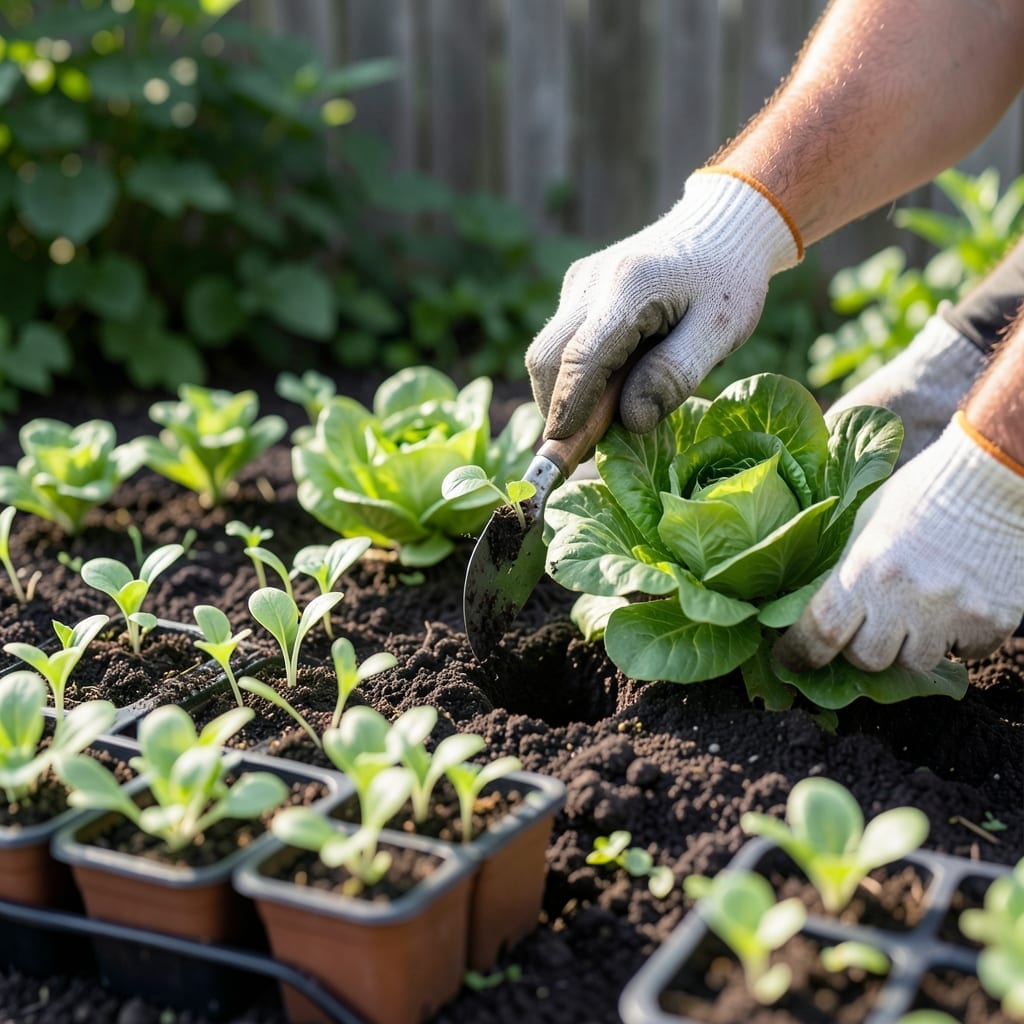
Timing is everything when it comes to giving your 🥬 Lettuce the best start. Move those seedlings too soon, and they might wilt under stress. Wait too long, and they could get root-bound in their containers.
In my experience, the sweet spot comes when they’ve developed 3-4 true leaves and the soil has warmed. This simple check prevents most early struggles.
Discover the exact conditions that signal your Lettuce is ready to thrive in its new home. It’s easier than you might think.


Knowing when to transplant lettuce seedlings starts with watching for 3-4 true leaves. These appear after the initial seed leaves, signaling the plant is strong enough for the move.
Soil temperature is just as critical. I aim for 40-50°F at depth. A simple soil thermometer gives me the confidence to proceed without guessing.
| Requirement | Specification |
|---|---|
| True leaves | 3-4 developed |
| Soil temp | 40-50°F |
| Frost date | 2-4 weeks before last frost |
| Seedling height | 2-3 inches |
| Hardening off | 7-10 days |
I always check my local frost dates. In most zones, transplanting 2-4 weeks before the last expected frost works perfectly for spring crops.
For fall planting, I count backward from the first frost date. Letting seedlings mature in cooler weather prevents bolting and extends the harvest window.
The seedling size matters too. I look for plants that are 2-3 inches tall with sturdy stems. Smaller ones often struggle to establish quickly.
Don’t forget the hardening off process. I start exposing seedlings to outdoor conditions 7-10 days before transplanting. This reduces shock significantly.
Weather forecasts are my final check. I avoid transplanting if nighttime temps will drop below 40°F or if heavy rain is expected within 48 hours.
Proper spacing is another key factor. I give each leaf lettuce plant 8-12 inches of space, while head varieties need 12-18 inches to reach full size.
After transplanting, I water gently but thoroughly. The soil should stay consistently moist for the first week to help roots settle in their new home.
With these timing cues and conditions met, my lettuce seedlings always get the strongest start possible in the garden 🌱
Moving lettuce seedlings without stress starts with hardening off. I begin this process 7-10 days before the move by placing them outdoors for a few hours each day.
Gradually increase their exposure to sunlight and wind. This helps the seedlings acclimate to their new environment and prevents transplant shock.
On transplant day, I make sure the soil is moist but not waterlogged. I carefully remove each seedling from its container, holding it by the leaves, not the stem.
The planting hole should be deep enough to cover the root ball completely. I place the seedling in the hole and fill it with soil, pressing lightly to remove air pockets.
After transplanting, I water the seedlings gently but thoroughly. This helps settle the soil and ensures good root-to-soil contact. I keep the soil consistently moist for the first week.
To protect the young plants, I use a shade cloth for the first few days. This reduces stress from direct sunlight and helps them establish more quickly.
With these steps, my lettuce seedlings transition smoothly to their new home, ready to grow strong and healthy 🌱