
Beautiful Plants For Your Interior
Beautiful Plants For Your Interior
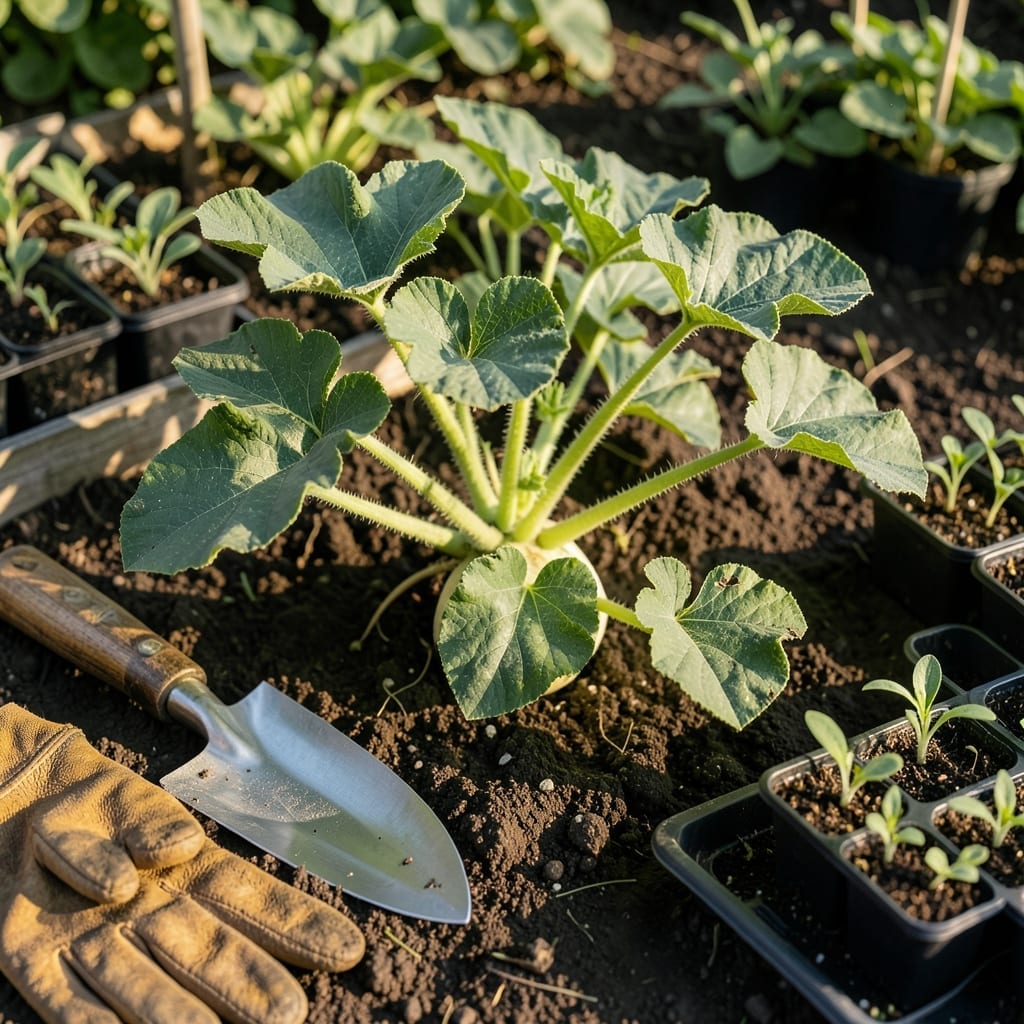
Timing your cantaloupe transplant wrong can cost you weeks of growth. Missing the right window means struggling plants and smaller harvests.
The 🍈 cantaloupe thrives when moved at the perfect moment. In zone 6, that window is narrow and crucial for success.
I’ll show you exactly when to make the move and what signs to look for. Your seedlings will thank you with vigorous growth.
Discover the simple cues that tell you your cantaloupes are ready. Let’s get your garden off to the strongest start possible.


I always check for 2-3 true leaves before considering my cantaloupe seedlings ready for the garden. Those first baby leaves don’t count – we’re looking for the mature foliage that appears after germination.
The stem thickness should be about 1/4 inch at the base, sturdy enough to support the plant. A pencil-thick stem is a great visual cue that your seedlings have developed the strength they’ll need outdoors.
| Sign | What to Look For |
|---|---|
| Leaf Count | 2-3 true leaves, dark green |
| Stem Thickness | 1/4 inch or pencil-thick |
| Root System | White, fibrous roots filling container |
| Height | 3-4 inches tall |
| Overall Health | Vibrant color, no wilting |
The root system is another critical indicator. Gently tip your seedling from its container – you should see a network of white roots holding the soil together. If the roots are circling, it’s definitely time to transplant.
I’ve found that seedlings at 3-4 inches tall with a stocky build transplant best. Leggy, stretched seedlings often struggle after transplanting, so maintain good light to prevent this.
A healthy color is non-negotiable. Your cantaloupe seedlings should have deep green leaves with no yellowing or spots. Any discoloration might indicate stress or disease that needs addressing first.
Check the root ball cohesion by gently squeezing the container. If the soil holds together when removed, your seedling has developed enough roots to handle the move to the garden.
Remember that transplant timing also depends on your climate. Even with perfect seedlings, wait until soil temps reach 70°F and all frost danger has passed in your area.
I always harden off my cantaloupe seedlings for 7-10 days before transplanting. This gradual exposure to outdoor conditions prevents shock and gives them the best start in their new home.
Lastly, transplant on a cloudy day or in the evening to reduce stress. This timing gives your cantaloupe seedlings a chance to acclimate without the immediate pressure of harsh sunlight.
With these signs in mind, you’ll know exactly when your cantaloupe seedlings are ready for their big move to the garden 🌱
Transplanting cantaloupe seedlings at the right time ensures they thrive. I always wait until soil temperatures reach at least 70°F to avoid shocking the delicate roots. Air temps should stay above 60°F at night for best results.
Your last frost date is another critical factor. Since cantaloupes are warm-season crops, I never transplant until at least 2 weeks after the final frost. This prevents cold damage to tender seedlings.
I check the soil moisture before moving seedlings. The bed should be evenly moist but not waterlogged to help roots establish quickly. A drip irrigation system works best for consistent moisture without wetting foliage.
If you’re unsure about soil temperature, I recommend using a soil thermometer. Insert it 4 inches deep in the morning for the most accurate reading. This simple tool can save your crop from a cold start.
Remember that cantaloupe plants need full sun to produce sweet fruit. I always choose the sunnest spot in my garden and prepare the bed with compost for nutrient-rich soil.
Finally, I transplant on a cloudy day or in the late afternoon to reduce stress. This gives the seedlings time to adjust before facing intense midday sun. A little shade cloth can help during the first few days if needed.
With these conditions met, your cantaloupe seedlings will establish quickly and grow vigorously.